
What is in a Biodiversity Net Gain Assessment?
Image: photograph of biodiversity surveyor. Biodiversity Net Gain Survey Introduction Biodiversity Net Gain (BNG) is a legal necessity in today’s planning world and it became a part of planning law


Image: photograph of biodiversity surveyor. Biodiversity Net Gain Survey Introduction Biodiversity Net Gain (BNG) is a legal necessity in today’s planning world and it became a part of planning law

Image: surveyor sitting and making notes on notepad. 1. DEFRA’s commitment to the natural environment DEFRA says it continues to prioritize on-site delivery and, in so doing, misses an opportunity

Biodiversity Net Gain is a phrase we are likely to hear with increasing frequency due to its introduction as a requirement in the 2021 Environment Act. Now, all new development

Image: female surveyor writing on notepad in field The biodiversity net gain (BNG) policy, which was created under the Environment Act of 2021, has been implemented. Biodiversity net gain (BNG)
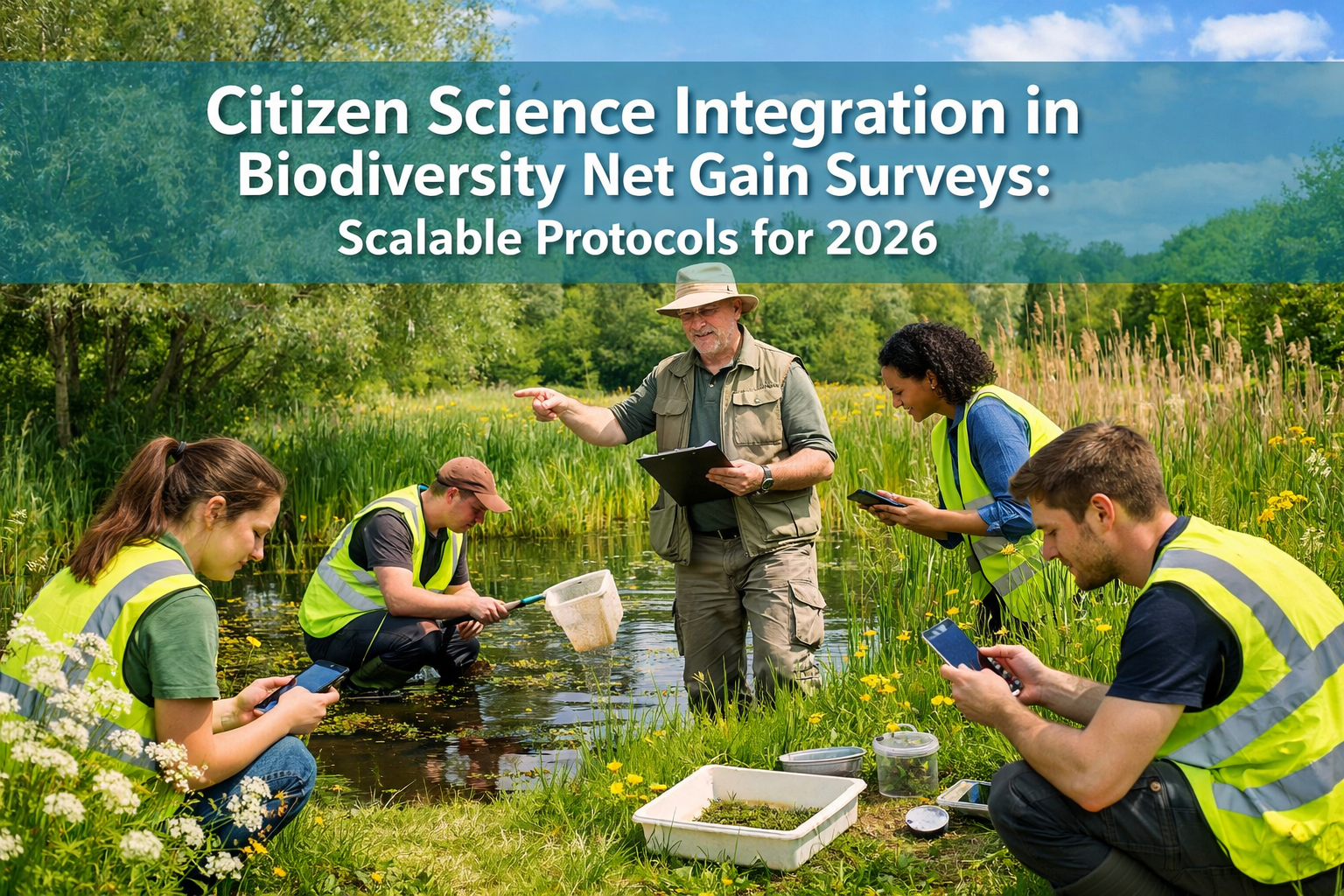
Nearly 100,000 priority ponds across the UK remain unrecorded—a staggering biodiversity data gap that professional ecologists alone cannot close. Yet in just two years, community volunteers have identified over 250 new priority ponds through structured citizen science programs, demonstrating that Citizen Science Integration in Biodiversity Net Gain Surveys: Scalable Protocols…
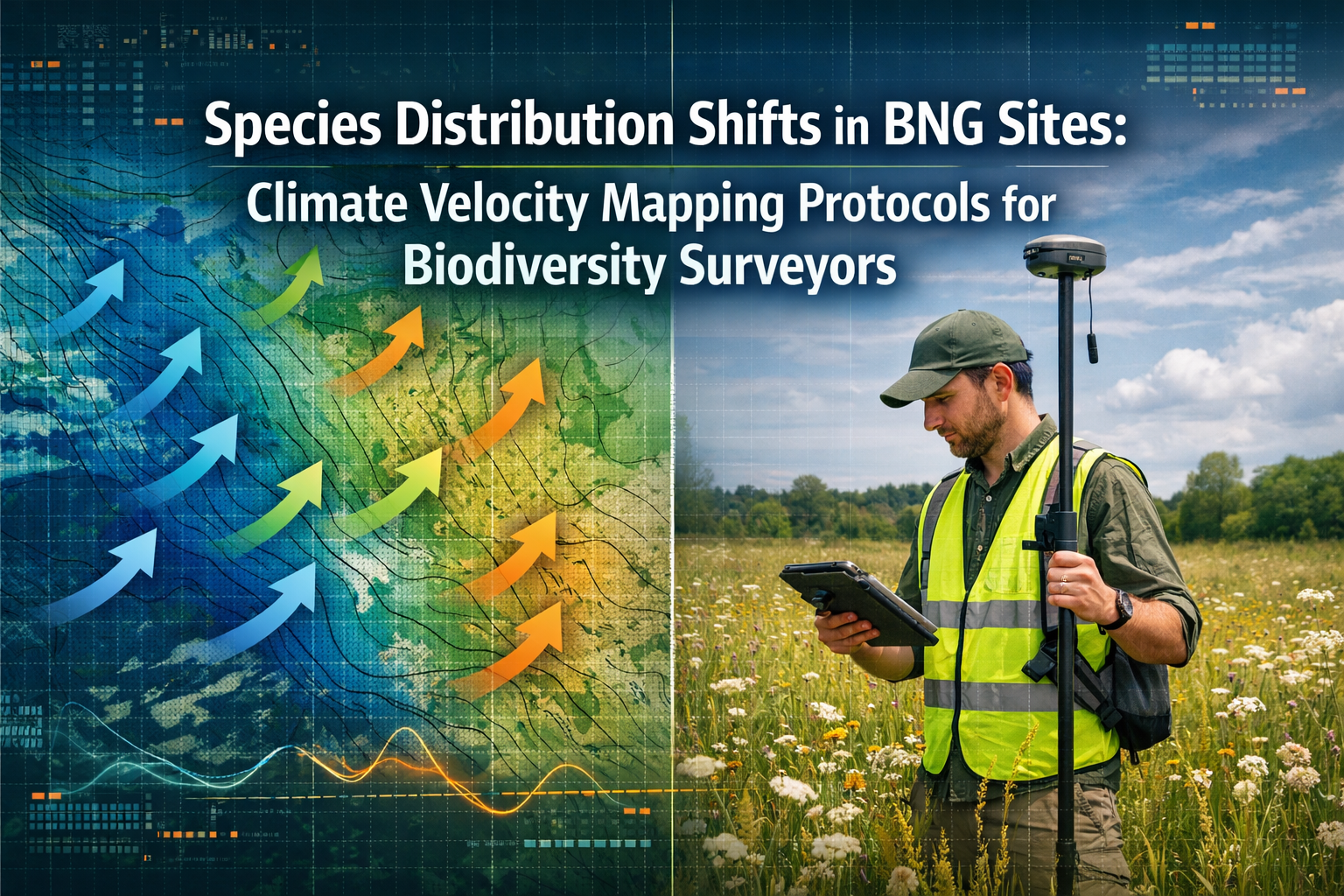
Recent research reveals that observed species range shifts occur at rates approximately four times faster than climate niche models predicted—a finding that fundamentally challenges how biodiversity surveyors approach Biodiversity Net Gain (BNG) site management in 2026. When static baseline assessments meet dynamic ecological reality, the question becomes: how can professionals…
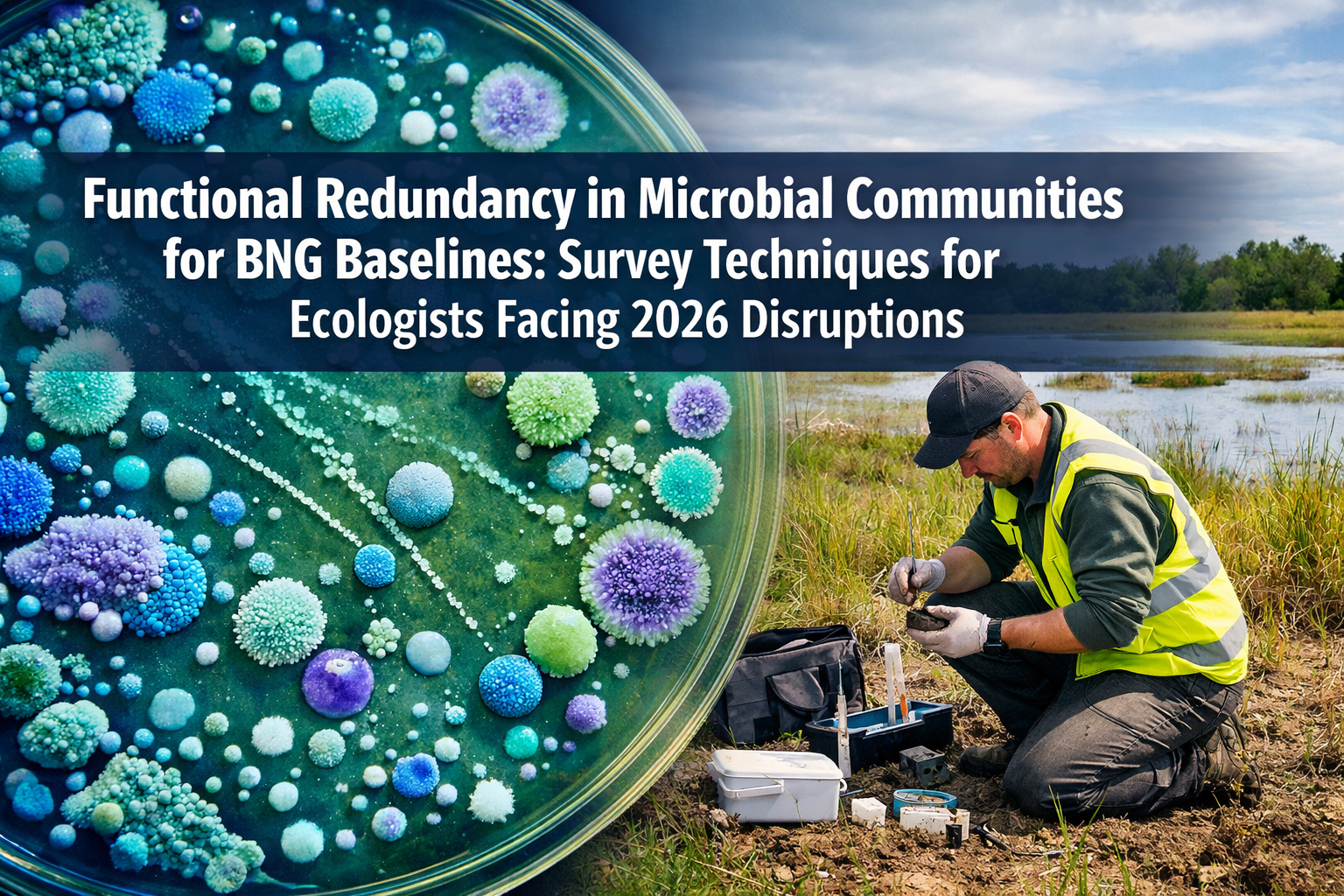
Microbiomes in major estuarine systems demonstrate metabolic flexibility across more than 50 different energy pathways—yet this hidden functional insurance policy remains largely unmeasured in Biodiversity Net Gain (BNG) assessments[3]. As development projects accelerate across England in 2026, ecologists face mounting pressure to establish robust ecological baselines that account for invisible…
Permafrost thaw is rewriting the biodiversity baseline across alpine regions at an unprecedented pace. Recent research reveals that over 2,000 treeline species records from 39 mountain regions now document systematic upslope migration, while ground-penetrating radar surveys detect active layer deepening that fundamentally alters habitat structure [1]. For developers and land…
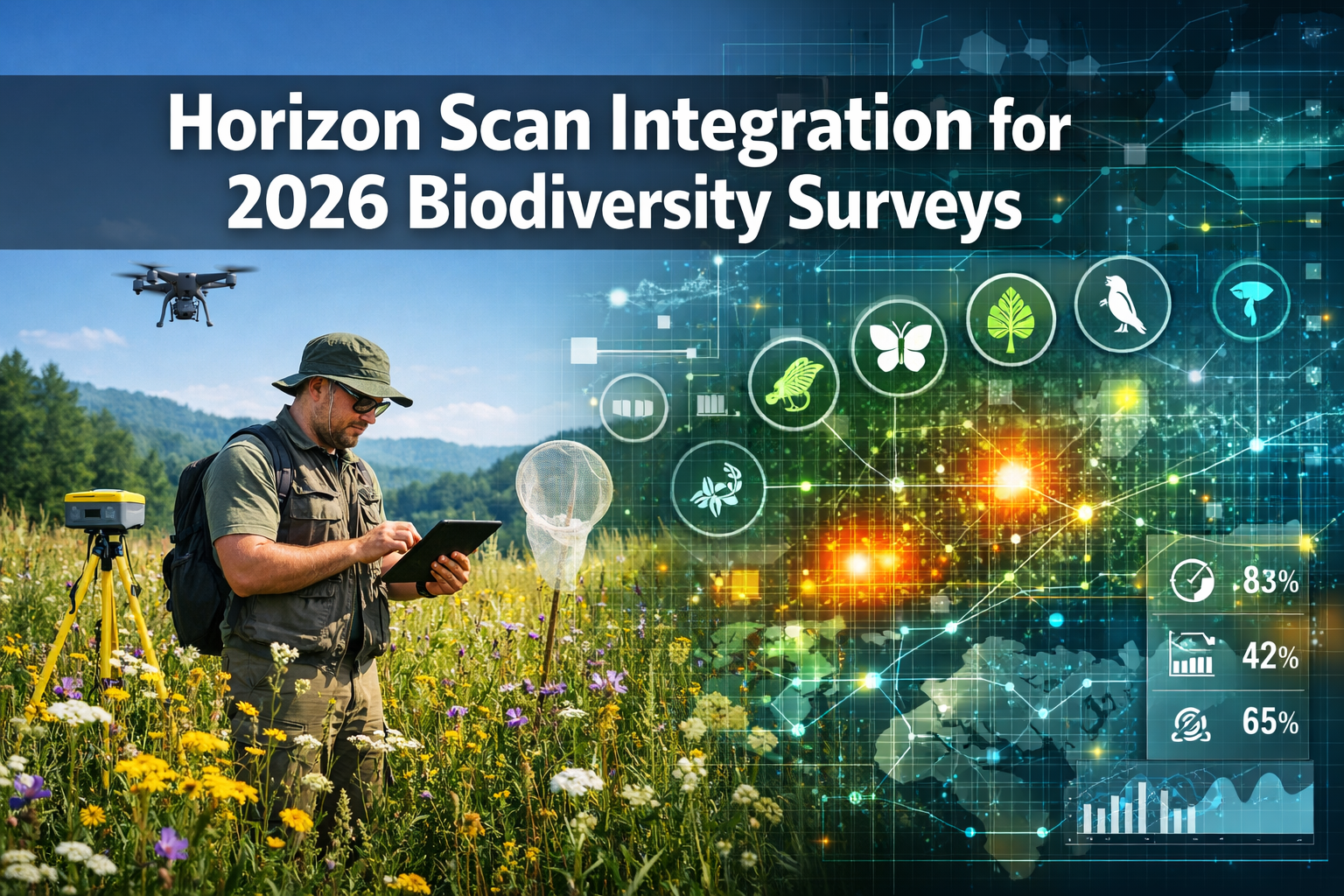
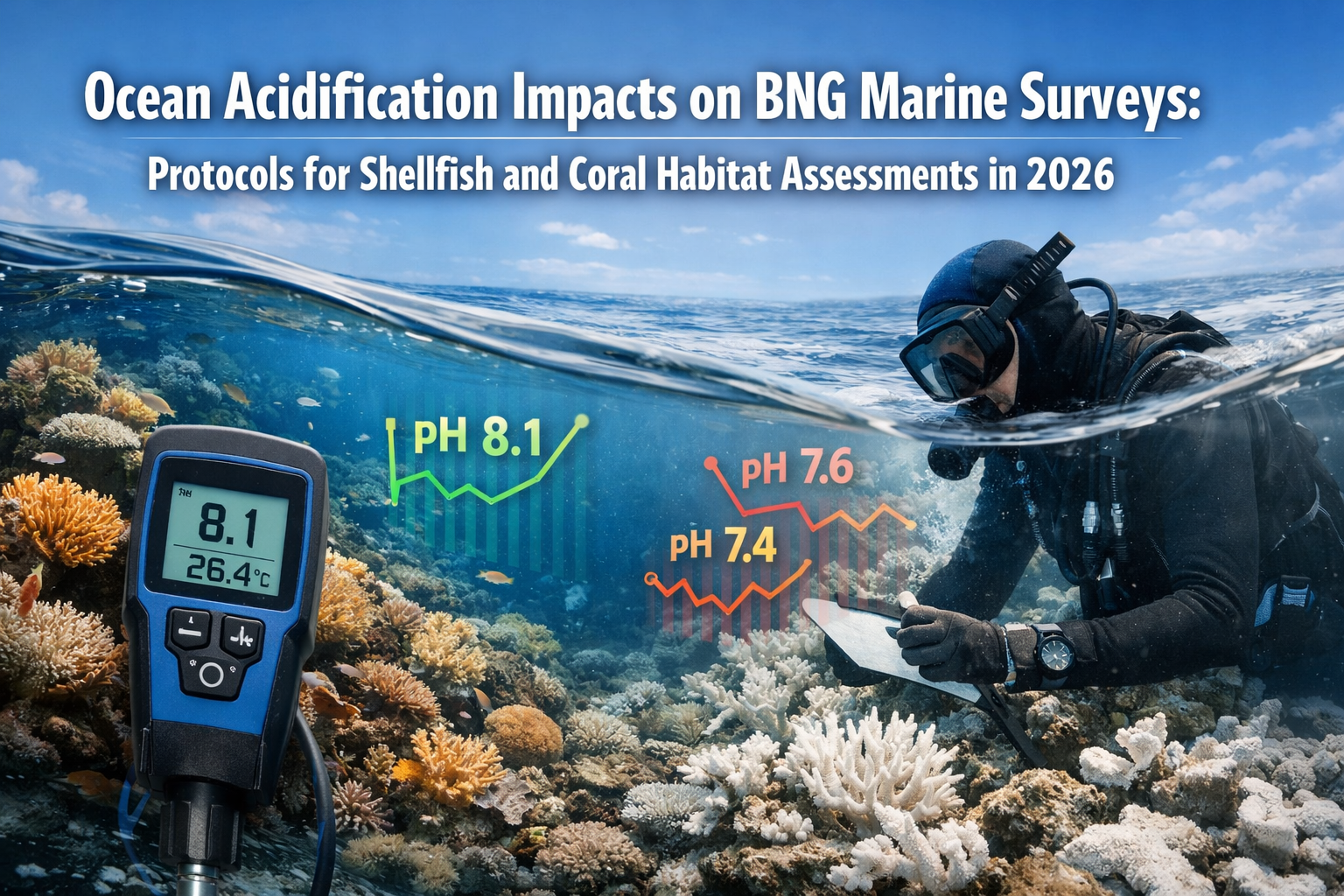
Ocean acidity has increased 26% over the past 250 years, with pH dropping from a global average of 8.2 to 8.1[1]. This seemingly minor shift represents a chemical transformation occurring at approximately 10 times faster than any point in the last 300 million years[2]. For marine surveyors conducting Biodiversity Net…
Recent regulatory changes have accelerated deep-sea mining operations at an alarming rate. NOAA's January 2026 rule cut environmental assessment timelines in half, while The Metals Company immediately doubled its extraction request to cover 65,000 square kilometers of the Pacific seabed[1]. For surveyors monitoring coastal Biodiversity Net Gain (BNG) sites, this…
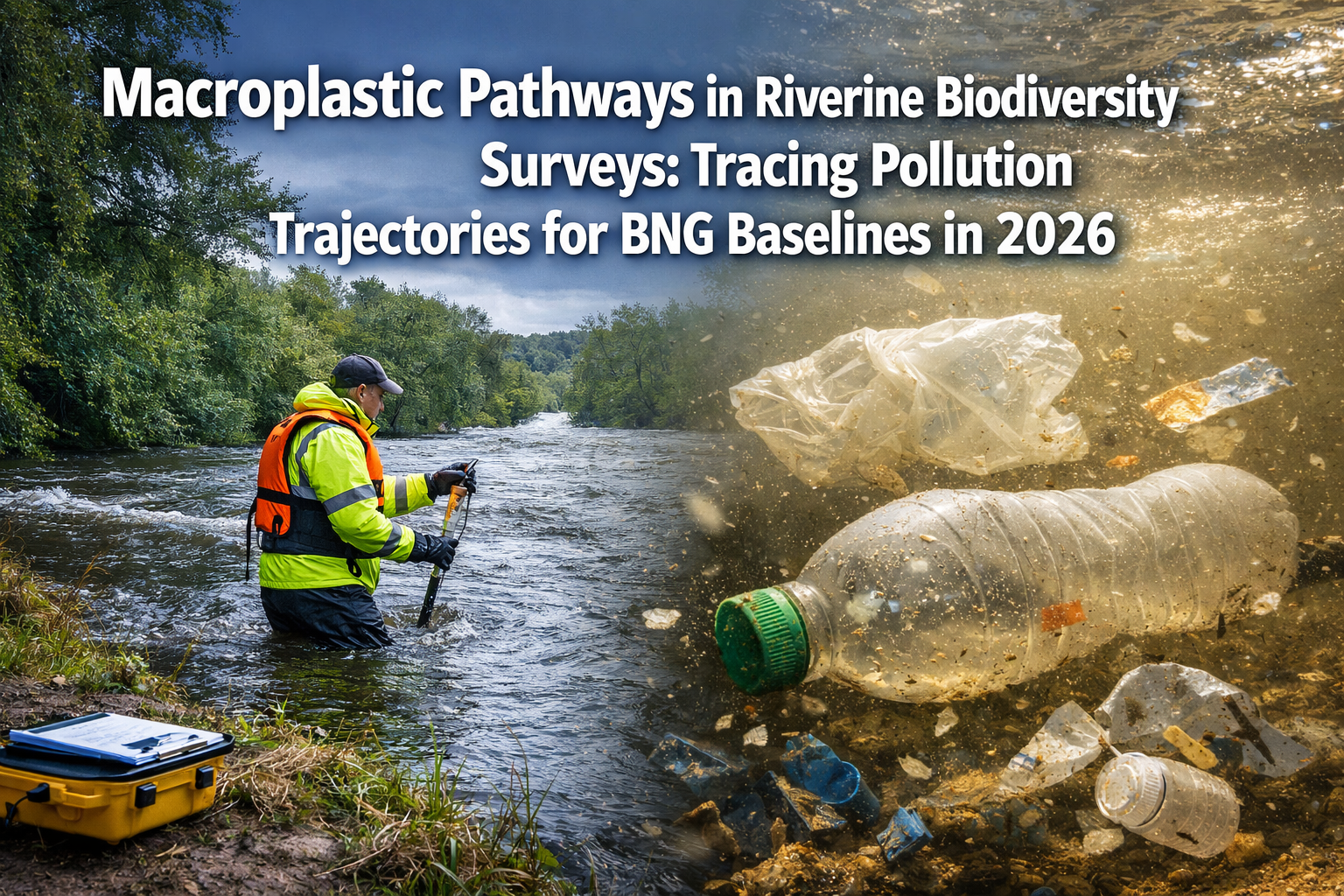
Recent research reveals that 90% of annual mesoplastic load in rivers is transported in just 43 days [3]. This extreme temporal concentration fundamentally changes how biodiversity surveyors must approach baseline assessments for Biodiversity Net Gain (BNG) compliance in 2026. When macroplastic debris surges through river systems during flood events, it…
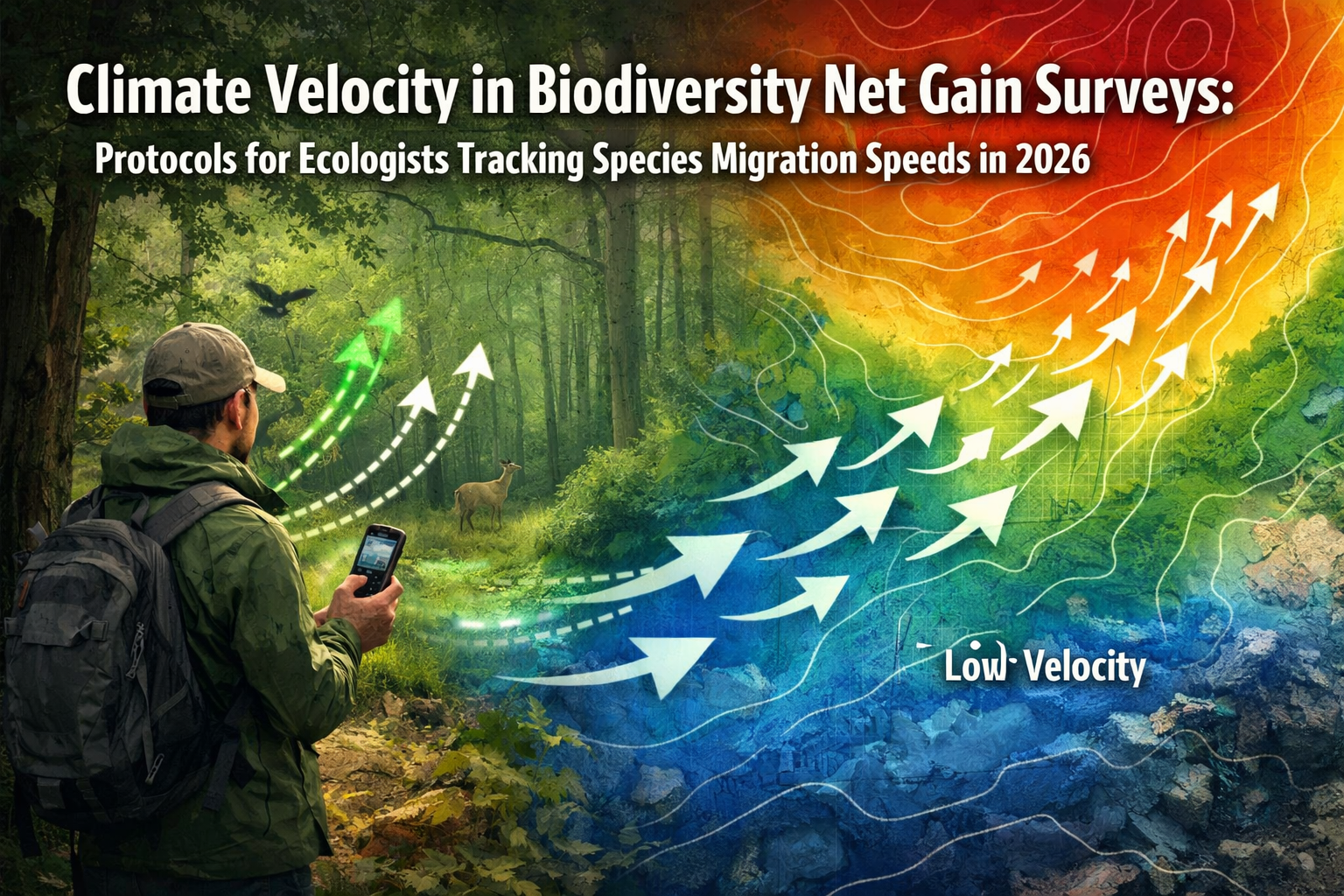
} Species are moving three times faster than predicted just five years ago. As climate zones shift at unprecedented rates, ecologists conducting Biodiversity Net Gain (BNG) surveys face a critical challenge: how do you calculate accurate biodiversity baselines when the species you're counting today might relocate tomorrow? Climate Velocity in…
Tropical flowering phenology has shifted by an average of 2.04 days per decade over the past two centuries, with some species accelerating by more than 14 days per decade.[5] As climate-driven changes reshape the timing of natural events across ecosystems worldwide, ecologists face an unprecedented challenge: traditional snapshot surveys designed…
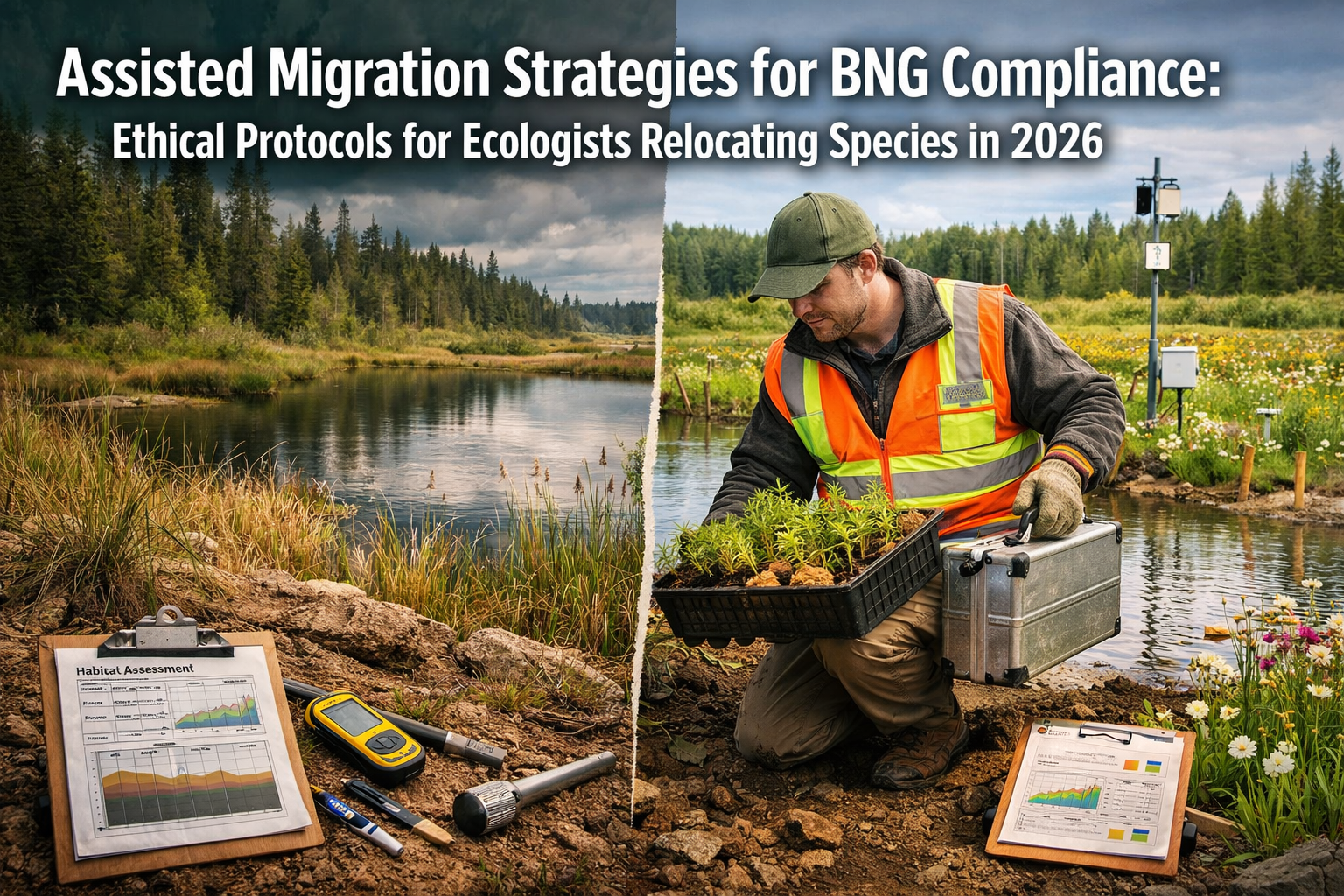
Climate change is outpacing natural species migration by a factor of 10 to 100 times in many ecosystems, creating an urgent conservation crisis that traditional habitat protection alone cannot solve. As Biodiversity Net Gain (BNG) requirements expand across major infrastructure projects in 2026, ecologists face a challenging question: when habitats…
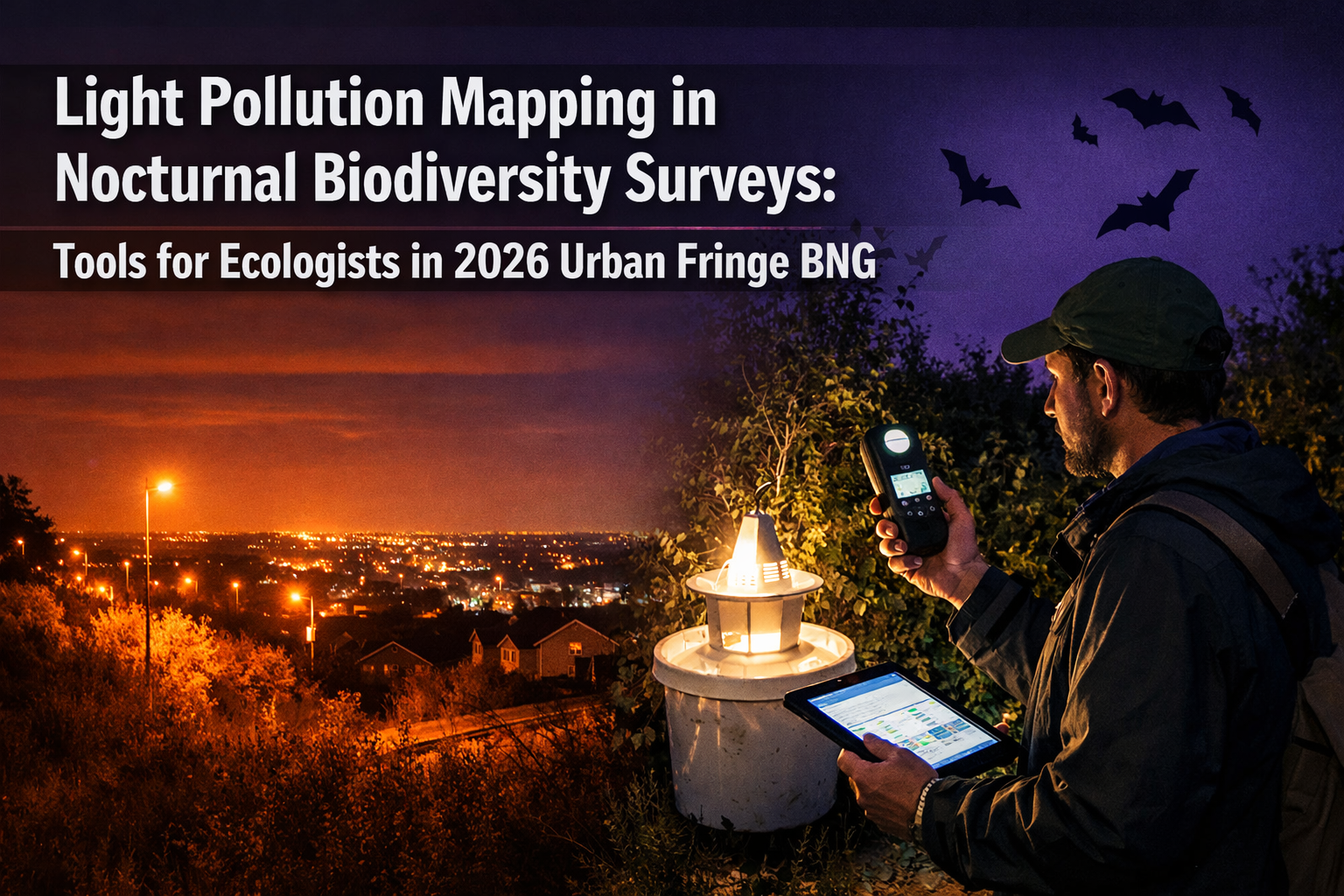
Groundbreaking research published in February 2026 has overturned decades of conservation practice: artificial light at twilight—not midnight—inflicts the greatest harm on nocturnal wildlife, yet current mitigation strategies focus on the wrong hours entirely[3]. This revelation arrives precisely as ecologists face mounting pressure to deliver accurate Biodiversity Net Gain (BNG) baselines…
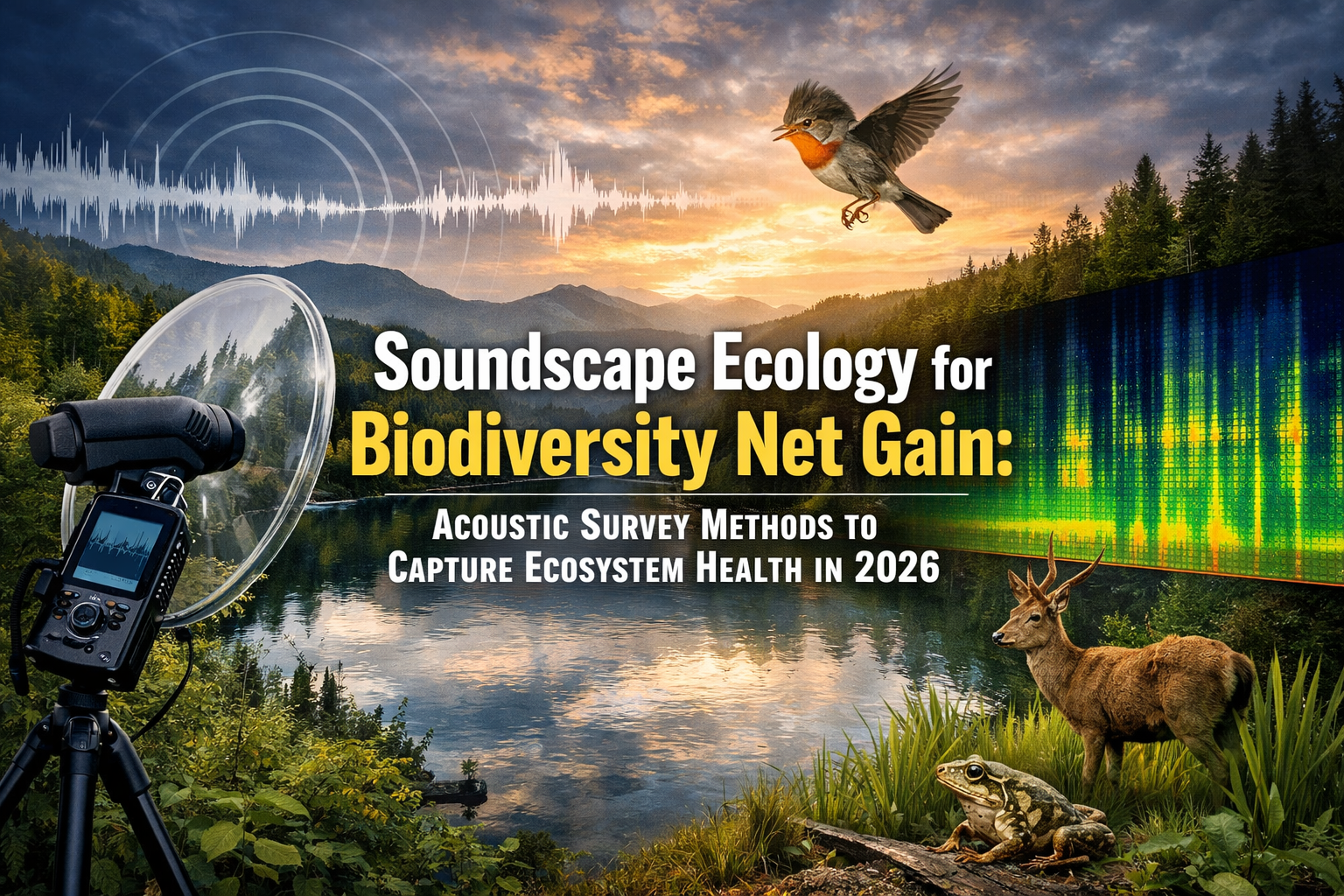
{"cover":"Professional landscape format (1536×1024) hero image with bold text overlay 'Soundscape Ecology for Biodiversity Net Gain: Acoustic Survey Methods to Capture Ecosystem Health in 2026' in extra large 72pt white sans-serif font with dark shadow effect, positioned in upper third with perfect alignment. Background shows split composition: left side features…
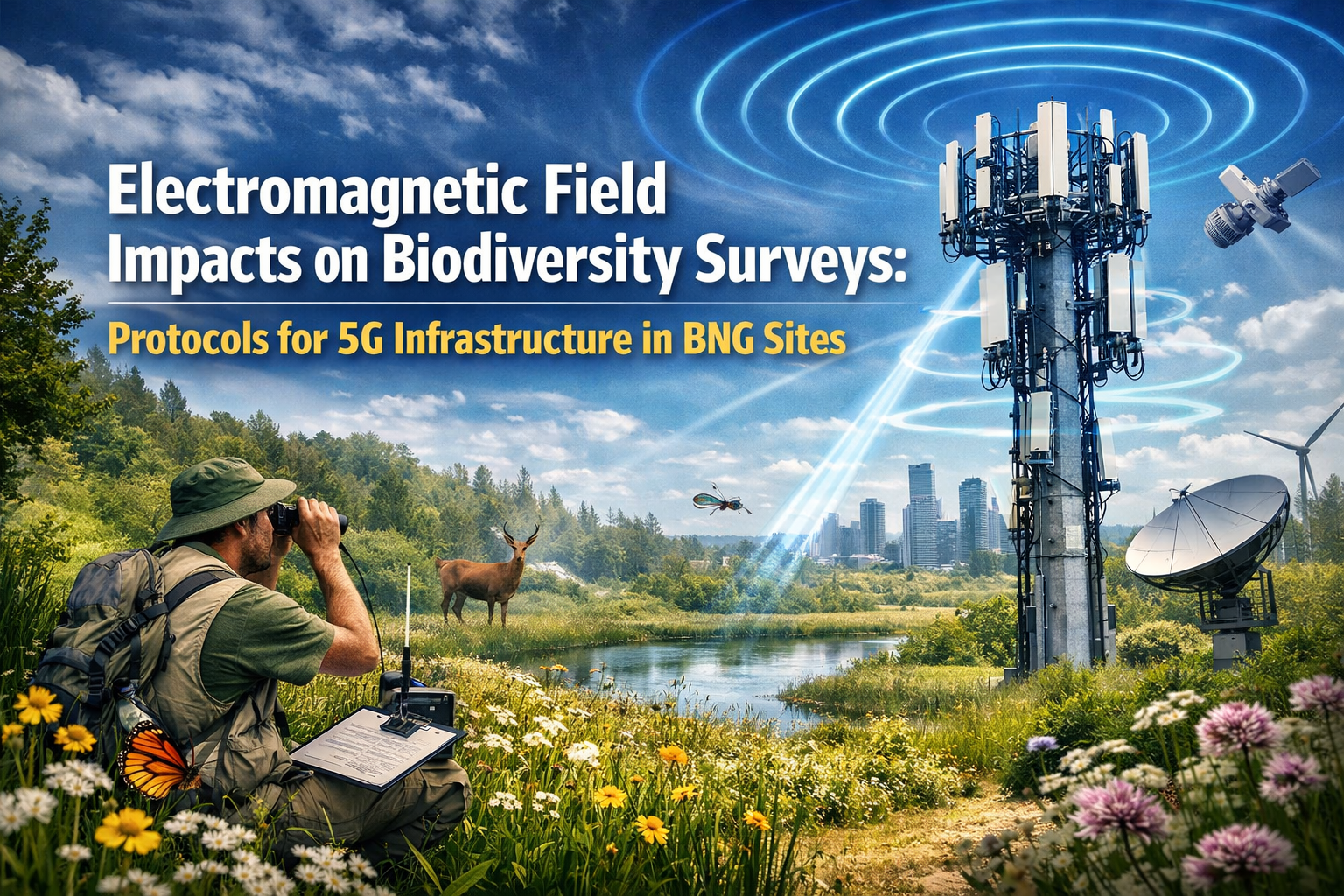
{"cover":"Professional landscape format (1536×1024) hero image with bold text overlay 'Electromagnetic Field Impacts on Biodiversity Surveys: Protocols for 5G Infrastructure in BNG Sites' in extra large 70pt white sans-serif font with dark shadow and semi-transparent overlay box, positioned center-upper third. Background shows dramatic split composition: left side features modern 5G…
Estrogens from contraceptive pills are feminizing male fish in English rivers right now, reducing their breeding capacity and threatening population stability in protected waterways [3]. This stark reality represents just one dimension of pharmaceutical pollution's impact on aquatic biodiversity—a challenge that has escalated dramatically as of 2026, with contaminants now…
High-rise developments in England now face a biodiversity challenge that traditional ground-level surveys cannot solve. With over 68% of urban land already developed and vertical expansion accelerating across major cities in 2026, ecologists must adapt their survey methodologies to measure biodiversity gains on building facades—not just at ground level. Vertical…
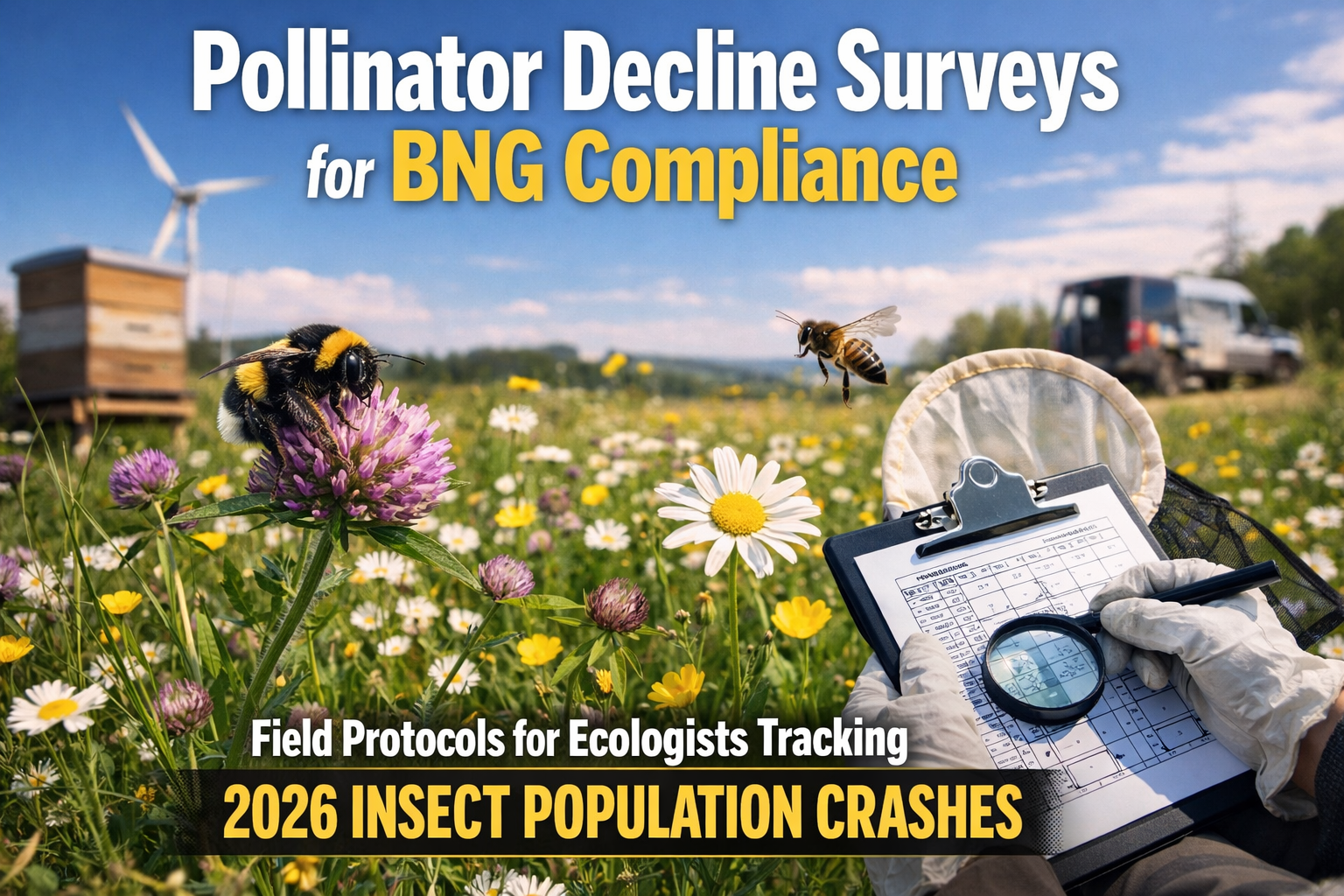
{"cover":"Professional landscape format (1536×1024) hero image with bold text overlay 'Pollinator Decline Surveys for BNG Compliance: Field Protocols for Ecologists Tracking 2026 Insect Population Crashes' in extra large 70pt white sans-serif font with dark shadow effect, positioned in upper third center. Background shows ecologist in high-visibility vest kneeling in wildflower…
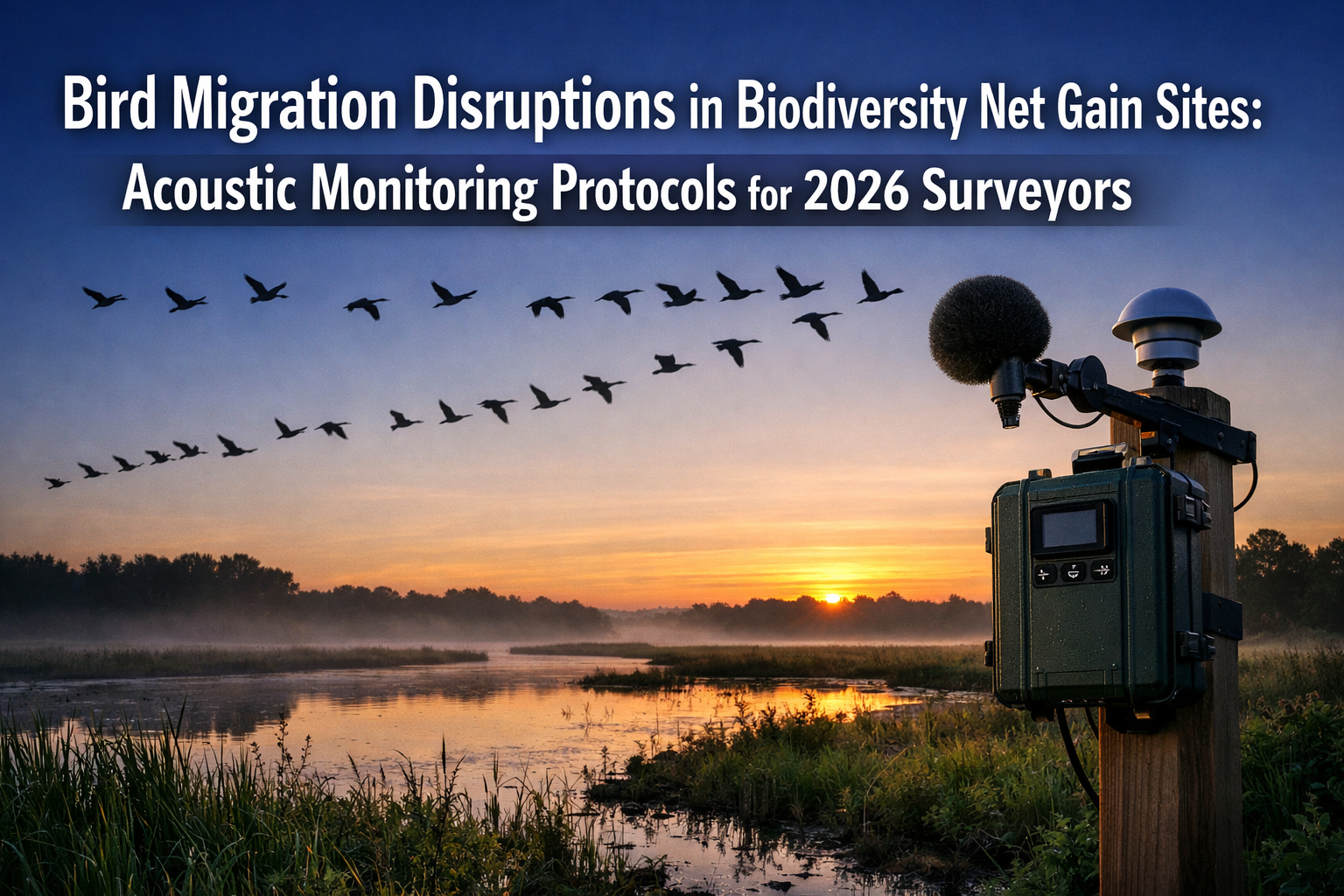
Nearly half of the world's migratory bird species are now in decline, with populations falling faster than surveyors can update baseline assessments. As climate patterns shift migration timing by several days each year, traditional survey methods—limited to specific dates and daylight hours—are missing critical data that could determine whether Biodiversity…
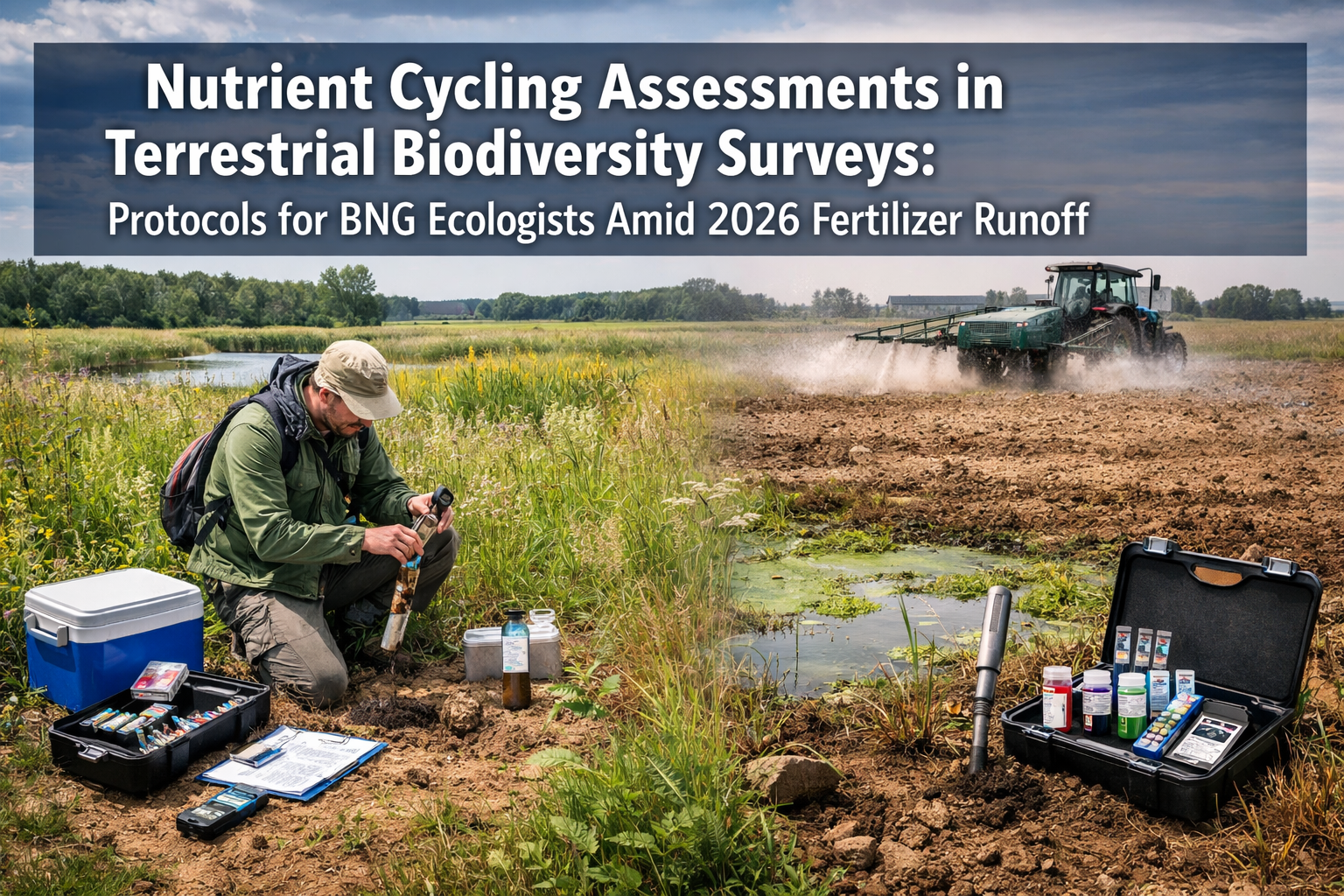
Agricultural fertilizer applications have increased nitrogen and phosphorus loads in UK watersheds by 40% over the past decade, fundamentally altering baseline biogeochemical cycling patterns in terrestrial ecosystems[4]. As Biodiversity Net Gain (BNG) requirements become mandatory across England in 2026, ecologists face a critical challenge: how to accurately assess nutrient cycling…
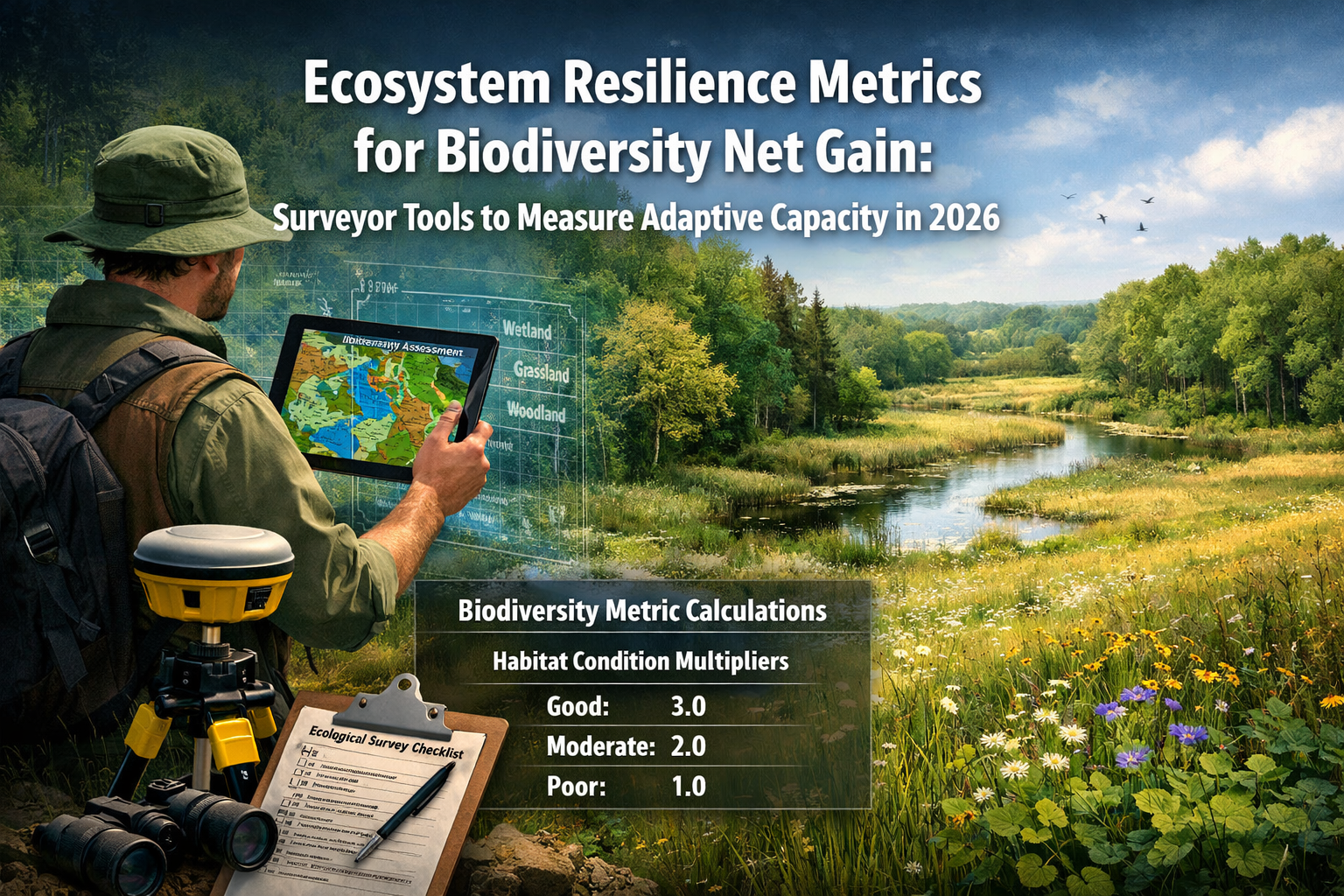
Recent research from the Smithsonian Institution reveals that ecosystem resilience fundamentally depends on land-sea interactions, a finding that transforms how ecologists approach Biodiversity Net Gain (BNG) assessments. As development projects across the UK navigate increasingly complex environmental requirements, surveyors now integrate functional diversity indices to score site adaptability—moving beyond simple…
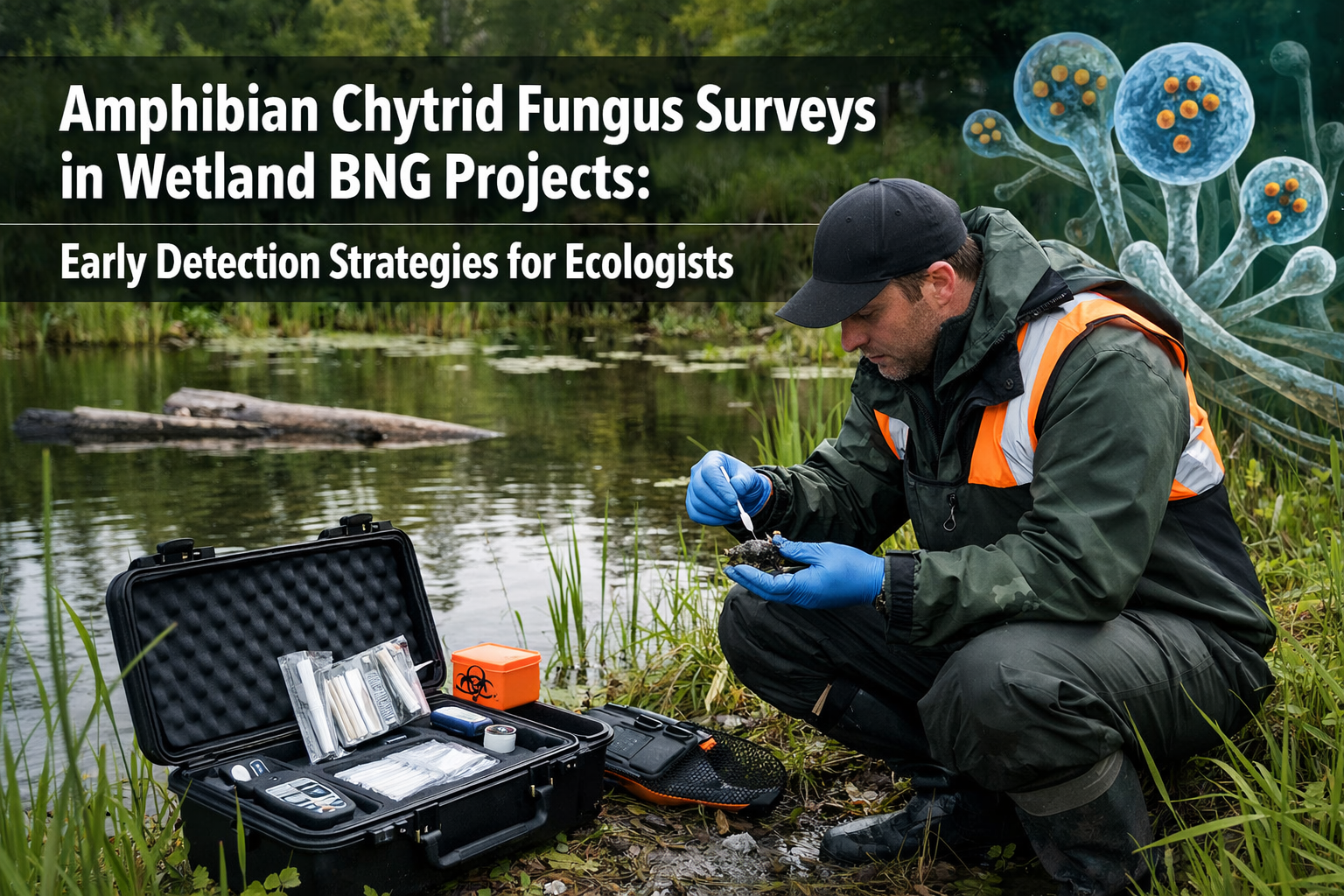
Chytrid fungus has driven 90 species of amphibians to extinction and threatens hundreds more worldwide—making it the most devastating wildlife disease ever recorded. As Biodiversity Net Gain (BNG) legislation mandates wetland creation and enhancement across England in 2026, ecologists face a critical challenge: establishing baseline amphibian populations without introducing or…
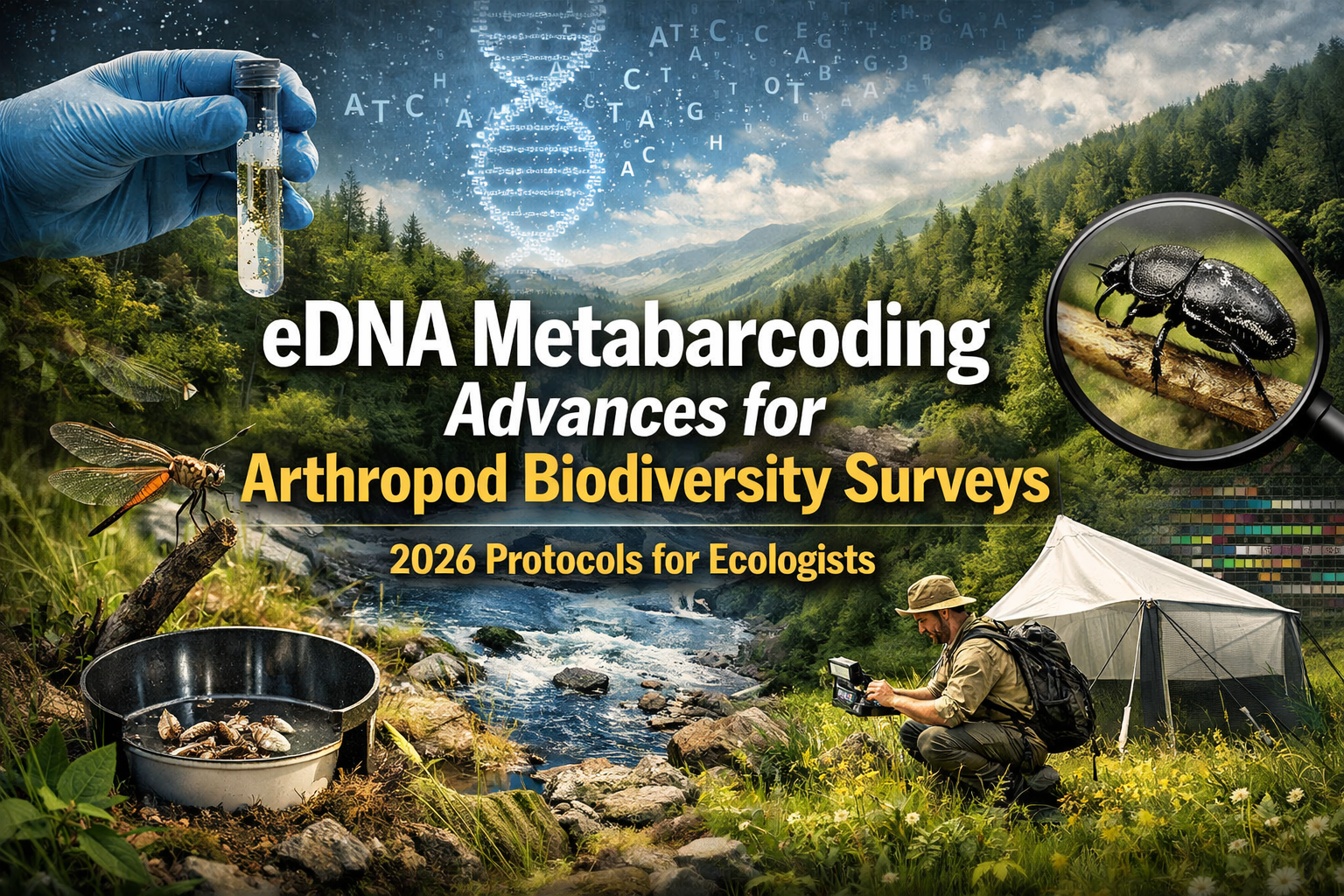
} Arthropod populations have declined by more than 75% in some protected areas over the past three decades, yet traditional survey methods still miss up to 60% of species present in terrestrial habitats. As ecologists face mounting pressure to establish accurate biodiversity baselines for conservation planning and regulatory compliance, environmental…
Field surveys at the Knepp Estate revealed a startling truth: rewilded land contains approximately twice the biodiversity richness of conventional arable farmland, with 33% more pollinator species and 25% more beneficial fungus species. As the UK's mandatory 10% Biodiversity Net Gain (BNG) requirement enters its third year of enforcement in…
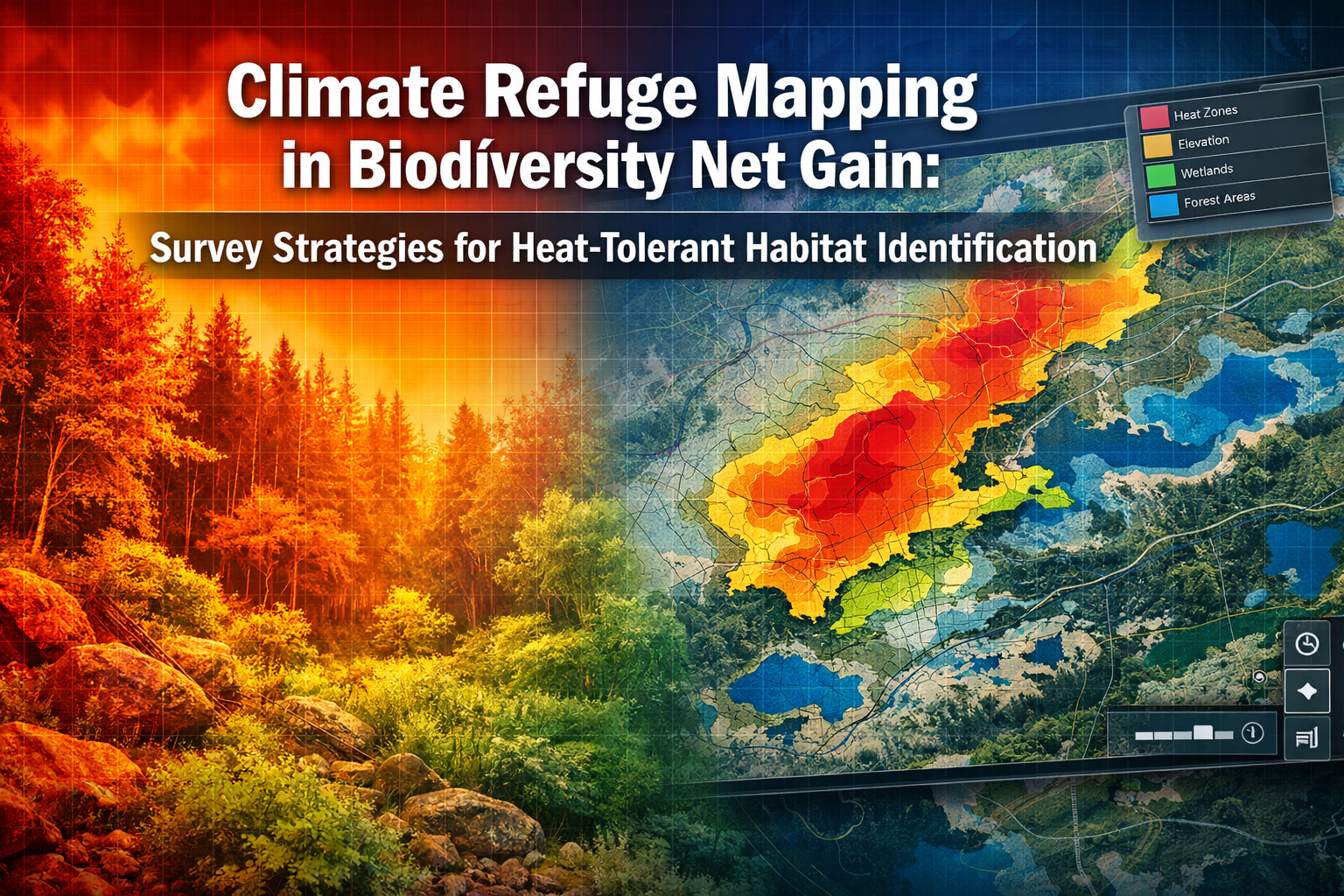
Recent research reveals a stark reality: approximately 13% of globally important biodiversity-rich land overlaps with areas designated for carbon dioxide removal projects, creating unprecedented conflicts between climate mitigation and habitat preservation [1]. As temperatures continue rising in 2026, identifying climate refugia—those critical pockets where species can persist despite warming—has become…
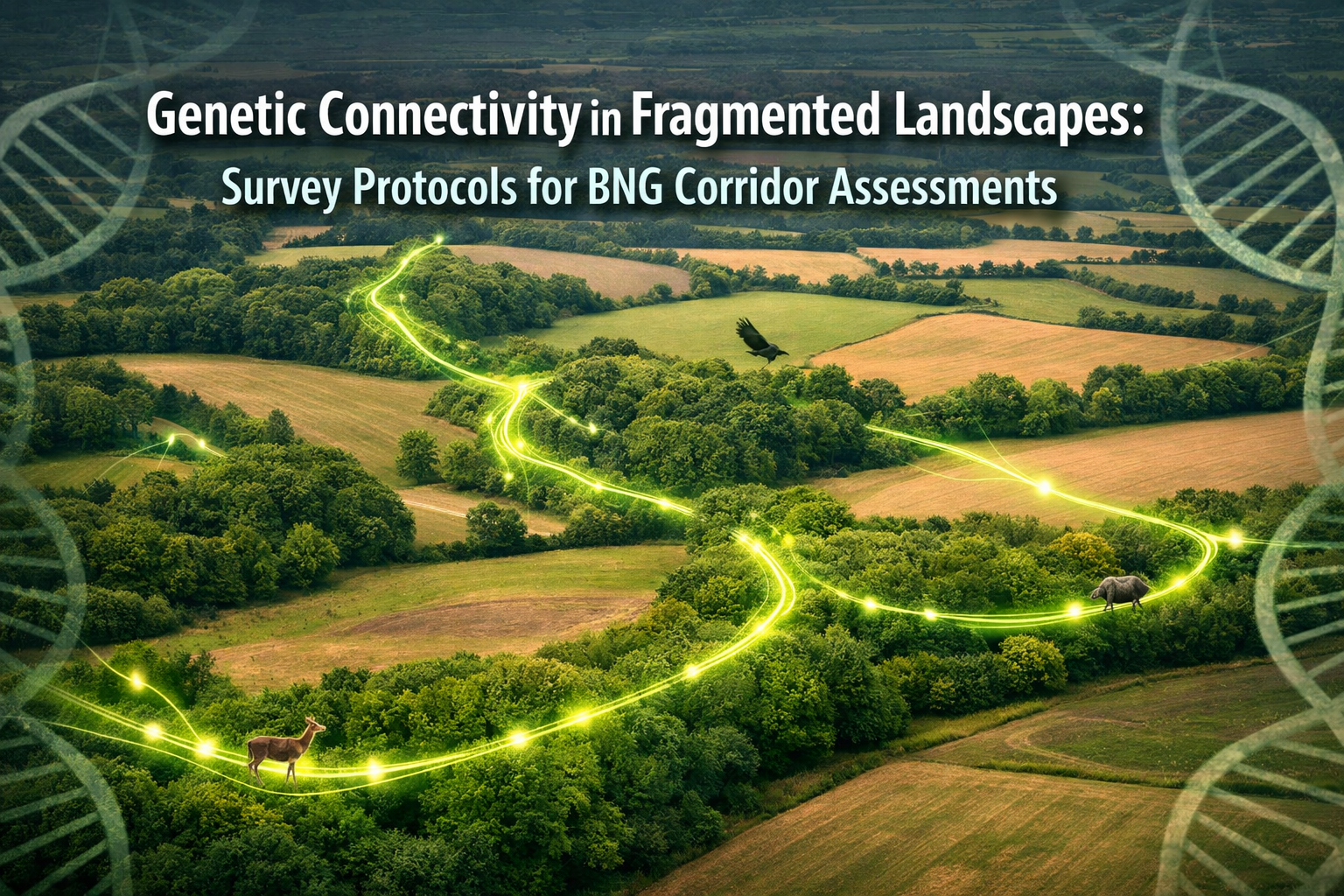
Landscape fragmentation now affects over 70% of remaining forests worldwide, creating isolated habitat patches that threaten long-term population viability for countless species. As urbanization accelerates across England in 2026, Genetic Connectivity in Fragmented Landscapes: Survey Protocols for BNG Corridor Assessments have emerged as essential tools for ecologists designing wildlife corridors…
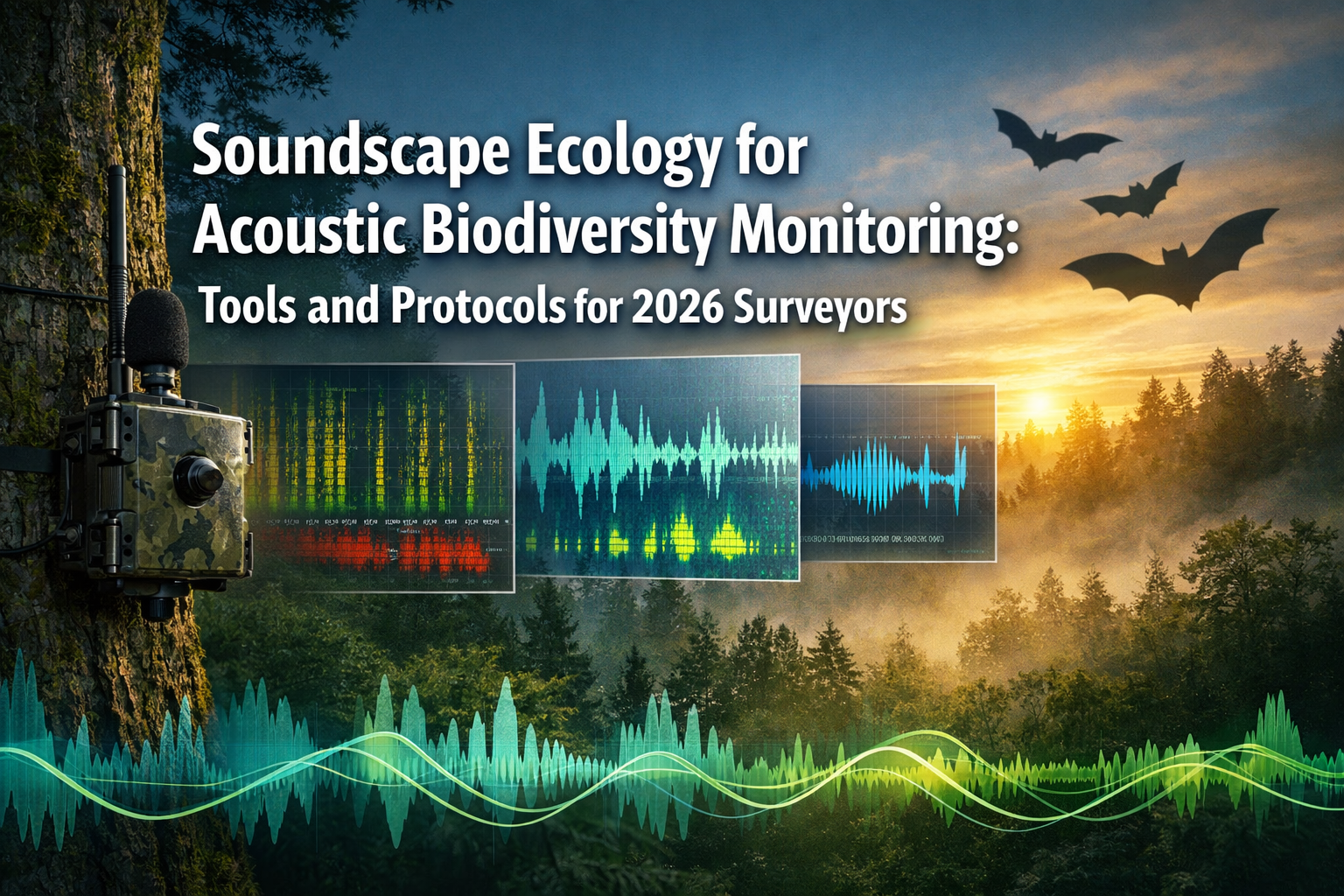
A single bat species can emit over 200 echolocation calls per minute while hunting—yet traditional visual surveys miss 90% of nocturnal wildlife activity. This gap between what exists in nature and what surveyors document has driven the rapid adoption of Soundscape Ecology for Acoustic Biodiversity Monitoring: Tools and Protocols for…
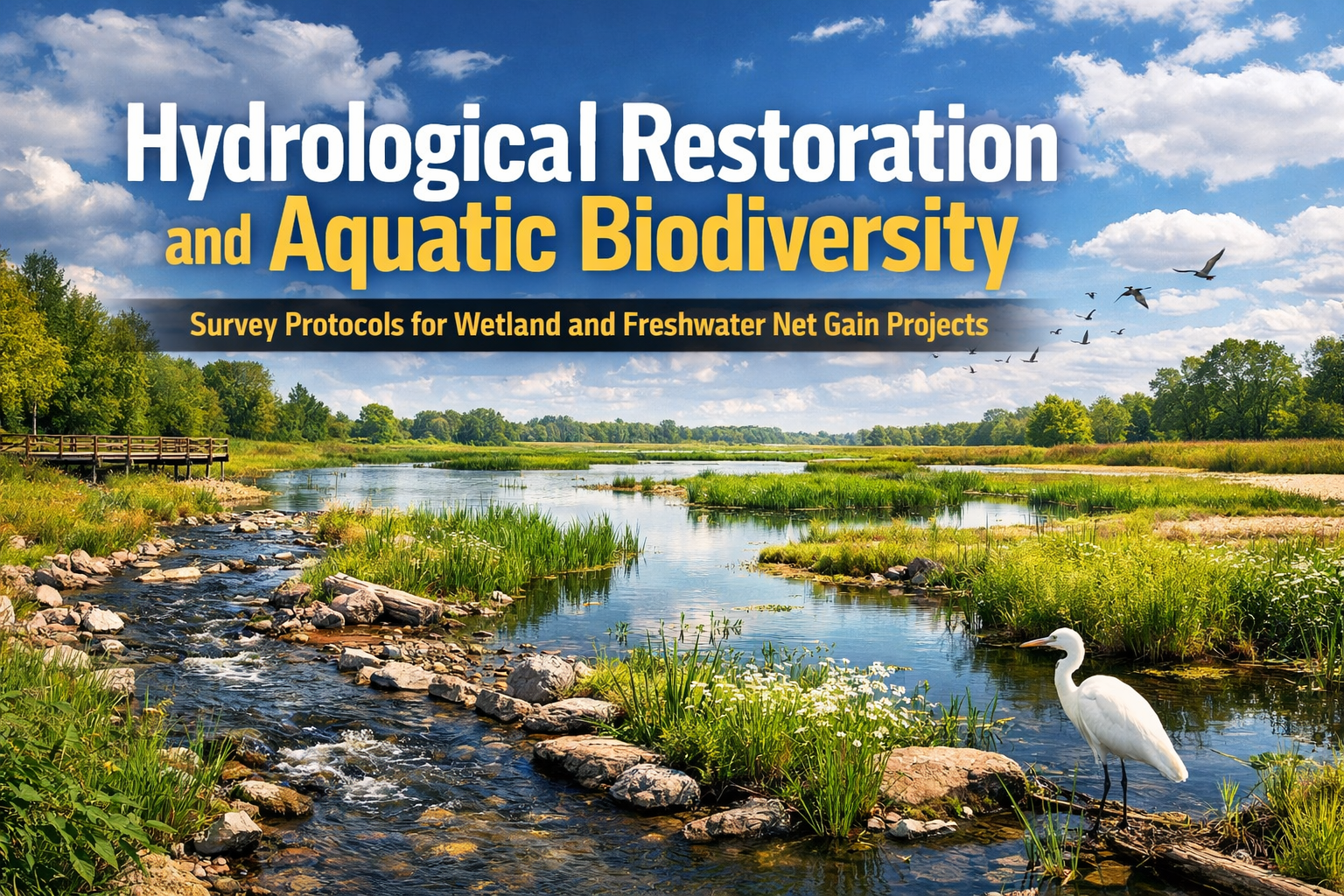
{"cover":"Professional landscape format (1536×1024) hero image with bold text overlay 'Hydrological Restoration and Aquatic Biodiversity: Survey Protocols for Wetland and Freshwater Net Gain Projects' in extra large 72pt white sans-serif font with dark blue shadow and semi-transparent overlay box, positioned in upper third. Background shows pristine restored wetland ecosystem with…
Between 28-61% of global crop systems currently experience yield limitations due to insufficient pollinator visitation[1]. This staggering statistic reveals a critical vulnerability in our food production systems—one that agricultural lands are uniquely positioned to address. The intersection of Pollinator Decline and Crop Dependency: Survey Strategies for Agricultural Biodiversity Net Gain…
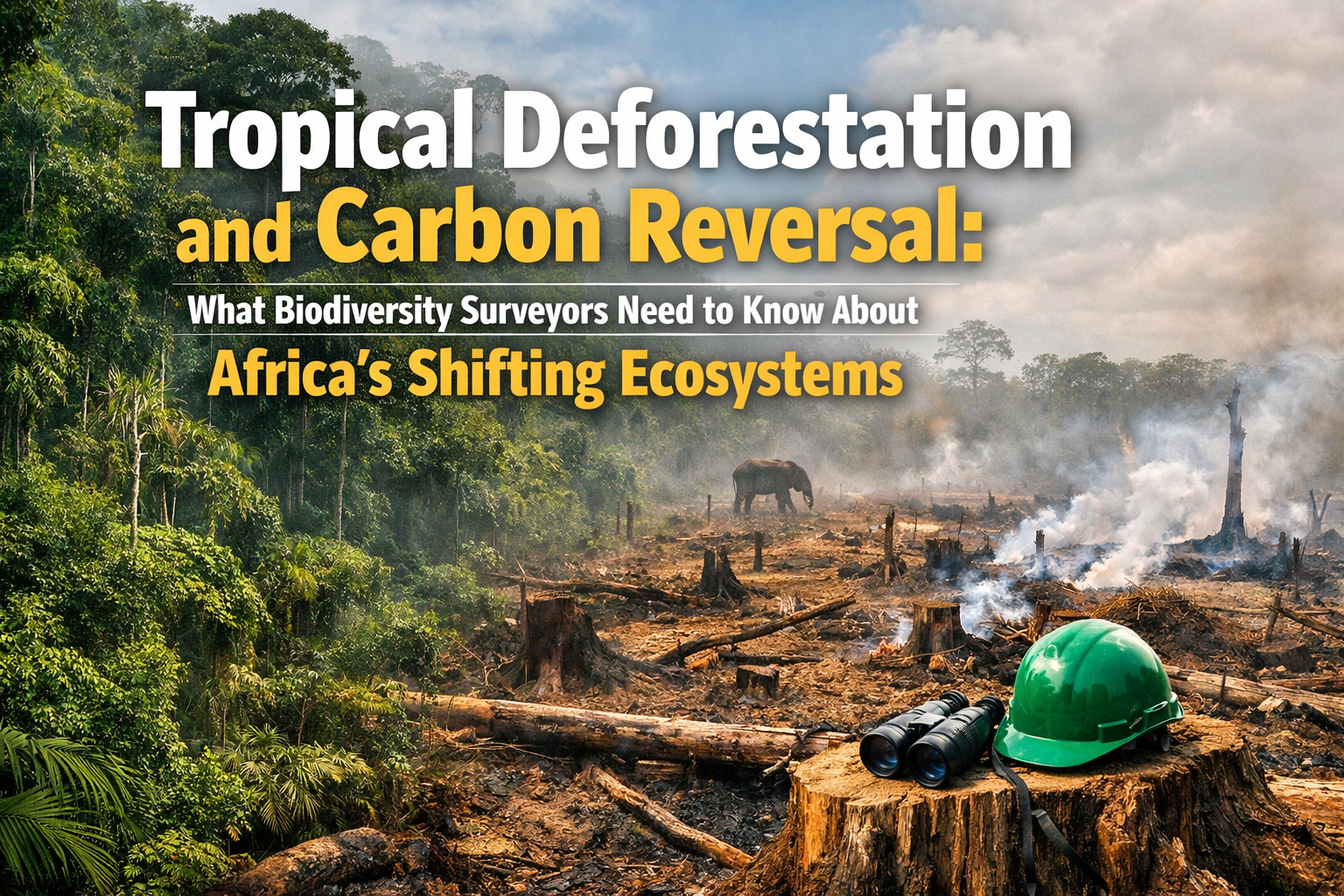
{"cover":"Professional landscape format (1536×1024) hero image featuring bold text overlay 'Tropical Deforestation and Carbon Reversal: What Biodiversity Surveyors Need to Know About Africa's Shifting Ecosystems' in extra large 72pt white sans-serif font with dark shadow and semi-transparent overlay box, positioned in upper third. Background shows dramatic split composition: left side…
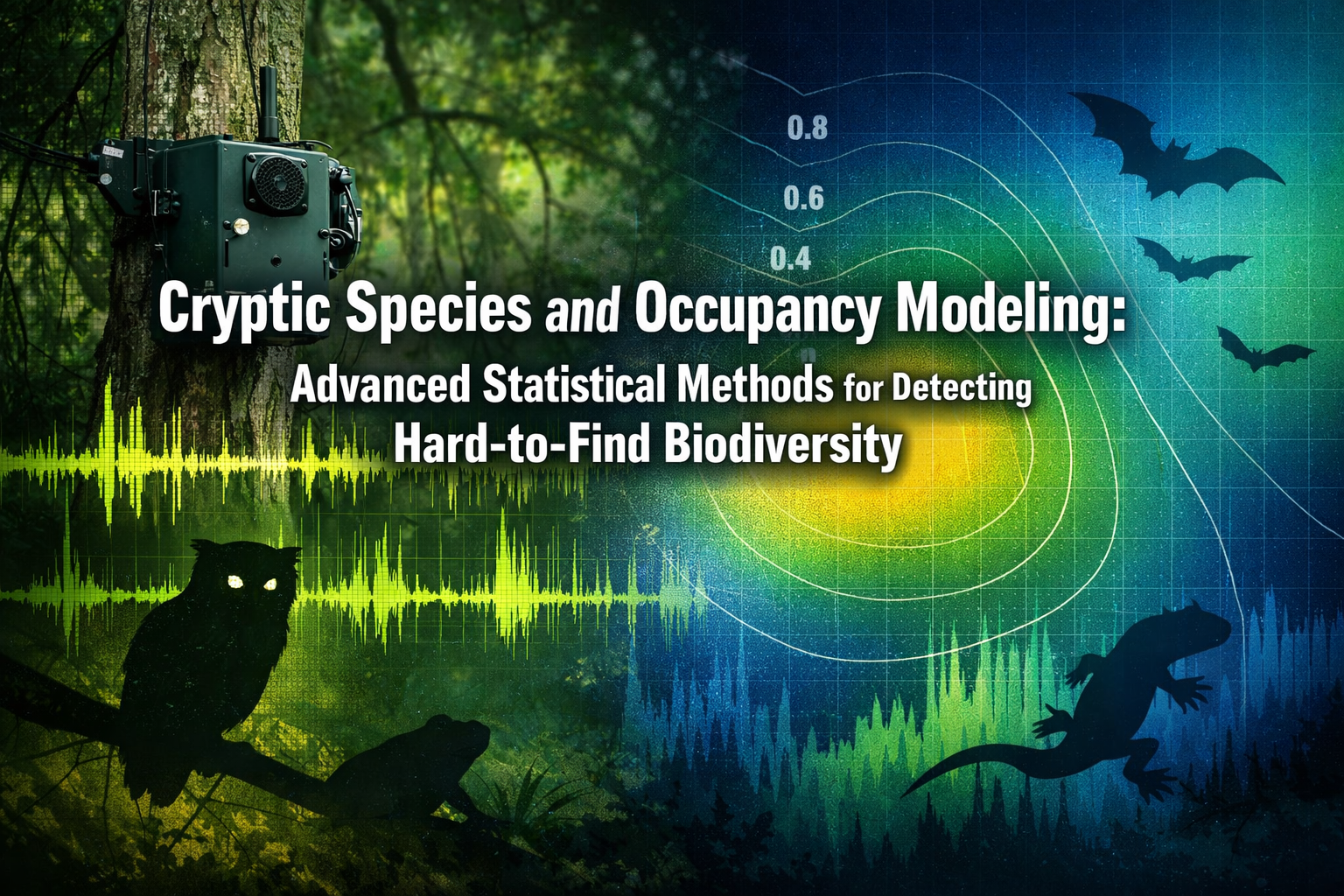
More than 40% of species present in typical ecological surveys go undetected during standard field assessments. This staggering reality means that conservation decisions, biodiversity baselines, and environmental impact assessments often rest on incomplete data. Cryptic Species and Occupancy Modeling: Advanced Statistical Methods for Detecting Hard-to-Find Biodiversity offers a powerful solution…
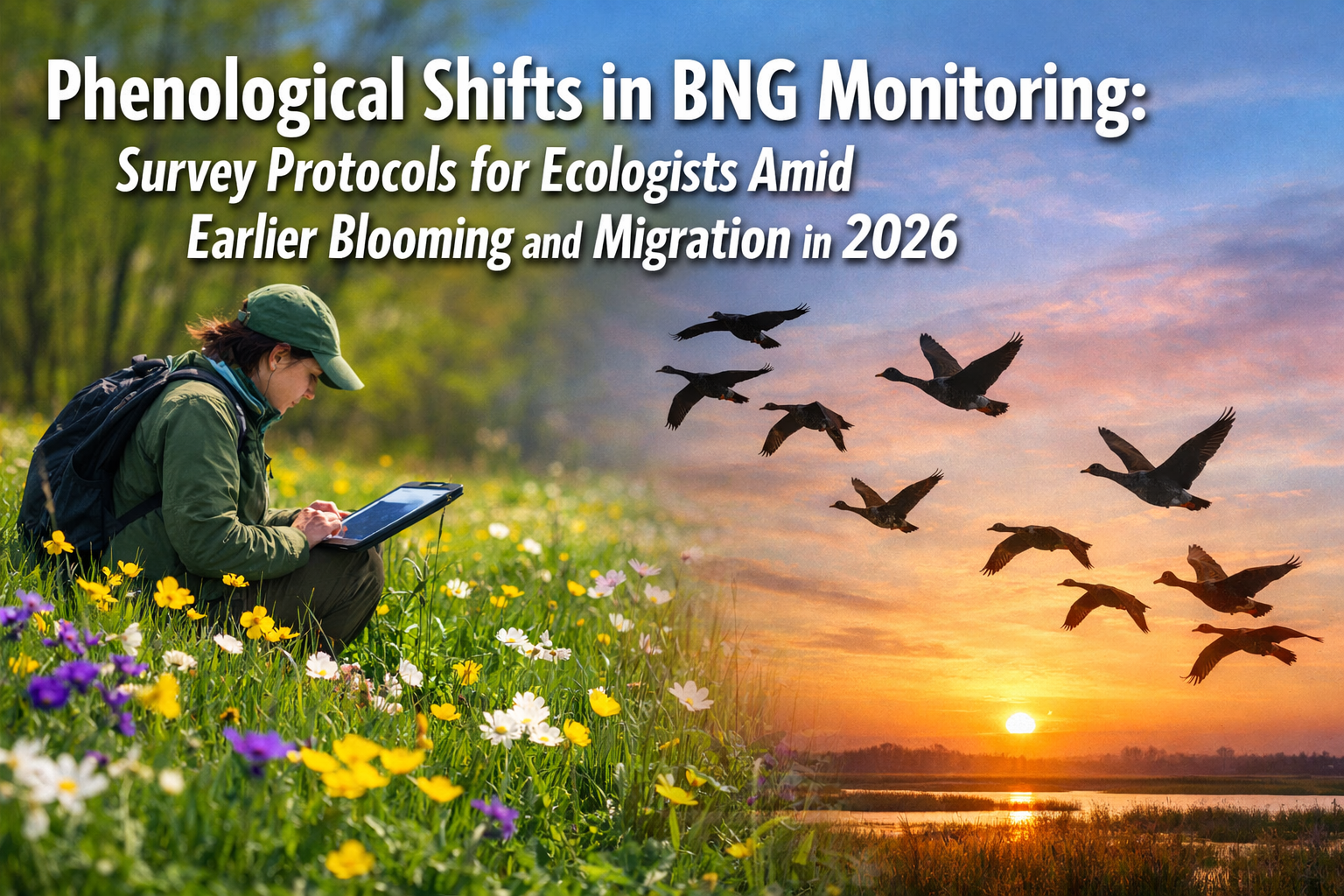
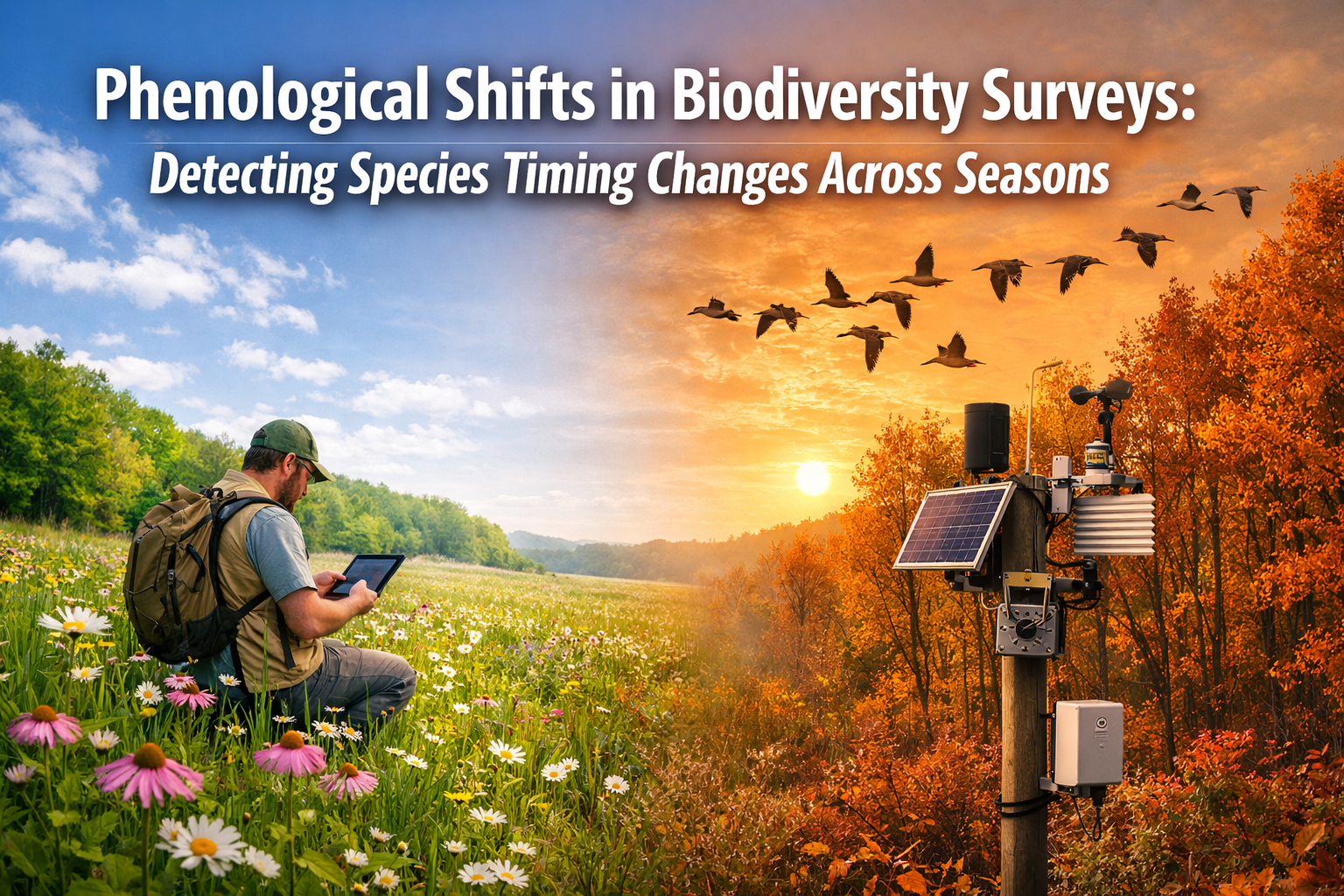
Climate change is rewriting nature's calendar at unprecedented speed. Recent research reveals that Mediterranean coral spawning now occurs two weeks earlier when spring temperatures rise by just 2°C—a shift that reduces reproductive success by measurable margins[1]. This acceleration of seasonal biological events, known as phenological shifts, is forcing biodiversity professionals…
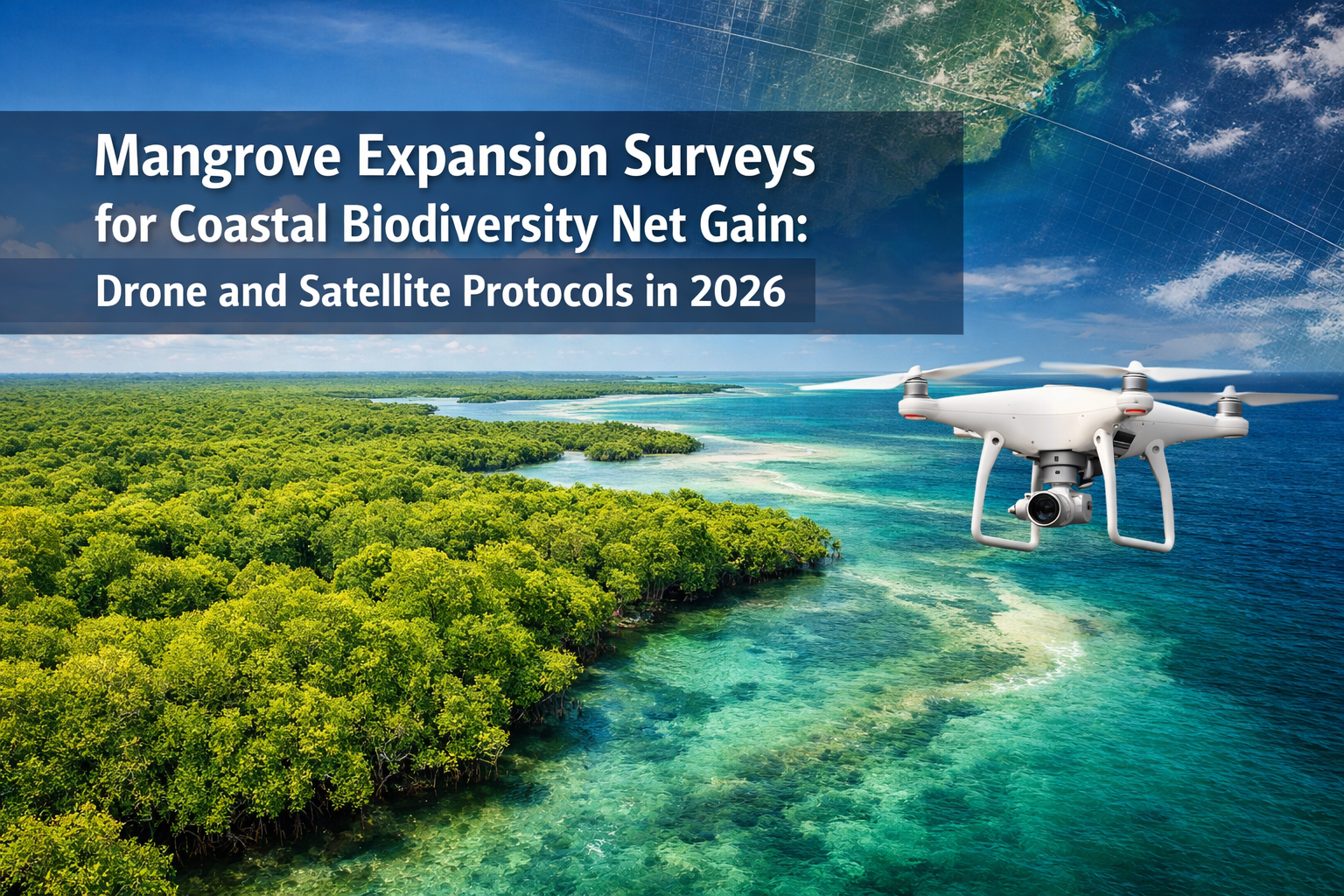
Mangrove forests are expanding northward along Atlantic coastlines at unprecedented rates, with climate modeling projecting significant range shifts over the coming decades[4]. This migration presents both challenges and opportunities for coastal biodiversity net gain (BNG) strategies, requiring innovative survey protocols that combine cutting-edge drone technology with satellite monitoring to accurately…
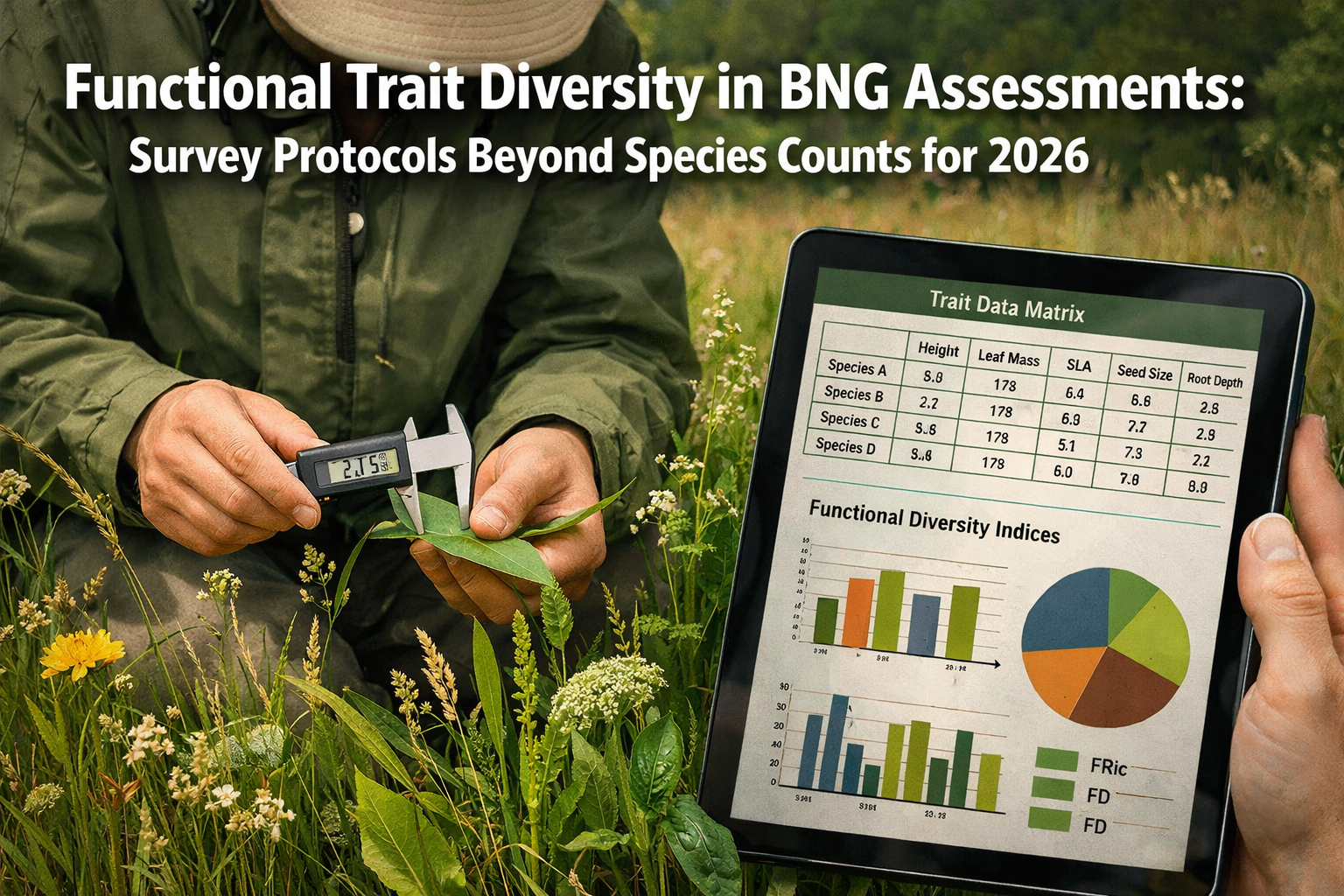
Recent studies reveal a striking finding: two grassland sites with identical species counts can differ by 300% in ecosystem functioning. This disparity stems from differences in functional trait diversity—the physical and physiological characteristics that determine how organisms interact with their environment. As UK Biodiversity Net Gain (BNG) regulations mature in…
Eighty percent of amphibian extinctions since the 1980s share a single devastating cause: the chytrid fungus Batrachochytrium dendrobatidis (Bd)[3]. As Biodiversity Net Gain (BNG) requirements reshape how developers and landowners approach habitat restoration in 2026, this microscopic pathogen presents an invisible threat to long-term ecological success. Restored wetlands designed to…
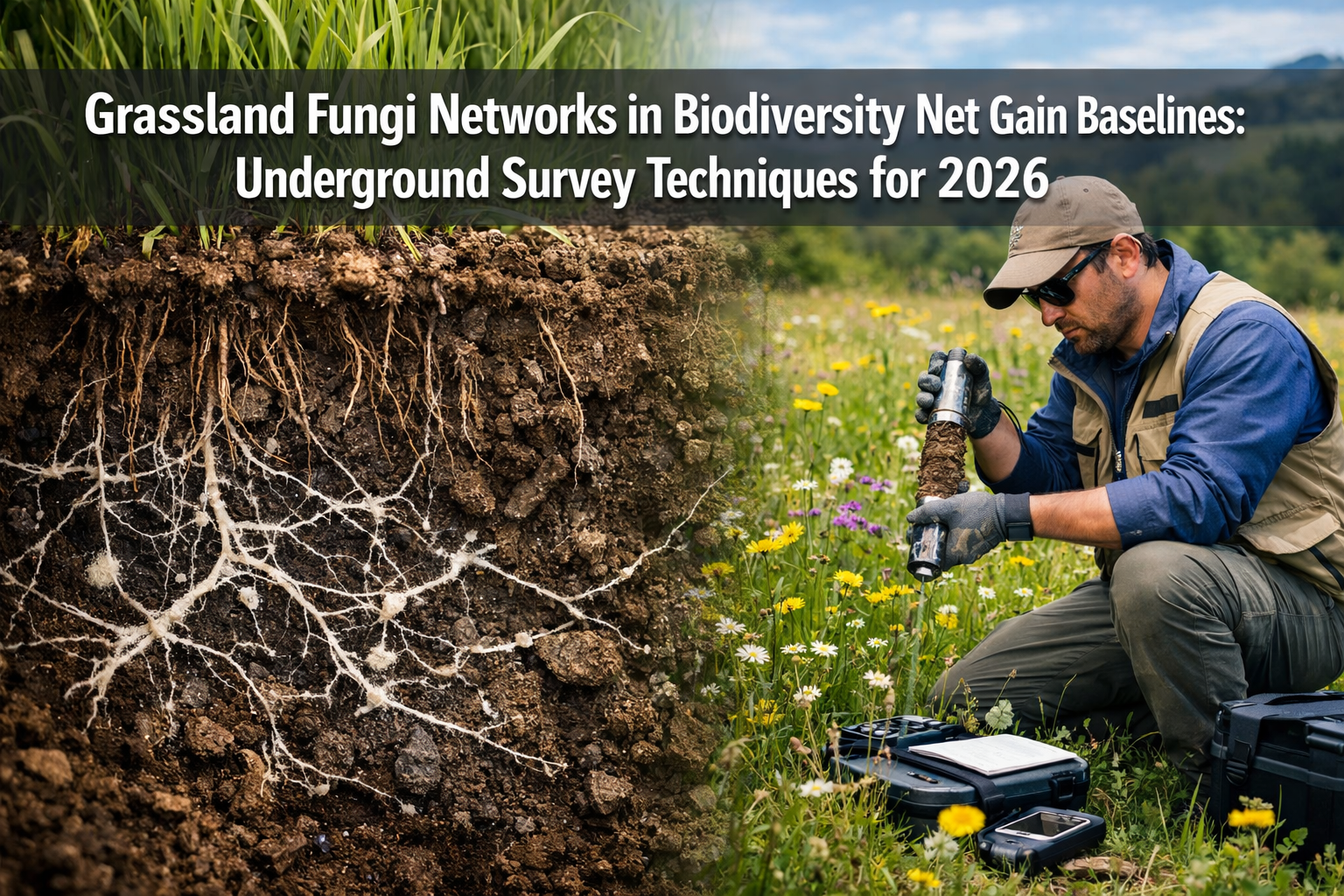
Below the visible surface of every grassland lies an invisible ecosystem worth billions—mycorrhizal fungi networks that connect plant roots across entire meadows, transferring nutrients and information through microscopic highways. Yet current Biodiversity Net Gain (BNG) assessments routinely overlook these underground architects, potentially undermining the accuracy of baseline calculations and the…
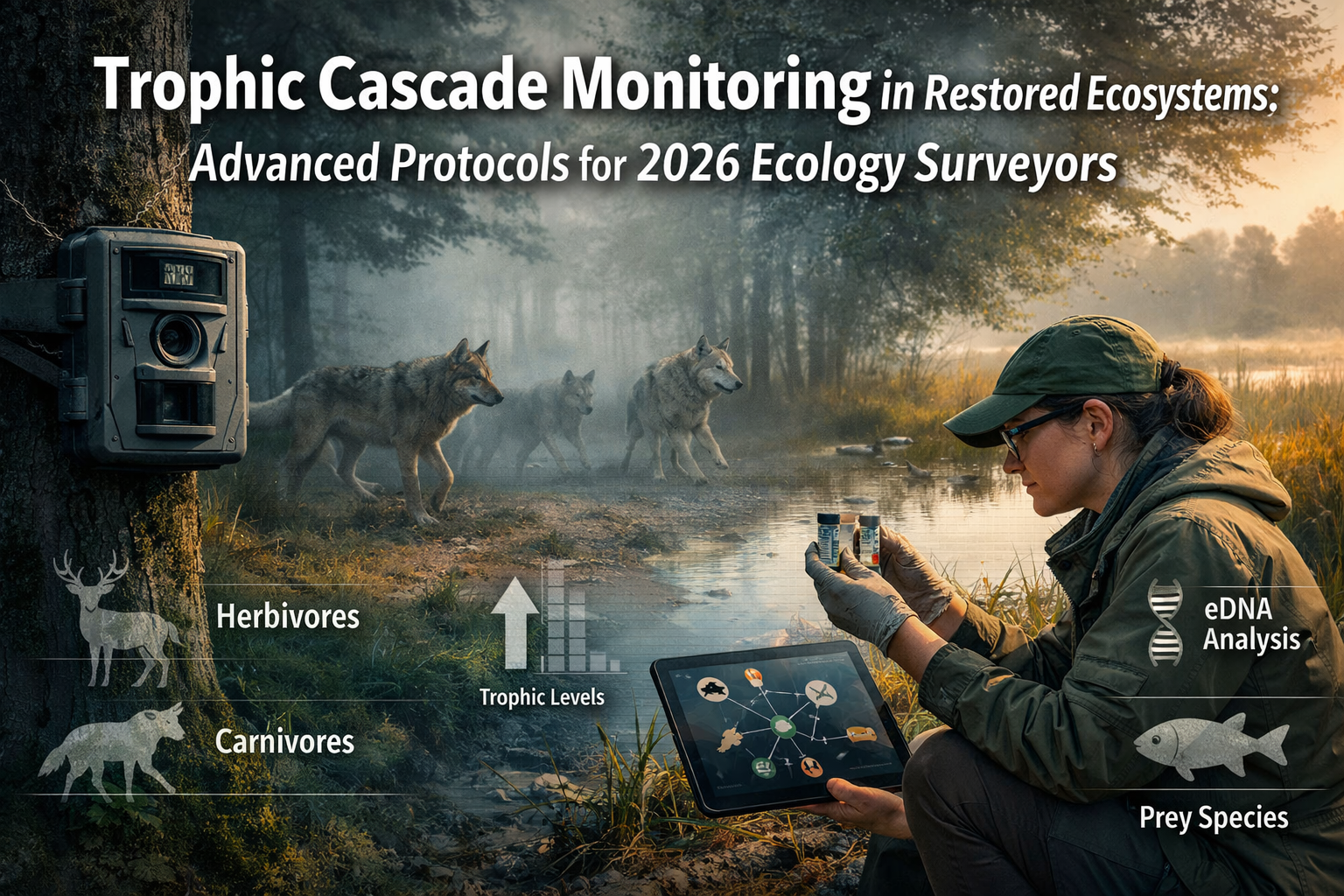
Recent research reveals that 73% of ecosystem restoration projects fail to track predator-prey dynamics beyond the first year, leaving critical gaps in understanding whether restored habitats truly function as self-sustaining ecosystems. As global restoration targets accelerate toward the 2030 deadline, ecology surveyors face unprecedented pressure to demonstrate measurable ecological recovery…
} A panel of 26 global experts recently identified 15 priority conservation issues from an initial pool of 96 emerging threats—and the implications for biodiversity surveying practices have never been more urgent. As ecological challenges evolve at unprecedented speed, from mirror biomolecules to pharmaceutical-driven habitat shifts, surveyors can no longer…
A staggering $700 billion funding gap threatens to derail global nature-based solutions despite $220 billion flowing annually into conservation efforts [1]. This financial chasm arrives precisely as 2025's most groundbreaking ecology research—curated through Springer Nature's Top 100 most-read papers—reveals transformative methodologies that surveyors and developers must integrate into 2026 biodiversity…
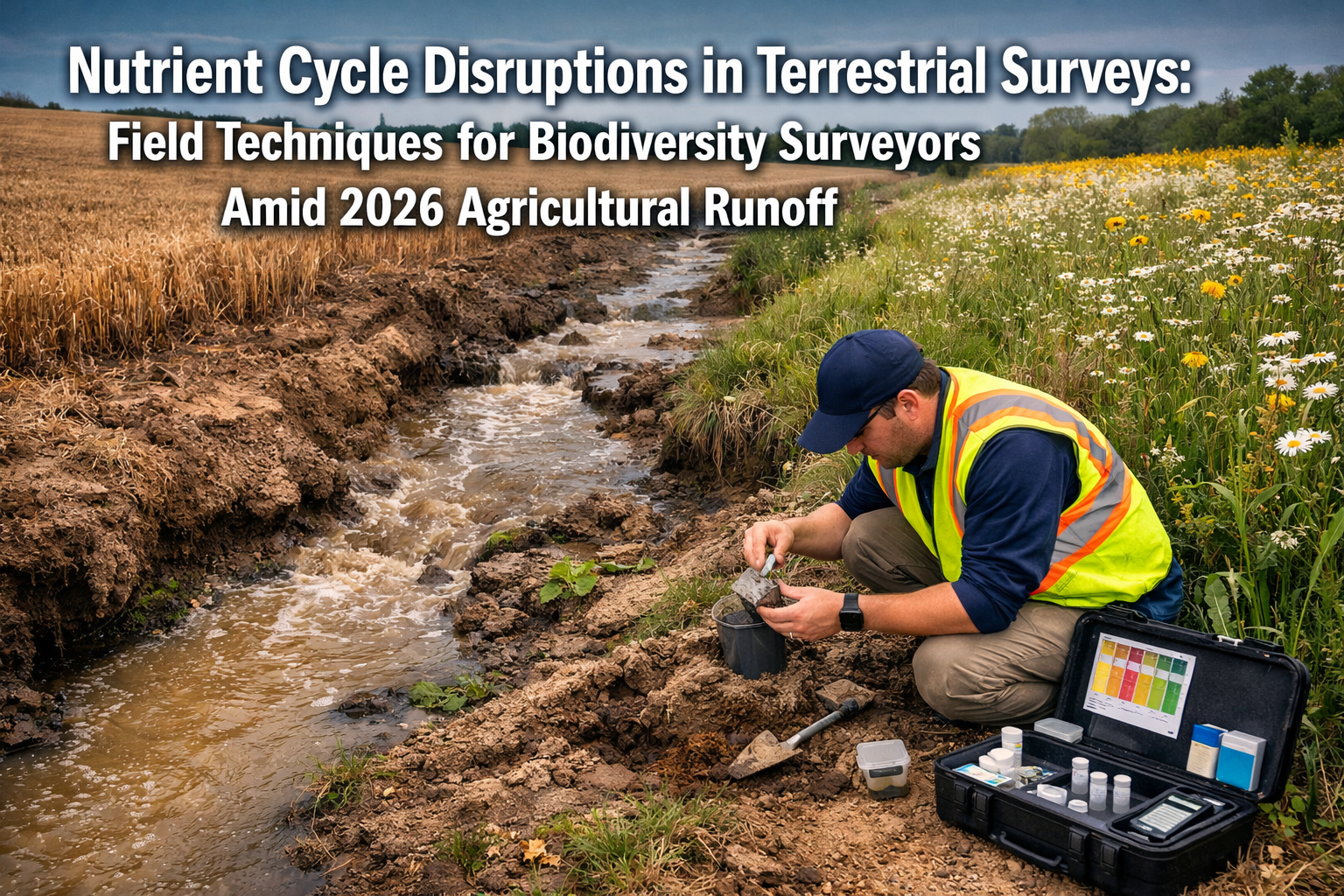
Synthetic nitrogen production now exceeds all forms of natural nitrogen production combined, fundamentally altering the biogeochemical cycles that have regulated Earth's ecosystems for millennia [2]. This unprecedented disruption creates significant challenges for biodiversity surveyors working in farmland-adjacent projects, where Nutrient Cycle Disruptions in Terrestrial Surveys: Field Techniques for Biodiversity Surveyors…
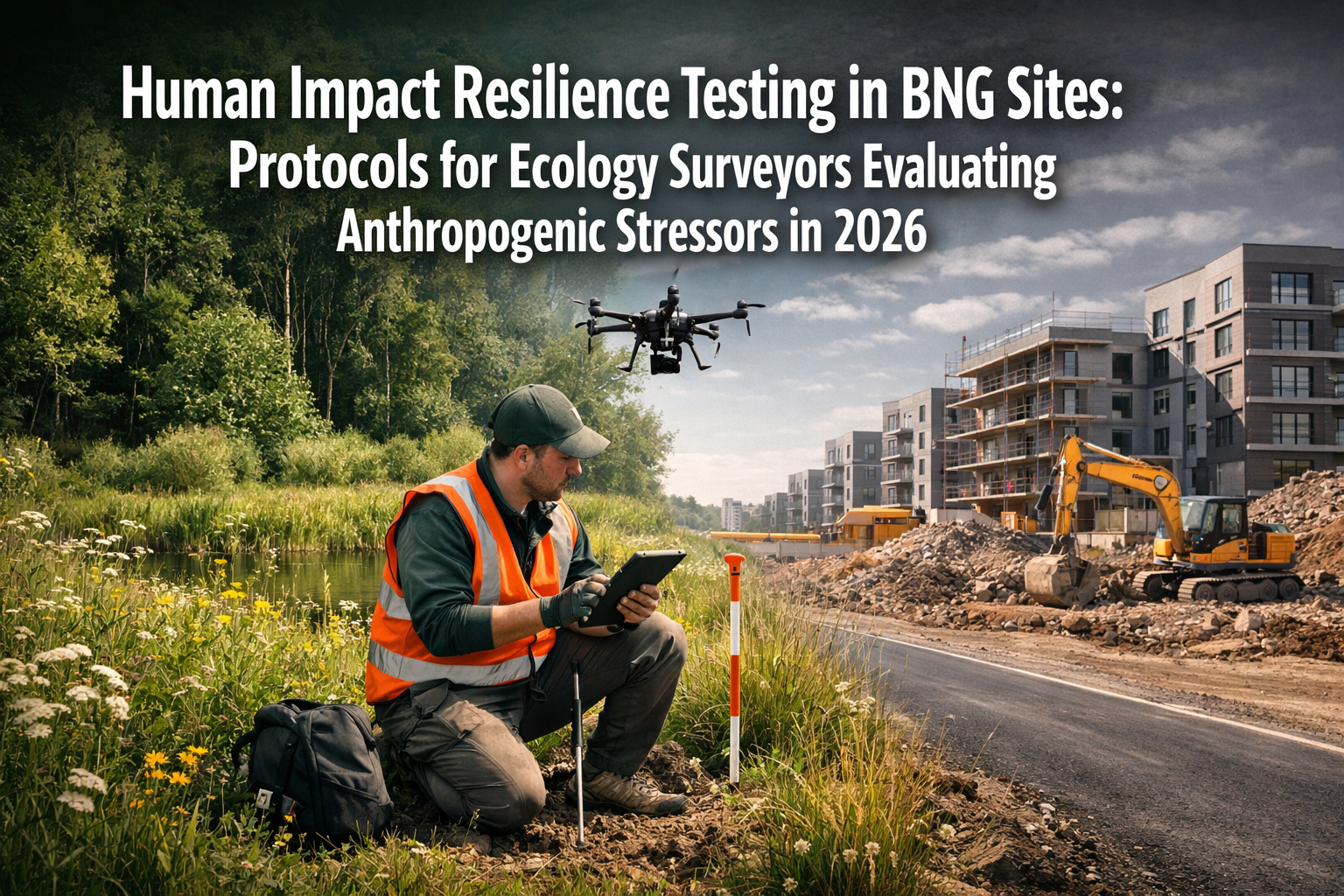
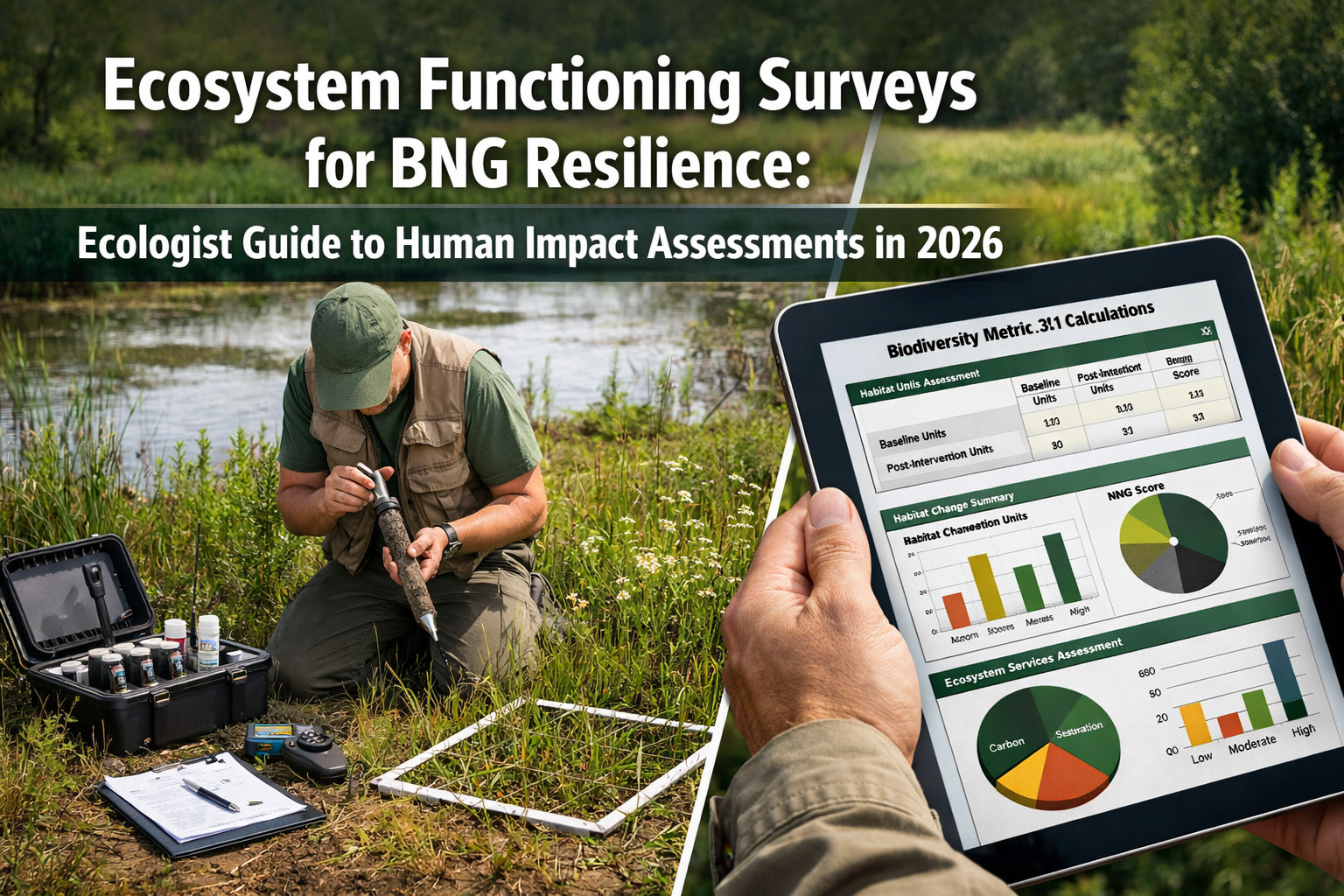
Biodiversity Net Gain (BNG) sites face a critical challenge that most developers overlook: 87% of habitat creation projects fail to account for ongoing human pressures that compromise long-term ecological recovery. As England's mandatory BNG legislation enters its third year of enforcement, ecology surveyors must now quantify not just baseline biodiversity,…
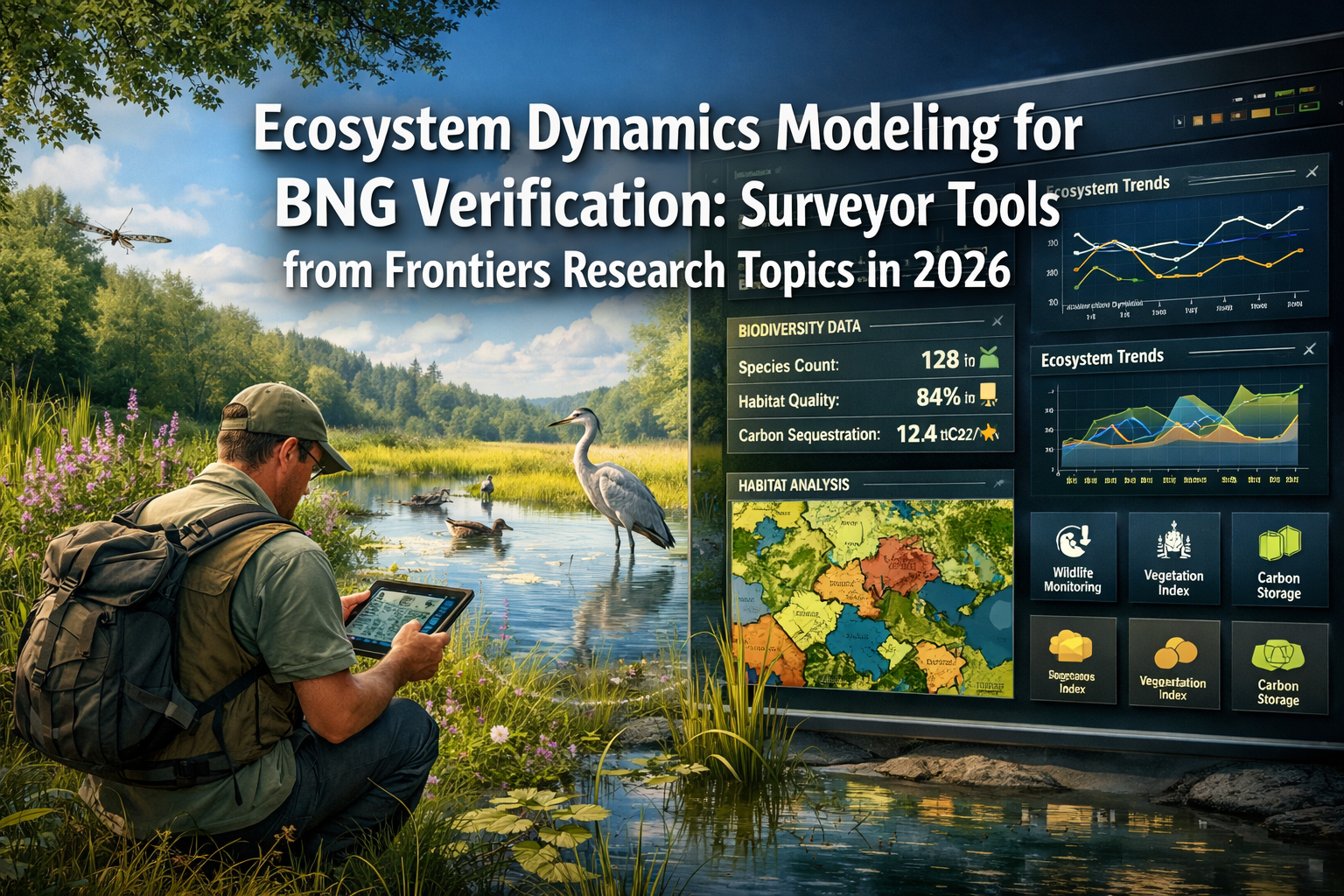
Recent software advances now enable comprehensive quantification of 11 distinct ecosystem stability indicators from time series data, fundamentally transforming how surveyors verify biodiversity net gain compliance[2]. This breakthrough shifts BNG verification from static snapshot assessments to dynamic modeling that captures temporal fluctuations, species interactions, and ecosystem resilience—addressing a critical gap…
{"cover":"Professional landscape format (1536×1024) hero image with bold text overlay 'Blue Carbon Mangrove Surveys for Dual BNG-Carbon Credits' in extra large 72pt white sans-serif font with dark gradient shadow, centered in upper third. Background shows aerial view of lush mangrove forest meeting turquoise coastal waters with ecologist in field vest…
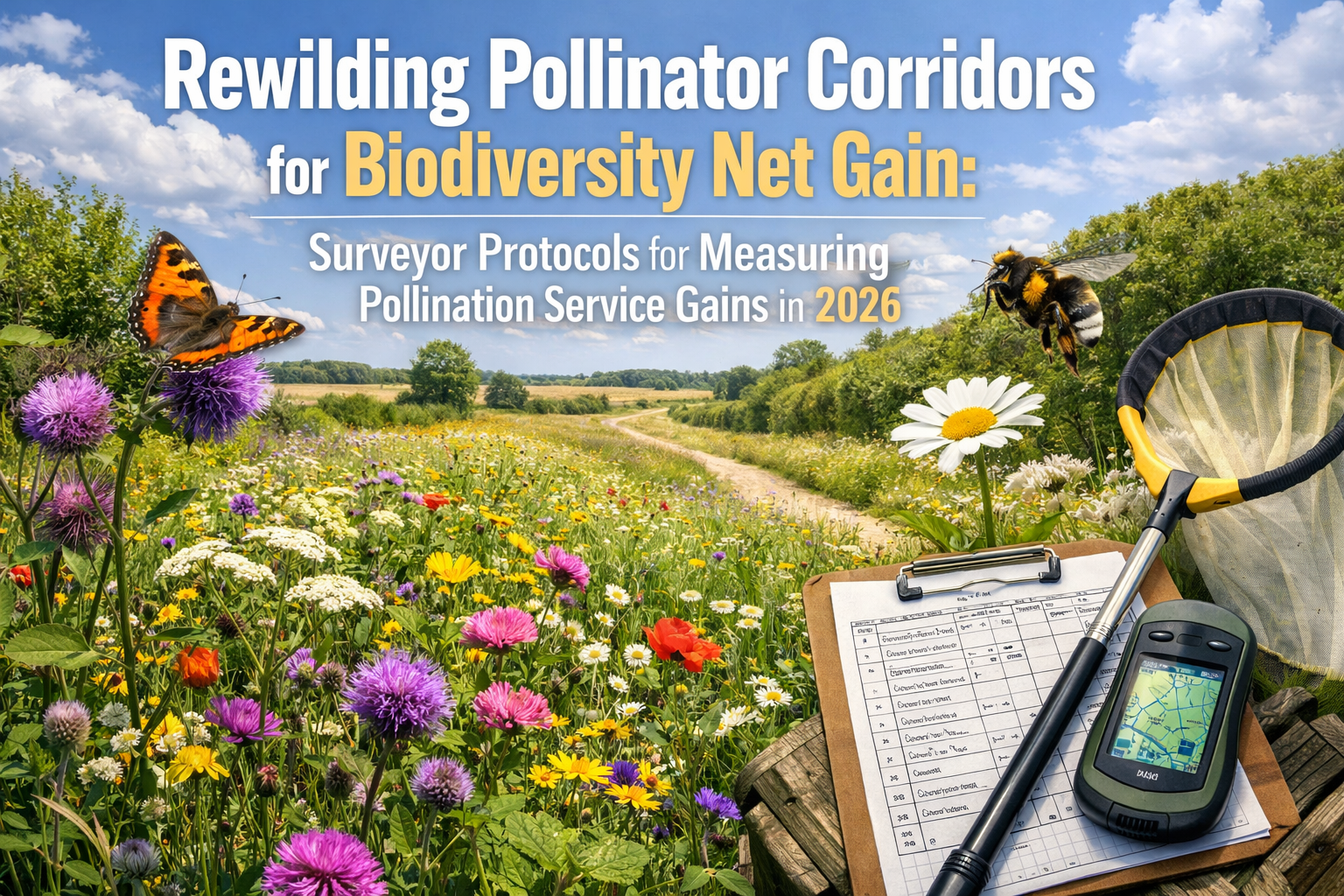
{"cover":"Professional landscape format (1536×1024) hero image featuring bold text overlay 'Rewilding Pollinator Corridors for Biodiversity Net Gain: Surveyor Protocols for Measuring Pollination Service Gains in 2026' in extra large 70pt white sans-serif font with dark shadow and semi-transparent overlay box, positioned in upper third. Background shows professional ecologist in high-visibility…
Milan's Bosco Verticale supports an estimated 1,600 birds and butterflies across just 1,000-3,000 square meters of urban footprint—equivalent to 5 hectares of traditional parkland.[5] As vertical forests proliferate across global megacities in 2026, ecology surveyors face unprecedented challenges in quantifying biodiversity outcomes for Biodiversity Net Gain (BNG) certification. Unlike ground-level…
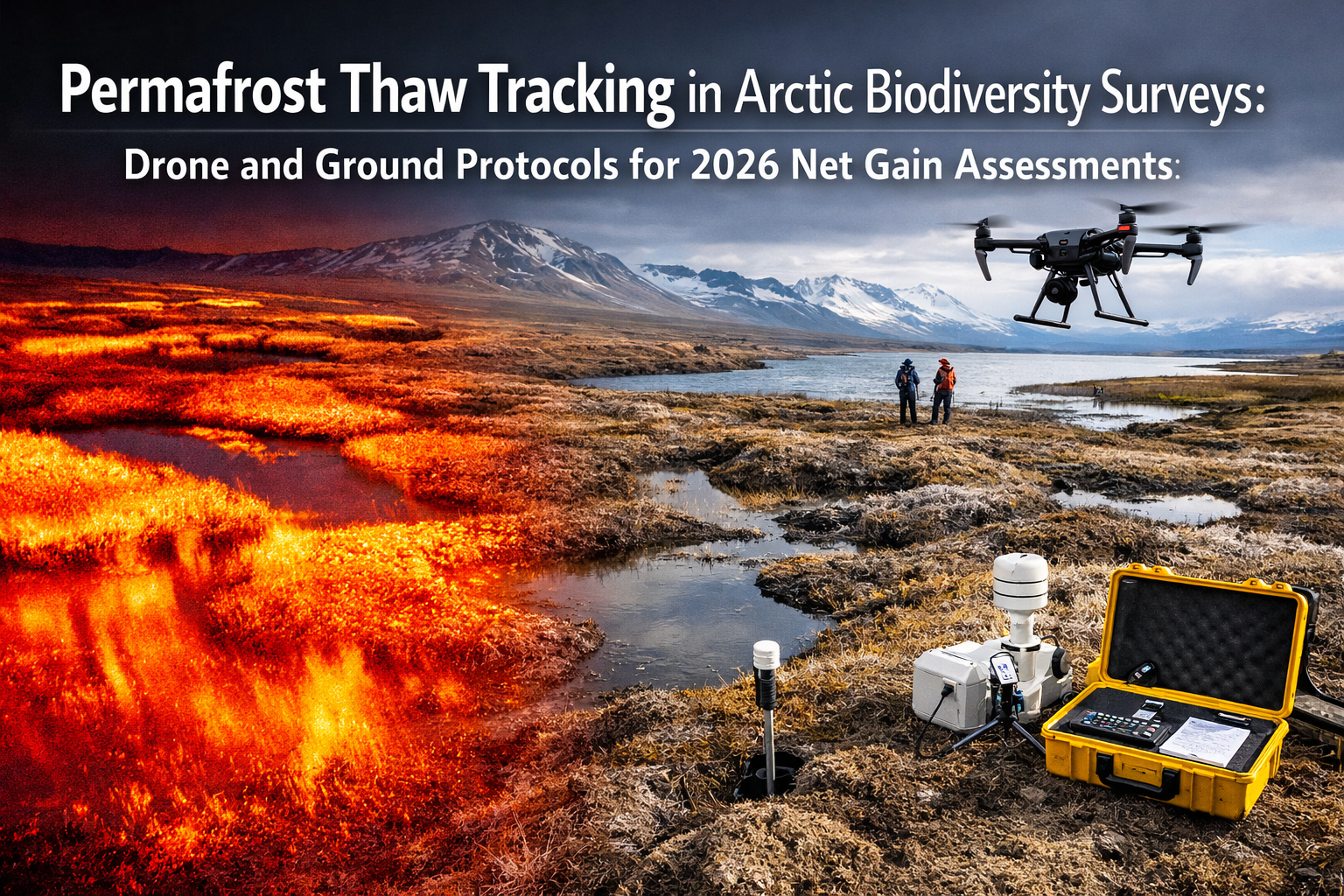
Analysis of a Wisconsin-sized region on Alaska's North Slope reveals runoff increasing sharply, rivers carrying unprecedented amounts of ancient carbon, and the thaw season now extending into September and October—weeks longer than previously documented.[1] This accelerating transformation demands immediate action from ecologists, conservation planners, and biodiversity professionals working in warming…
Between 2020 and 2026, invasive species have cost the global economy an estimated $423 billion annually while driving native species toward extinction at unprecedented rates. Yet a revolutionary genetic tool promises to shift this battle dramatically—if biodiversity professionals can navigate its complex ethical and ecological terrain with precision. Gene Drive…
Recent analysis of 40 years of Lake Geneva ecological data reveals that species' variable responses to environmental changes—termed "response diversity"—stabilize ecosystem biomass more effectively than previously understood, fundamentally reshaping how biodiversity surveyors must approach field assessments in 2026.[2] This breakthrough, published in March 2026, arrives precisely as UK policy shifts…
Recent discoveries reveal that soil microbes possess a remarkable form of ecological memory—communities repeatedly exposed to drought cycles recover faster and support plant growth more effectively than their unexposed counterparts. This breakthrough transforms how ecologists approach Soil Microbe Memory in Drought-Resilient Biodiversity Surveys: Protocols for Ecologists Facing 2026 Climate Extremes,…
Between 2020 and 2024, the number of ecology papers addressing biodiversity measurement protocols increased by 340%, yet only 23% of these studies translated into actionable field methodologies for conservation practitioners. This disconnect between academic research and practical application has created a critical gap—one that Springer Nature's most influential 2024 publications…
Recent research from the Smithsonian Environmental Research Center (SERC) has revolutionized how ecologists measure ecosystem disturbances, providing surveyors with standardized protocols that directly address the most critical gap in Biodiversity Net Gain (BNG) compliance: quantifying how human activities affect ecosystem services over time. As BNG mandates expand to Nationally Significant…
Over 82 active research topics are currently shaping the future of ecosystem science, yet most biodiversity surveyors remain unaware of how these cutting-edge methodologies can transform their field assessments and Biodiversity Net Gain (BNG) monitoring strategies. The Frontiers in Ecosystem Dynamics: Biodiversity Surveyor Guide to 2026 Research Topics from Frontiers…