BNG for Small Development Projects
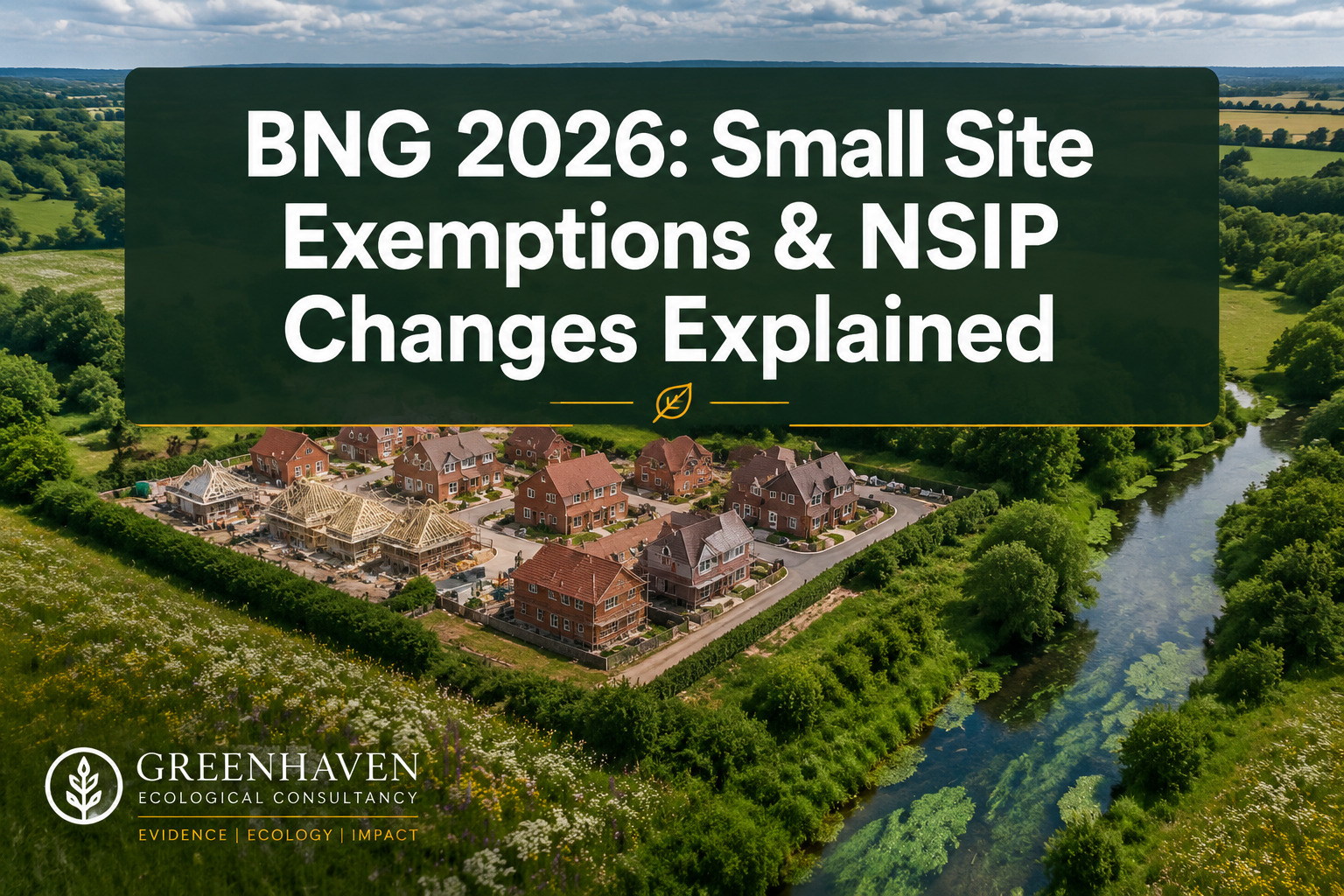
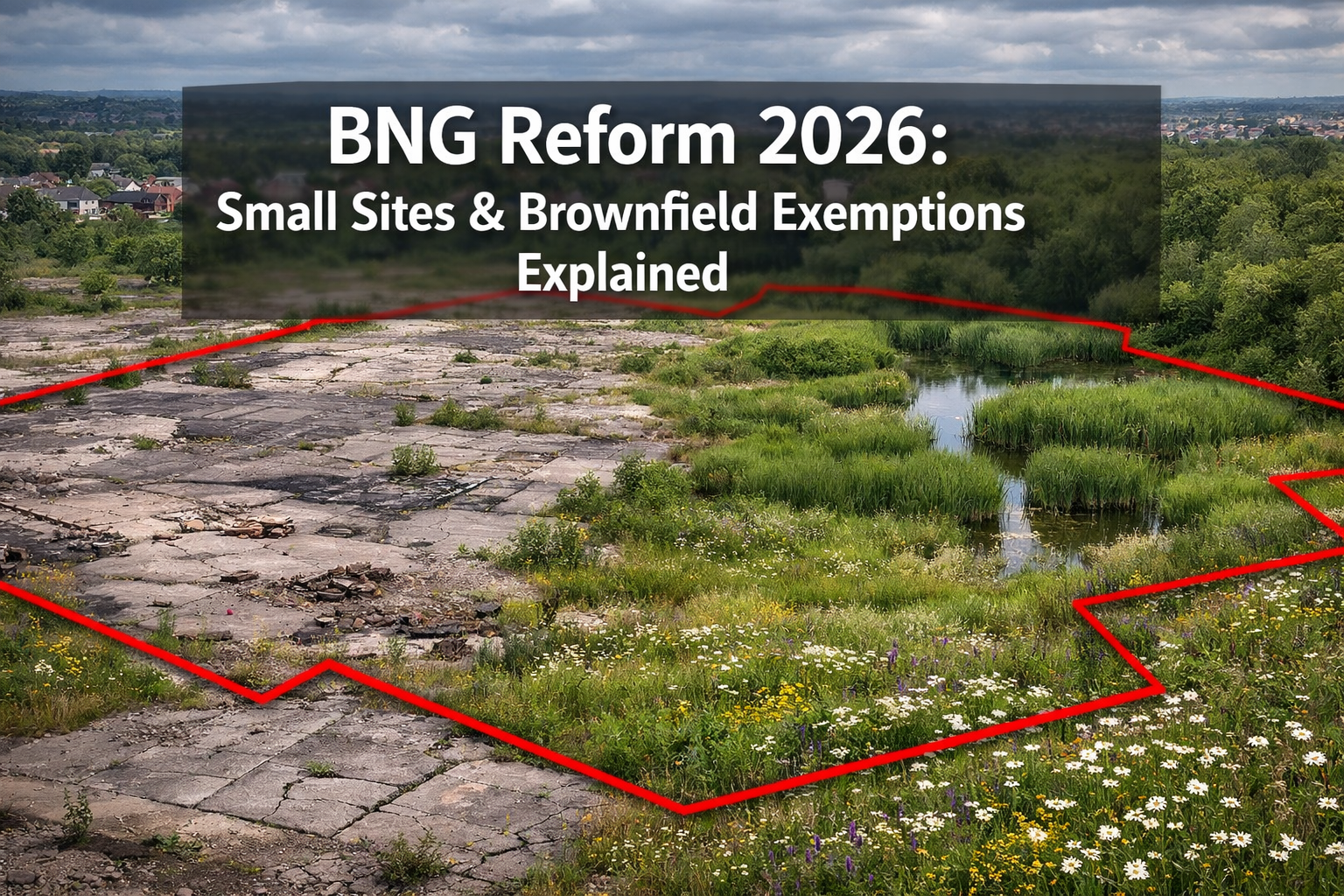
Starting on 2nd April 2024, policies regarding Biodiversity Net Gain (BNG) also apply to smaller development sites. This includes residential locations of less than 1 hectare with fewer than 10

Starting on 2nd April 2024, policies regarding Biodiversity Net Gain (BNG) also apply to smaller development sites. This includes residential locations of less than 1 hectare with fewer than 10

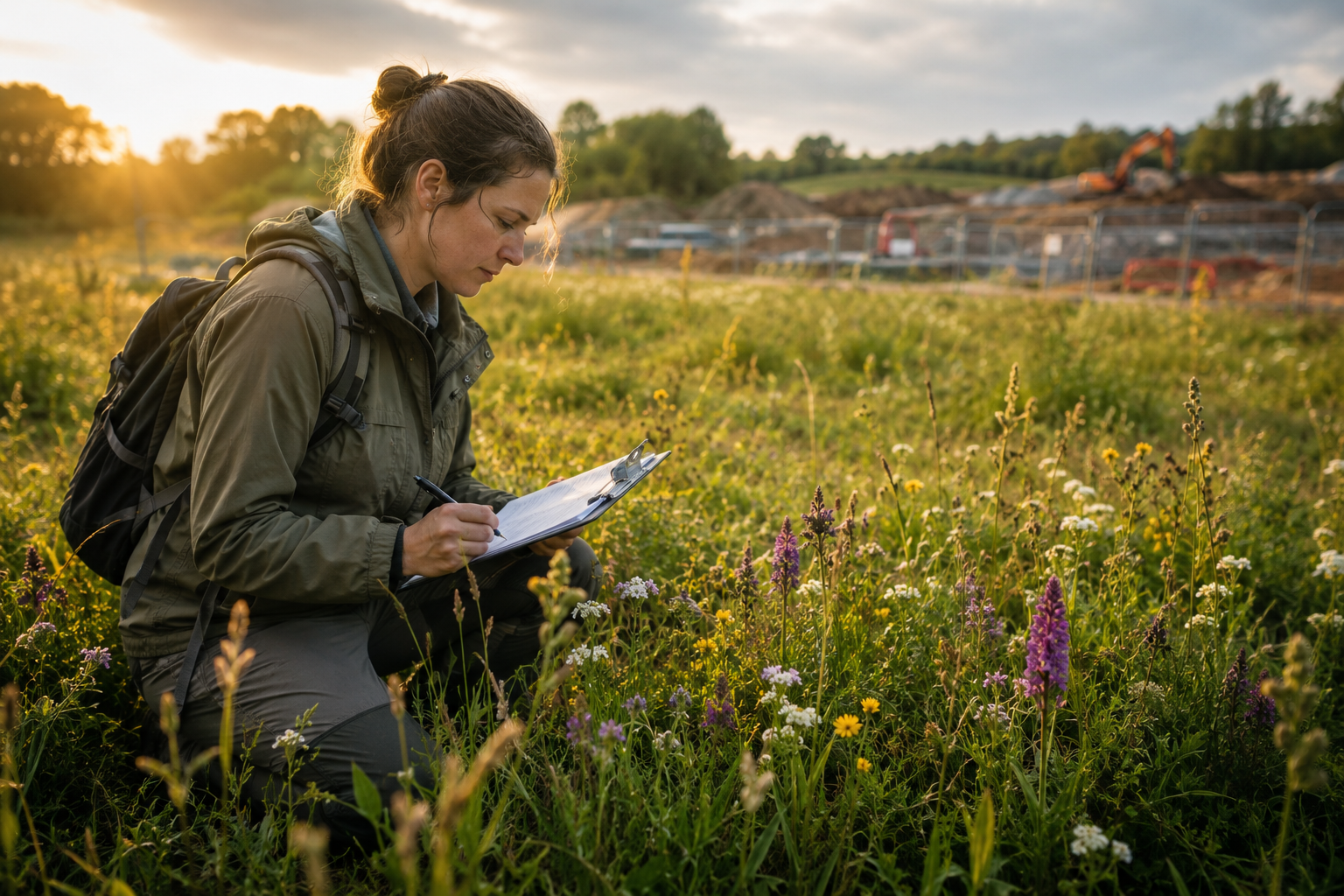
Image: surveyor holding paper and looking over river. The Government’s 25-year Environment Plan has, as one of its objectives, “to leave the environment in a better state than we found

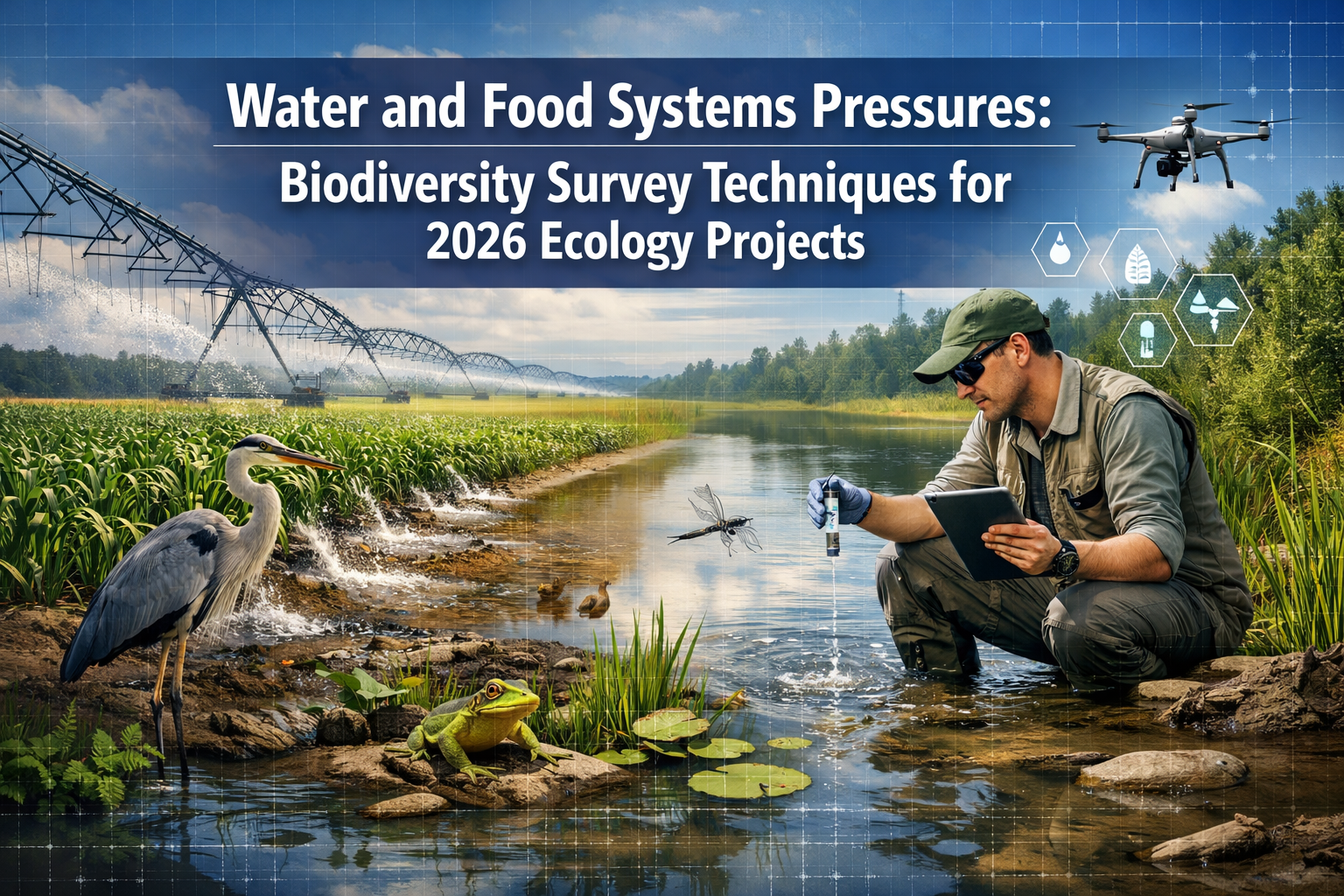
Image: drone hovering over river in field. The Environment Act’s biodiversity net gain (BNG) legislation has a 2-year phasing-in period, which ends in November 2023. That means developers must ensure

About Biodiversity Net Gain BNG is a concept that could dramatically change the environmental planning scene. It now obligates all developers to ensure that their projects do not diminish the
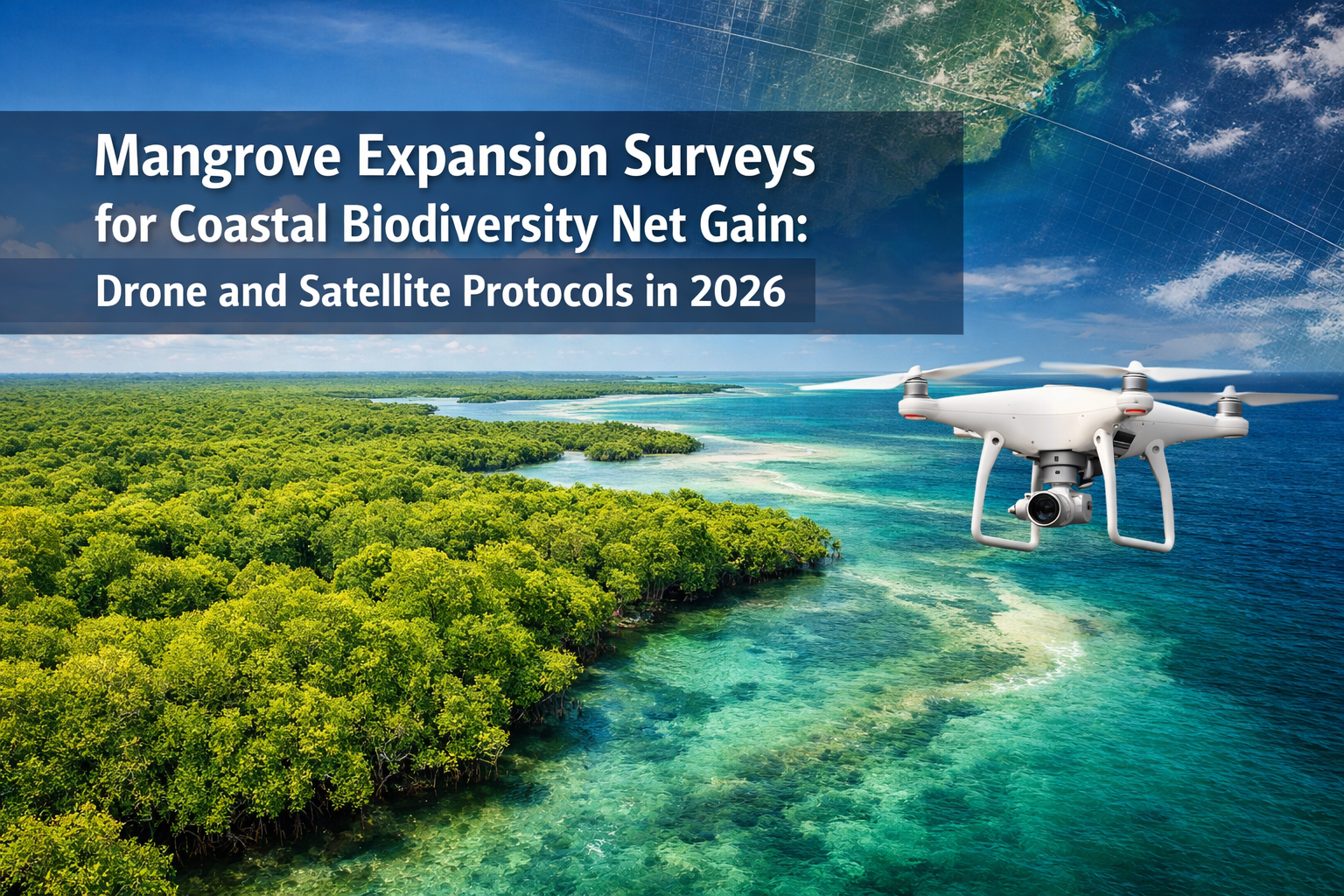
Mangrove forests are expanding northward along Atlantic coastlines at unprecedented rates, with climate modeling projecting significant range shifts over the coming decades[4]. This migration presents both challenges and opportunities for coastal biodiversity net gain (BNG) strategies, requiring innovative survey protocols that combine cutting-edge drone technology with satellite monitoring to accurately…
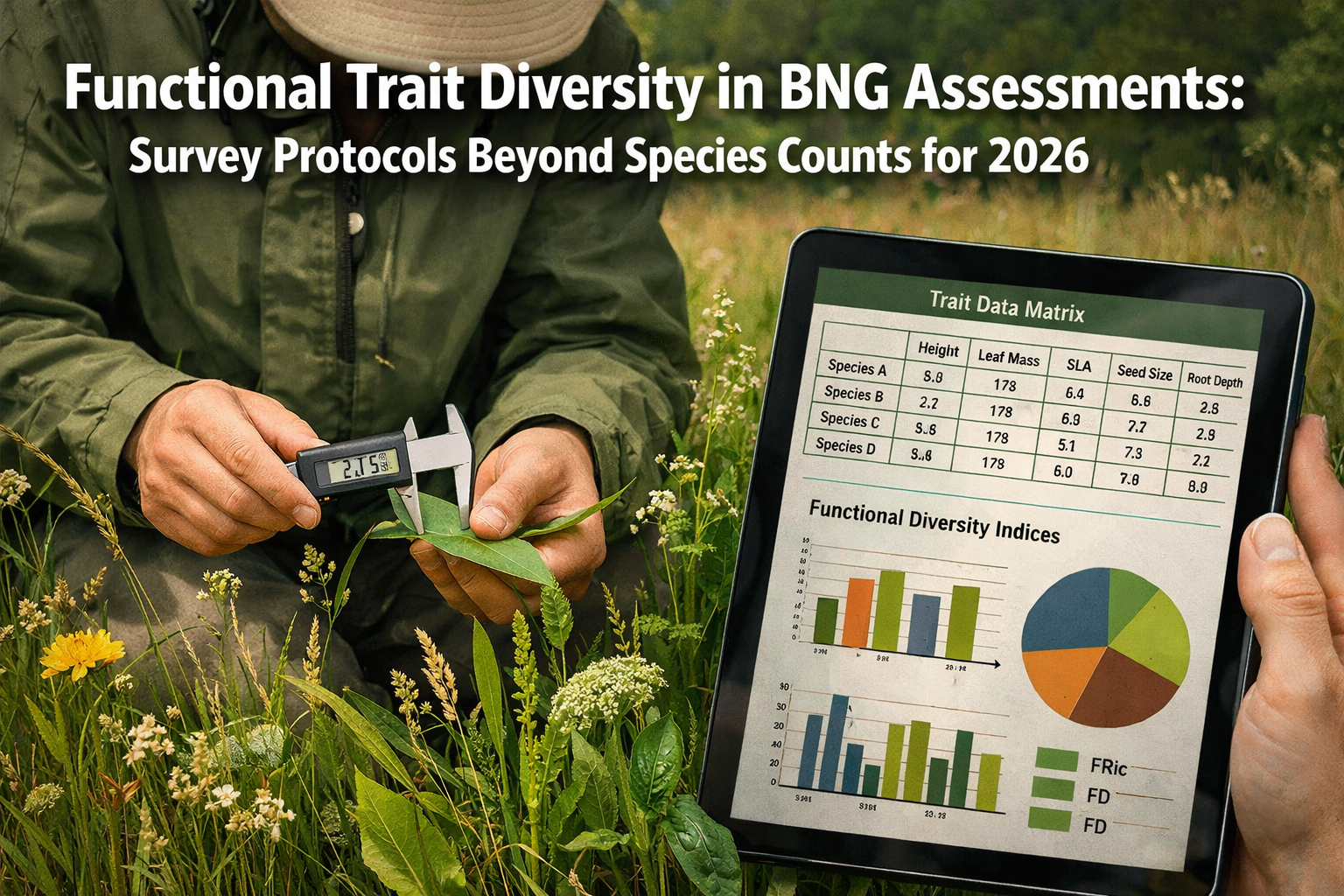
Recent studies reveal a striking finding: two grassland sites with identical species counts can differ by 300% in ecosystem functioning. This disparity stems from differences in functional trait diversity—the physical and physiological characteristics that determine how organisms interact with their environment. As UK Biodiversity Net Gain (BNG) regulations mature in…
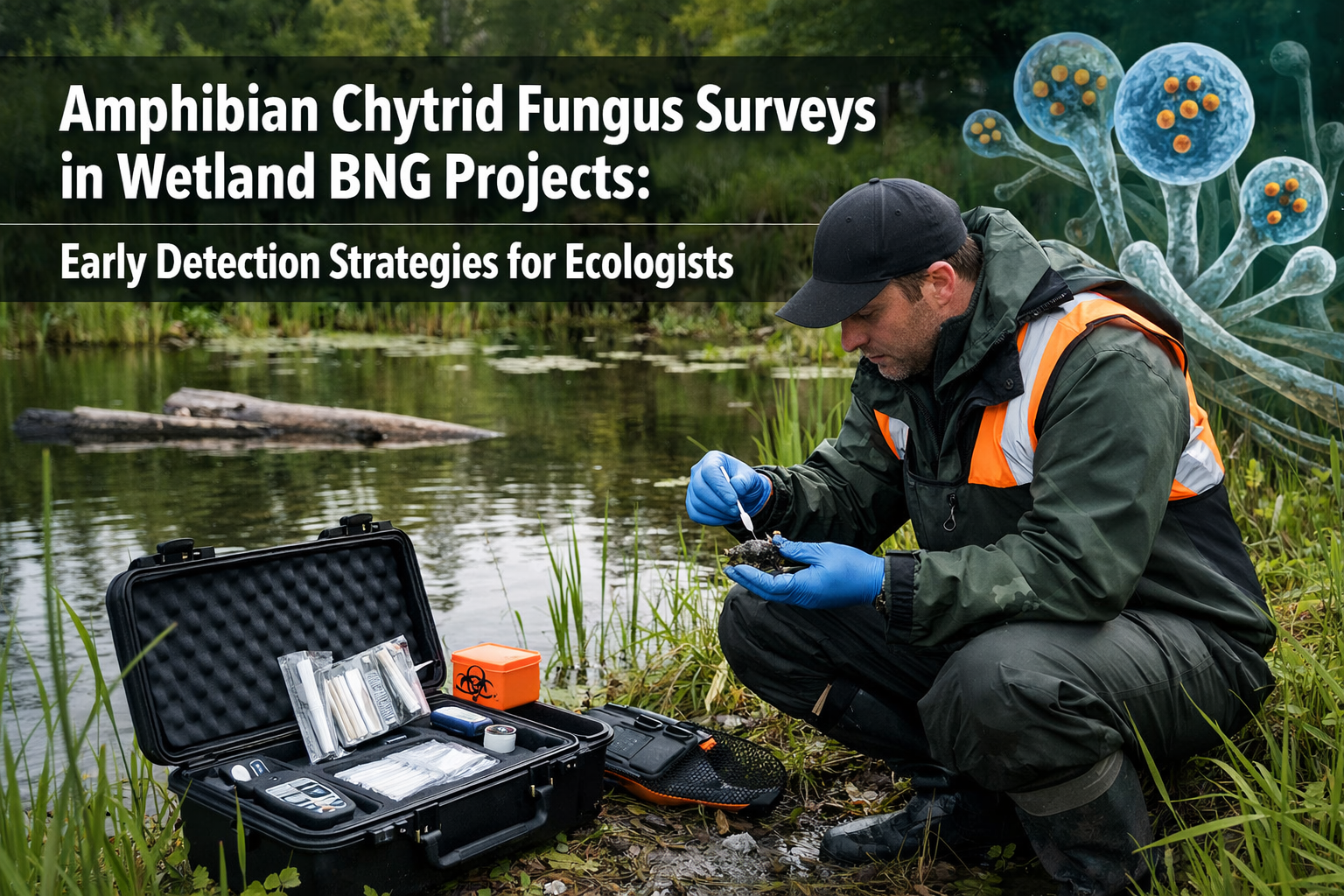
Eighty percent of amphibian extinctions since the 1980s share a single devastating cause: the chytrid fungus Batrachochytrium dendrobatidis (Bd)[3]. As Biodiversity Net Gain (BNG) requirements reshape how developers and landowners approach habitat restoration in 2026, this microscopic pathogen presents an invisible threat to long-term ecological success. Restored wetlands designed to…
Below the visible surface of every grassland lies an invisible ecosystem worth billions—mycorrhizal fungi networks that connect plant roots across entire meadows, transferring nutrients and information through microscopic highways. Yet current Biodiversity Net Gain (BNG) assessments routinely overlook these underground architects, potentially undermining the accuracy of baseline calculations and the…
Recent research reveals that 73% of ecosystem restoration projects fail to track predator-prey dynamics beyond the first year, leaving critical gaps in understanding whether restored habitats truly function as self-sustaining ecosystems. As global restoration targets accelerate toward the 2030 deadline, ecology surveyors face unprecedented pressure to demonstrate measurable ecological recovery…
} A panel of 26 global experts recently identified 15 priority conservation issues from an initial pool of 96 emerging threats—and the implications for biodiversity surveying practices have never been more urgent. As ecological challenges evolve at unprecedented speed, from mirror biomolecules to pharmaceutical-driven habitat shifts, surveyors can no longer…
A staggering $700 billion funding gap threatens to derail global nature-based solutions despite $220 billion flowing annually into conservation efforts [1]. This financial chasm arrives precisely as 2025's most groundbreaking ecology research—curated through Springer Nature's Top 100 most-read papers—reveals transformative methodologies that surveyors and developers must integrate into 2026 biodiversity…
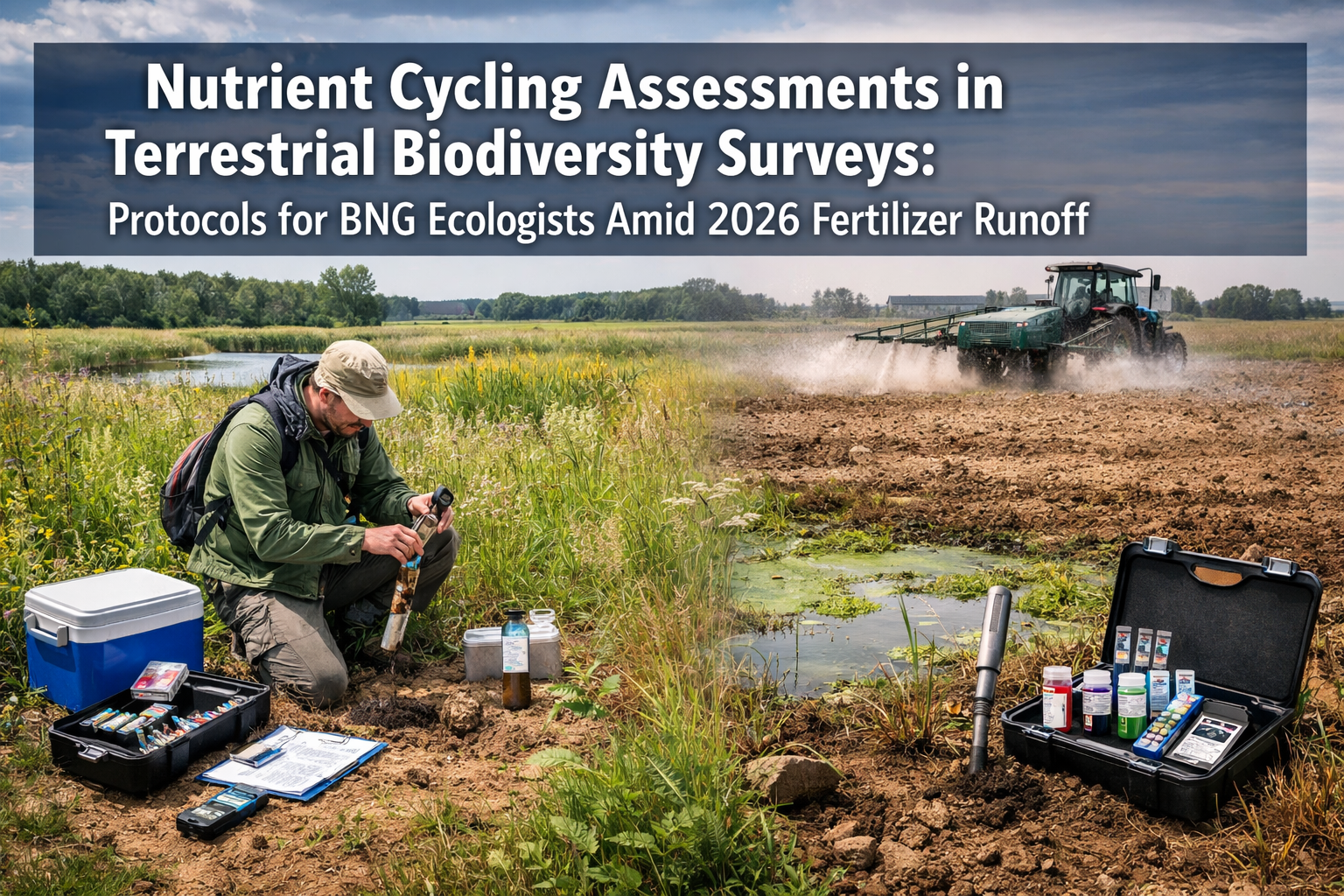
Synthetic nitrogen production now exceeds all forms of natural nitrogen production combined, fundamentally altering the biogeochemical cycles that have regulated Earth's ecosystems for millennia [2]. This unprecedented disruption creates significant challenges for biodiversity surveyors working in farmland-adjacent projects, where Nutrient Cycle Disruptions in Terrestrial Surveys: Field Techniques for Biodiversity Surveyors…
Biodiversity Net Gain (BNG) sites face a critical challenge that most developers overlook: 87% of habitat creation projects fail to account for ongoing human pressures that compromise long-term ecological recovery. As England's mandatory BNG legislation enters its third year of enforcement, ecology surveyors must now quantify not just baseline biodiversity,…
Recent software advances now enable comprehensive quantification of 11 distinct ecosystem stability indicators from time series data, fundamentally transforming how surveyors verify biodiversity net gain compliance[2]. This breakthrough shifts BNG verification from static snapshot assessments to dynamic modeling that captures temporal fluctuations, species interactions, and ecosystem resilience—addressing a critical gap…
{"cover":"Professional landscape format (1536×1024) hero image with bold text overlay 'Blue Carbon Mangrove Surveys for Dual BNG-Carbon Credits' in extra large 72pt white sans-serif font with dark gradient shadow, centered in upper third. Background shows aerial view of lush mangrove forest meeting turquoise coastal waters with ecologist in field vest…
{"cover":"Professional landscape format (1536×1024) hero image featuring bold text overlay 'Rewilding Pollinator Corridors for Biodiversity Net Gain: Surveyor Protocols for Measuring Pollination Service Gains in 2026' in extra large 70pt white sans-serif font with dark shadow and semi-transparent overlay box, positioned in upper third. Background shows professional ecologist in high-visibility…
Milan's Bosco Verticale supports an estimated 1,600 birds and butterflies across just 1,000-3,000 square meters of urban footprint—equivalent to 5 hectares of traditional parkland.[5] As vertical forests proliferate across global megacities in 2026, ecology surveyors face unprecedented challenges in quantifying biodiversity outcomes for Biodiversity Net Gain (BNG) certification. Unlike ground-level…
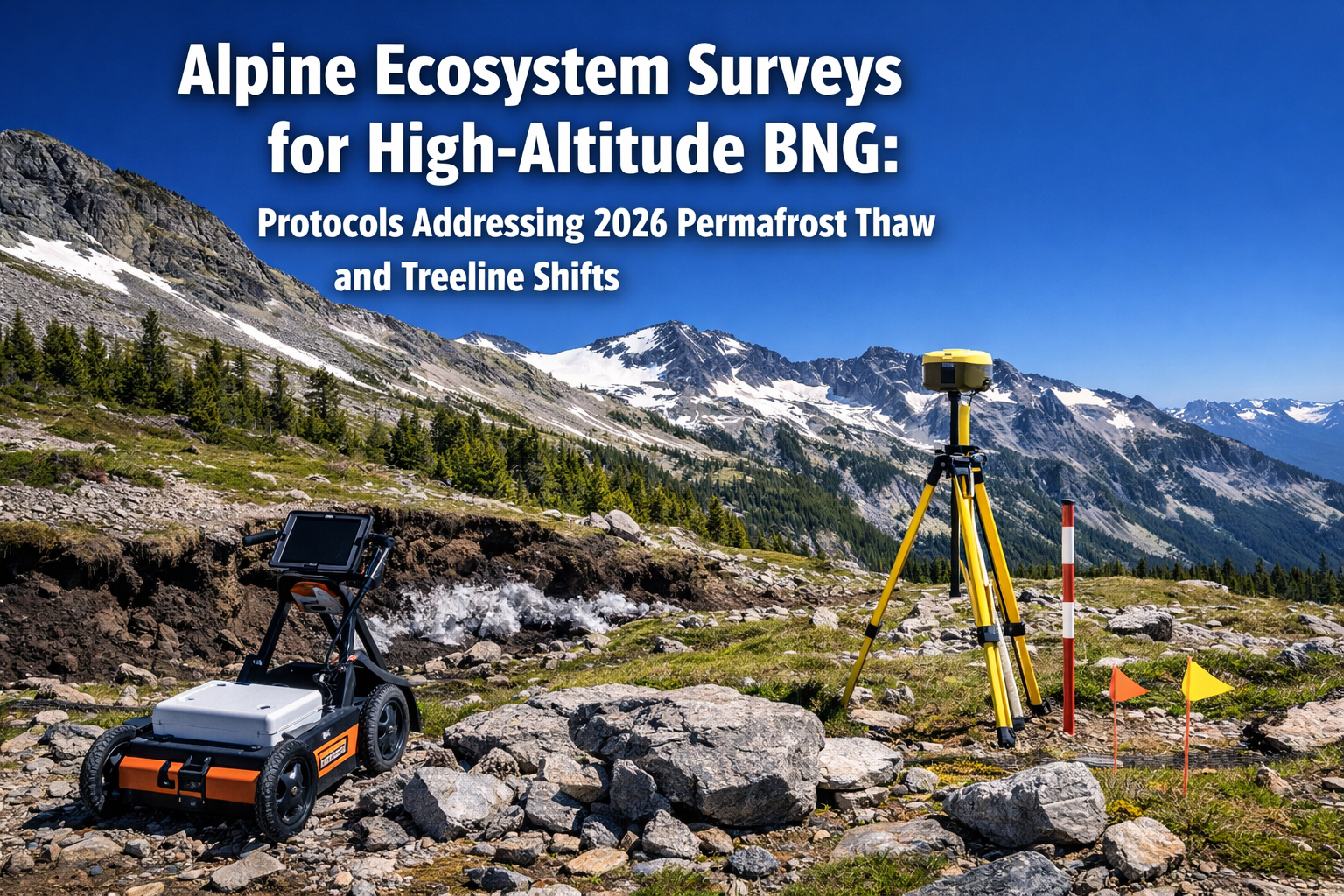
Analysis of a Wisconsin-sized region on Alaska's North Slope reveals runoff increasing sharply, rivers carrying unprecedented amounts of ancient carbon, and the thaw season now extending into September and October—weeks longer than previously documented.[1] This accelerating transformation demands immediate action from ecologists, conservation planners, and biodiversity professionals working in warming…
Between 2020 and 2026, invasive species have cost the global economy an estimated $423 billion annually while driving native species toward extinction at unprecedented rates. Yet a revolutionary genetic tool promises to shift this battle dramatically—if biodiversity professionals can navigate its complex ethical and ecological terrain with precision. Gene Drive…
Recent analysis of 40 years of Lake Geneva ecological data reveals that species' variable responses to environmental changes—termed "response diversity"—stabilize ecosystem biomass more effectively than previously understood, fundamentally reshaping how biodiversity surveyors must approach field assessments in 2026.[2] This breakthrough, published in March 2026, arrives precisely as UK policy shifts…
Recent discoveries reveal that soil microbes possess a remarkable form of ecological memory—communities repeatedly exposed to drought cycles recover faster and support plant growth more effectively than their unexposed counterparts. This breakthrough transforms how ecologists approach Soil Microbe Memory in Drought-Resilient Biodiversity Surveys: Protocols for Ecologists Facing 2026 Climate Extremes,…
Between 2020 and 2024, the number of ecology papers addressing biodiversity measurement protocols increased by 340%, yet only 23% of these studies translated into actionable field methodologies for conservation practitioners. This disconnect between academic research and practical application has created a critical gap—one that Springer Nature's most influential 2024 publications…
Recent research from the Smithsonian Environmental Research Center (SERC) has revolutionized how ecologists measure ecosystem disturbances, providing surveyors with standardized protocols that directly address the most critical gap in Biodiversity Net Gain (BNG) compliance: quantifying how human activities affect ecosystem services over time. As BNG mandates expand to Nationally Significant…
Over 82 active research topics are currently shaping the future of ecosystem science, yet most biodiversity surveyors remain unaware of how these cutting-edge methodologies can transform their field assessments and Biodiversity Net Gain (BNG) monitoring strategies. The Frontiers in Ecosystem Dynamics: Biodiversity Surveyor Guide to 2026 Research Topics from Frontiers…
Australia's government recently submitted a 261-page report to the United Nations that reads "more like a fairy tale written by public relations consultants than an evidence-based report by scientists," according to the Biodiversity Council—a consortium of 11 Australian universities.[1] This stark criticism reveals a troubling disconnect between official narratives and…
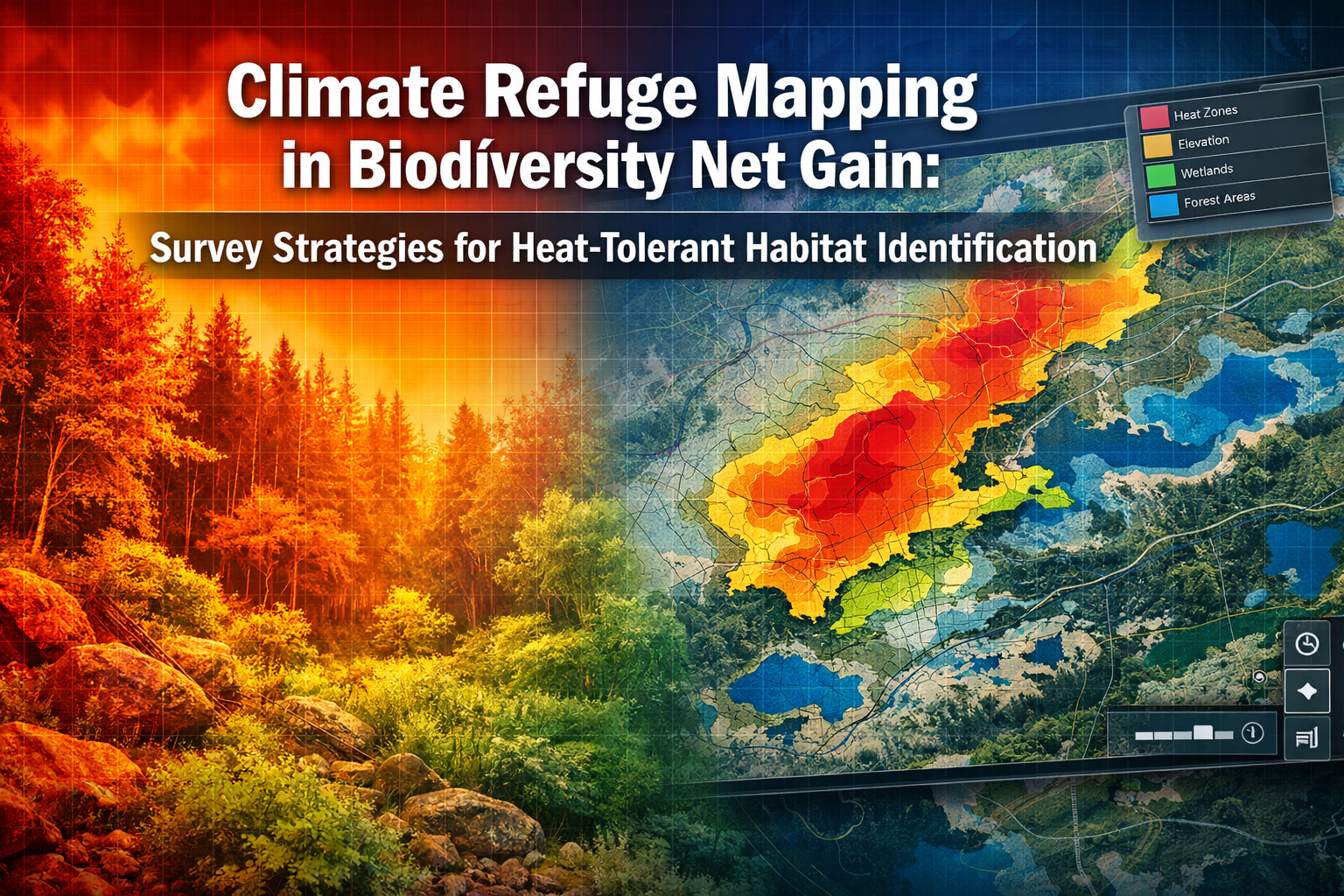
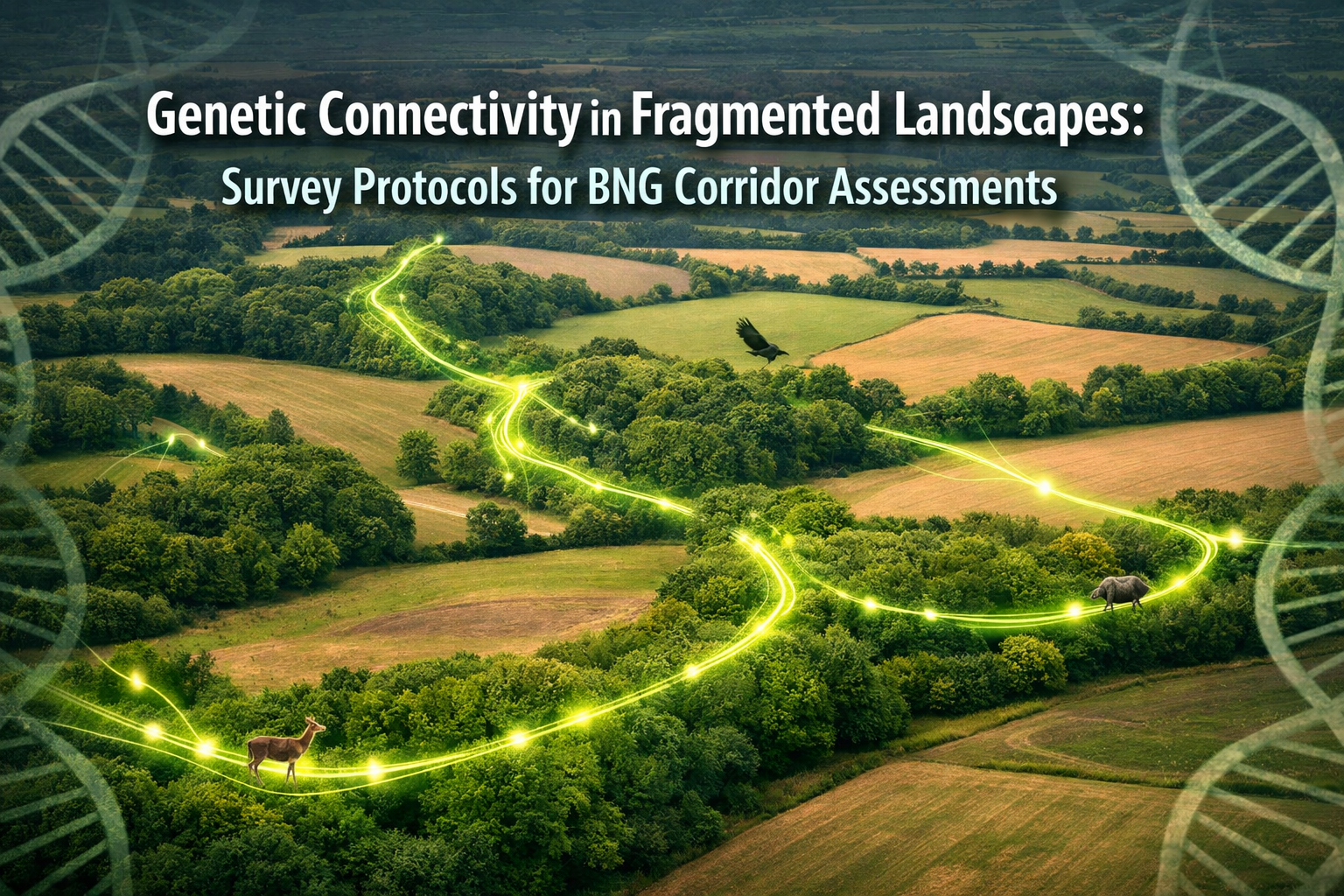
Altered nutrient cycles in agricultural landscapes now pose one of the most significant threats to achieving Biodiversity Net Gain (BNG) targets. Research shows that excess phosphorus and nitrogen can reduce habitat condition scores by up to 30%, directly undermining the mandatory 10% biodiversity uplift required since February 2024[1]. As development…
Coastal ecosystems process more than 80% of global nutrient runoff before it reaches the open ocean, yet traditional Biodiversity Net Gain (BNG) assessments often treat terrestrial and marine habitats as separate entities. This disconnect creates critical gaps in understanding how development projects truly impact estuarine biodiversity. In 2026, ecologists are…
Between 2000 and 2018, the Ganjingzi district witnessed a staggering 40% decline in total green space—from 359.57 km² to just 213.46 km²—with ecosystem functions including gas regulation, climate regulation, and water conservation weakening dramatically as fragmentation intensified [1]. This pattern repeats across urban fringe areas worldwide, where human pressures transform…
The Japanese beetle (Popillia japonica) was detected in Swiss vineyards several weeks before a single insect became visible to trained surveyors—not through sharper human eyes, but via autonomous drones collecting environmental DNA from leaf surfaces. This temporal advantage represents a fundamental shift in how conservation professionals establish biodiversity baselines, particularly…
Britain's rewilding movement has reached a critical inflection point: as of September 2025, 112 off-site Biodiversity Net Gain (BNG) projects covering over 4,000 hectares had been officially registered[1]. Yet behind these impressive numbers lies a more complex question—how do ecologists truly measure whether restored land is becoming ecologically functional, not…
Coastal development projects lose an estimated 30-40% of potential biodiversity value when survey teams treat land and sea as separate entities. This critical oversight occurs at the land-sea interface—the transitional zone where terrestrial and marine ecosystems merge, creating unique habitats that traditional survey methodologies consistently undervalue or entirely miss. As…
{"cover":"Professional landscape format (1536×1024) hero image with bold text overlay 'Tipping Points in Ecosystem Surveys: Early Warning Protocols for Biodiversity Surveyors Post-2026' in extra large 72pt white sans-serif font with dark gradient shadow, positioned center-upper third. Background shows split composition: left side displays field surveyor using tablet near wetland with…
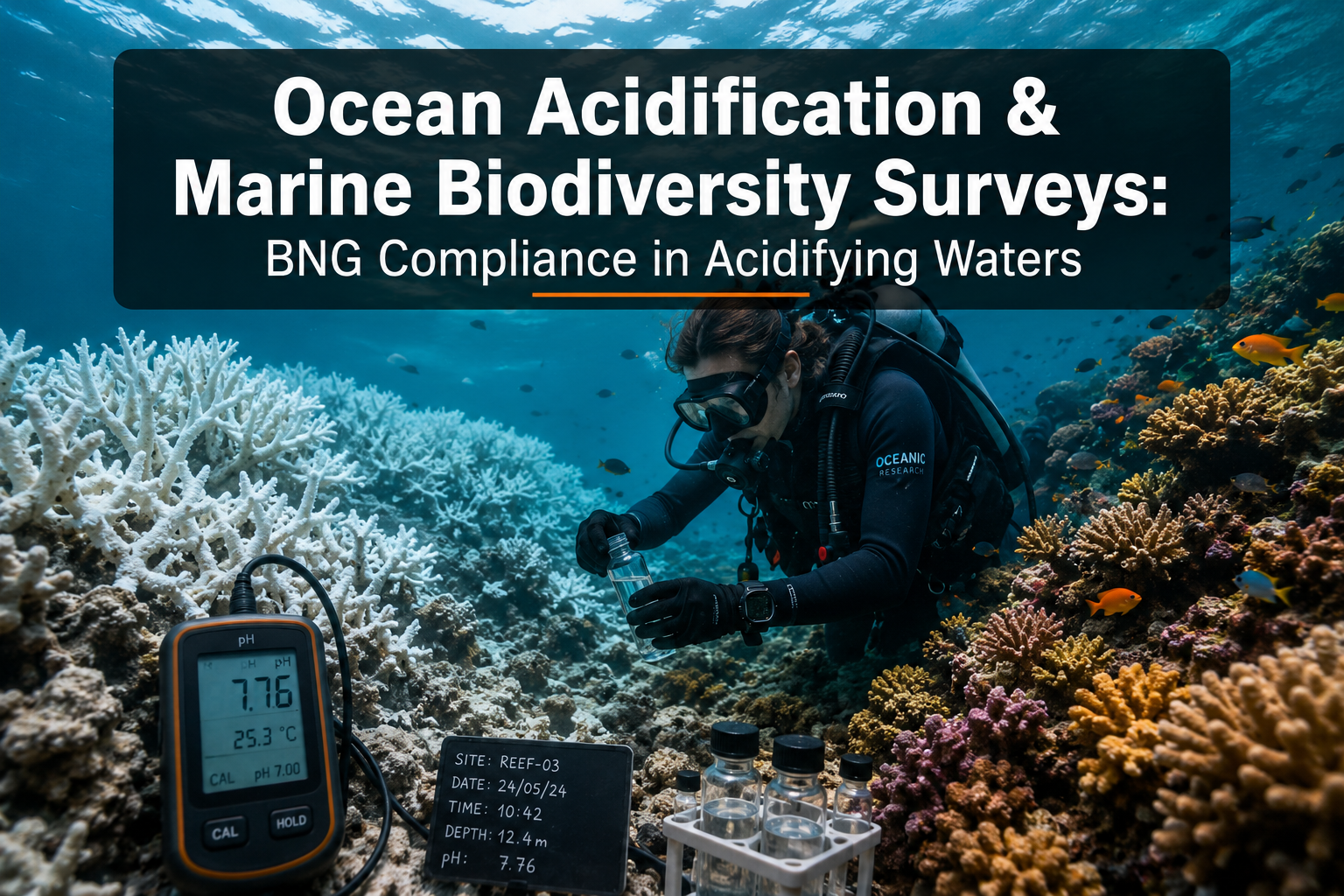
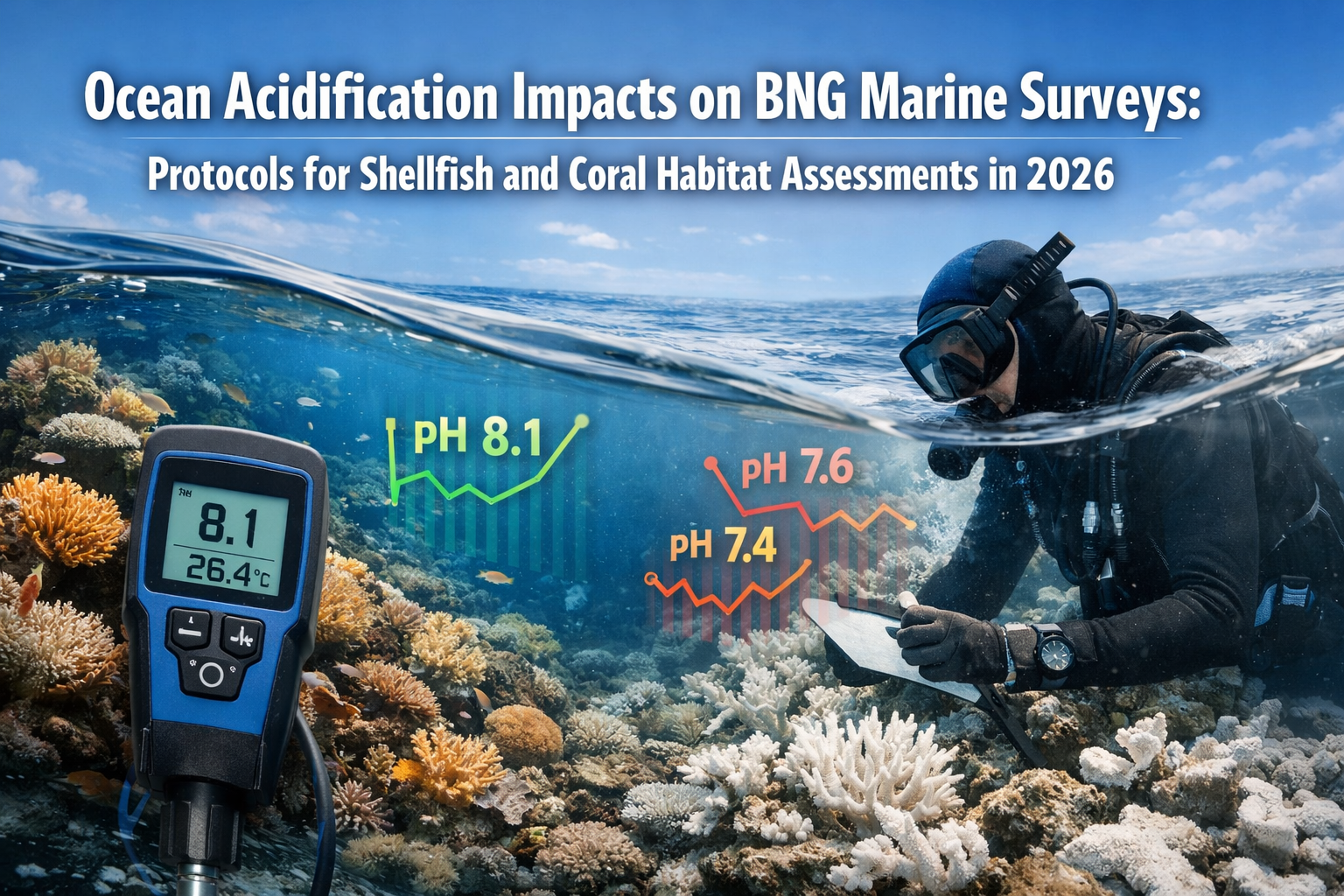
Ocean acidity has increased by 25-26% since pre-industrial times—a rate of change unprecedented in the last 2 million years [3]. For marine ecologists conducting coastal biodiversity surveys in 2026, this dramatic shift presents a fundamental challenge: the baseline itself is moving. Traditional survey protocols designed for stable pH conditions now…
Coastal ecosystems contribute approximately £48 billion annually to the UK economy, yet fewer than 15% of development projects adequately assess biodiversity impacts across the land-sea transition zone. As Biodiversity Net Gain (BNG) regulations mature in 2026, this critical oversight threatens both compliance and ecological integrity. The challenge facing coastal ecologists…
More than 80% of the UK population now lives in urban areas, yet these concrete jungles harbor surprising pockets of ecological value that could unlock millions in biodiversity credits. Since mandatory Biodiversity Net Gain (BNG) requirements took effect in February 2024, city ecologists face an unprecedented challenge: identifying, quantifying, and…
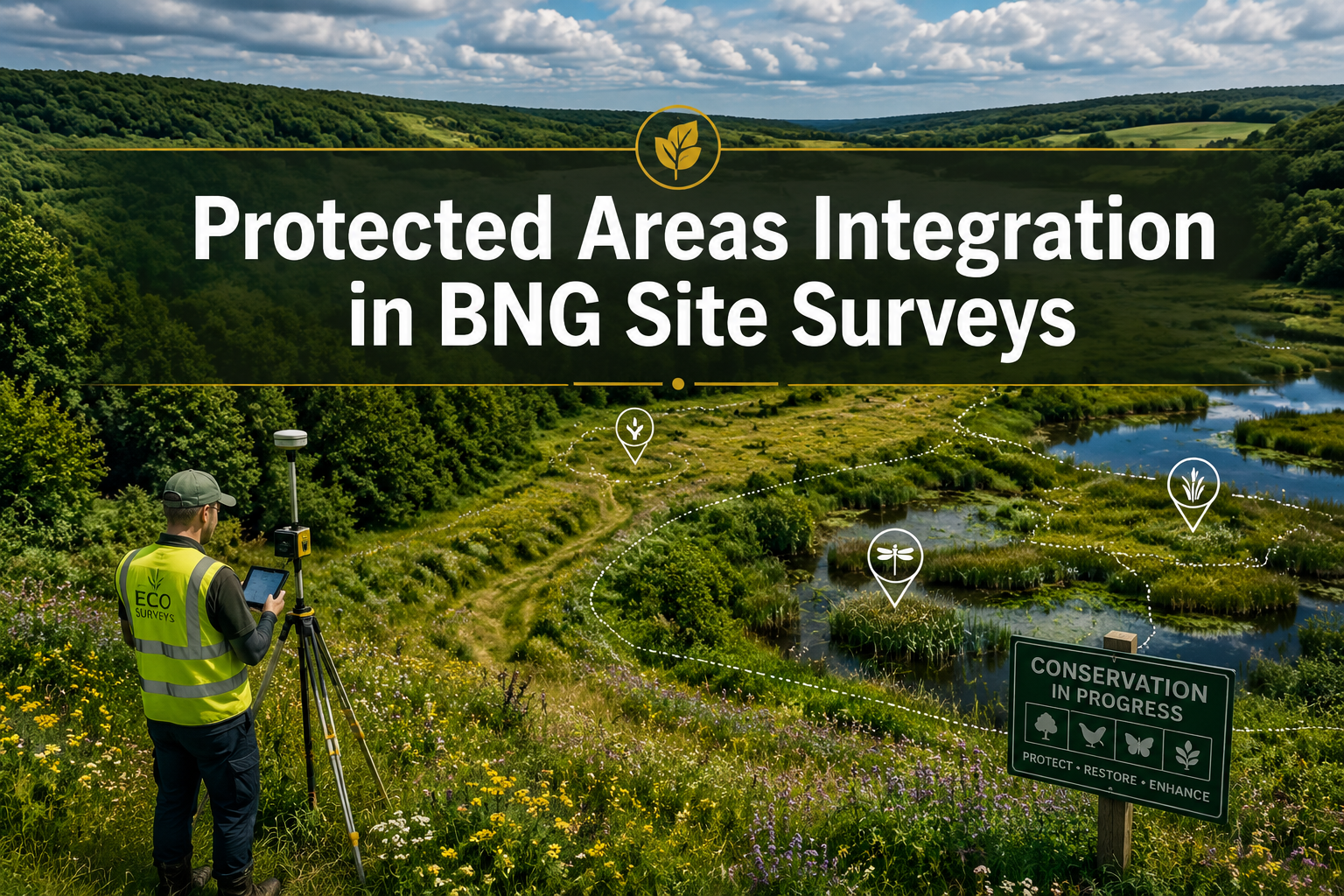
Less than 10% of the world's mycorrhizal fungi biodiversity hotspots fall within existing protected areas—a conservation blind spot that threatens the underground infrastructure supporting more than 80% of terrestrial plant species.[3] This revelation from 2026 global mapping research exposes a critical gap in how ecologists assess forest health and calculate…
Recent data reveals that 85% of UK ecosystems suffer from disrupted food webs due to historical apex predator losses—a statistic that underscores why Trophic Cascade Restoration Metrics: Surveyor Guides to Quantifying Predator Reintroductions in 2026 BNG Sites has become essential reading for biodiversity professionals. As Biodiversity Net Gain (BNG) legislation…
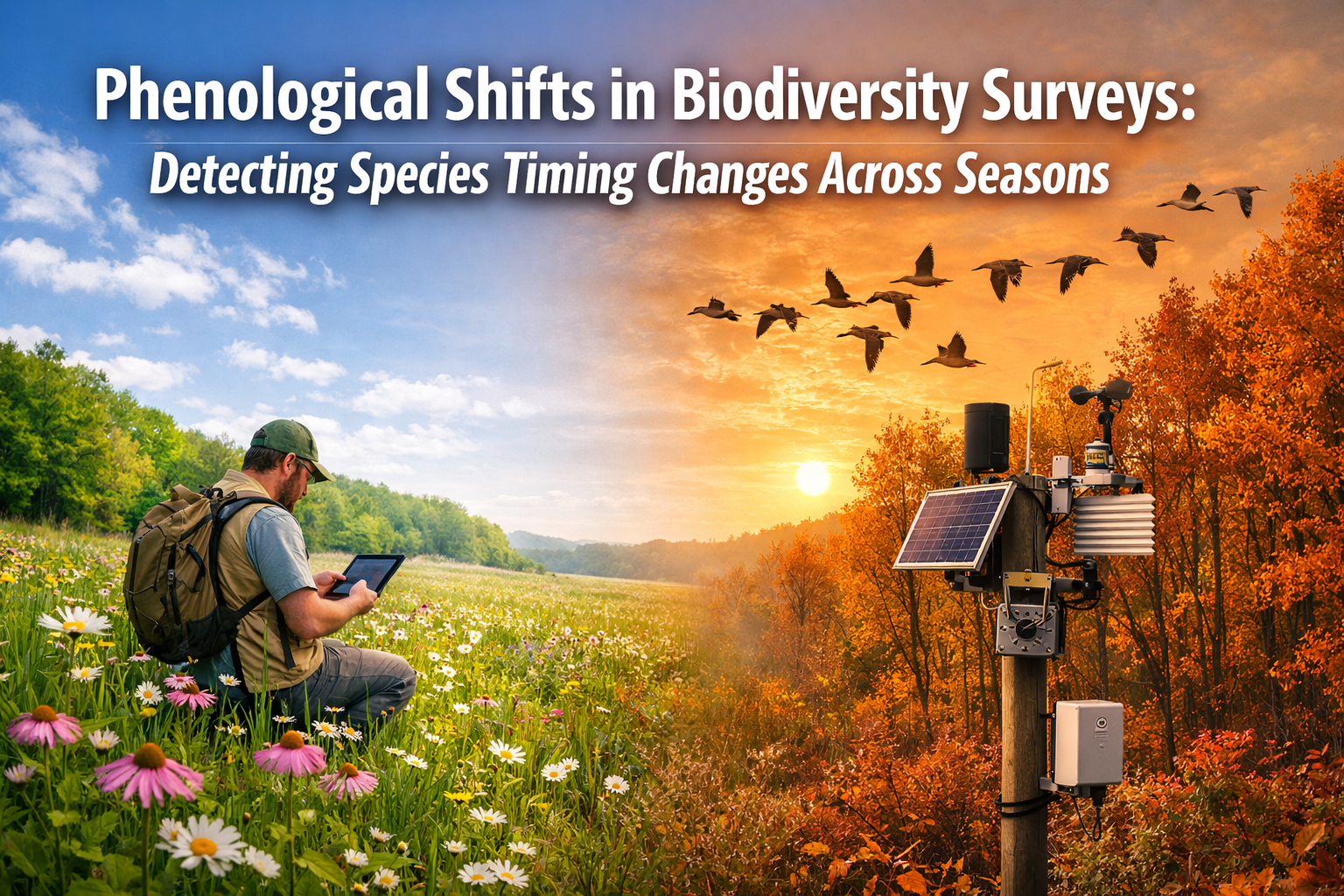
Tropical flowering plants are now blooming an average of 2.04 days later per decade—a shift documented across 230 years of herbarium specimens that reveals how climate change is quietly rewriting the seasonal calendars that govern plant-pollinator relationships [2]. This temporal disruption presents a critical challenge for biodiversity surveyors, ecologists, and…
Research reveals that edge effects penetrate up to one kilometer into forest fragments, with approximately 90% of beetle species responding significantly to habitat boundaries[1]. As development pressure intensifies across the UK, understanding and mitigating these edge effects has become critical for achieving meaningful biodiversity net gain outcomes. The challenge for…
Recent advances in satellite-based lidar technology have achieved canopy height mapping accuracy within 4.54 meters mean absolute error across African dense forests, marking a breakthrough moment for biodiversity assessments at unprecedented scales.[1] This level of precision transforms how environmental professionals approach Biodiversity Net Gain (BNG) requirements in 2026, particularly as…
Biodiversity Net Gain (BNG) assessments in 2026 measure visible species—birds, plants, insects—but overlook the invisible architects of ecosystem health: microbial communities. Recent research demonstrates that holobiont approaches, which examine organisms alongside their symbiotic microbiomes, provide "holistic insight into the range of ecological interactions between microbes and other organisms" and can…
{"cover":"Professional landscape format (1536×1024) hero image with bold text overlay 'Genetic Adaptation Tracking in Biodiversity Surveys: eDNA Protocols for Climate-Stressed Populations in 2026' in extra large 72pt white sans-serif font with dark gradient shadow, centered in upper third. Background shows split scene: left side features scientist in field gear collecting…
Recent discoveries in Lake Tanganyika reveal that cooperative breeding evolved independently at least seven times across different fish species over the past 4 million years—a finding that fundamentally changes how biodiversity surveyors should assess freshwater ecosystem resilience in 2026[2]. This groundbreaking research demonstrates that social dynamics among aquatic species provide…
Rural settlements cause 3.5 times more biodiversity loss than cities [4]. This startling statistic reveals a hidden crisis: while urban sprawl captures headlines, the quiet expansion of low-density rural development and associated road networks is silently fragmenting habitats at unprecedented rates. Between 2000 and 2020, rural settlements expanded into 2.3…
When University of Aberdeen researchers analyzed AI-generated rewilding landscapes in early 2026, they discovered a troubling pattern: every major chatbot produced nearly identical sanitized visions featuring distant hills, golden meadows, streams, and photogenic ponies—while systematically omitting decay, invertebrates, amphibians, and the messy ecological processes that define genuine ecosystem recovery[1][2]. This…
Recent research reveals that soil microbial communities subjected to 10 years of recurrent drought demonstrate faster recovery rates and enhanced stress tolerance compared to communities experiencing single drought events—a phenomenon ecologists now recognize as "microbial memory" that could revolutionize how we measure and predict ecosystem resilience. As climate extremes intensify…
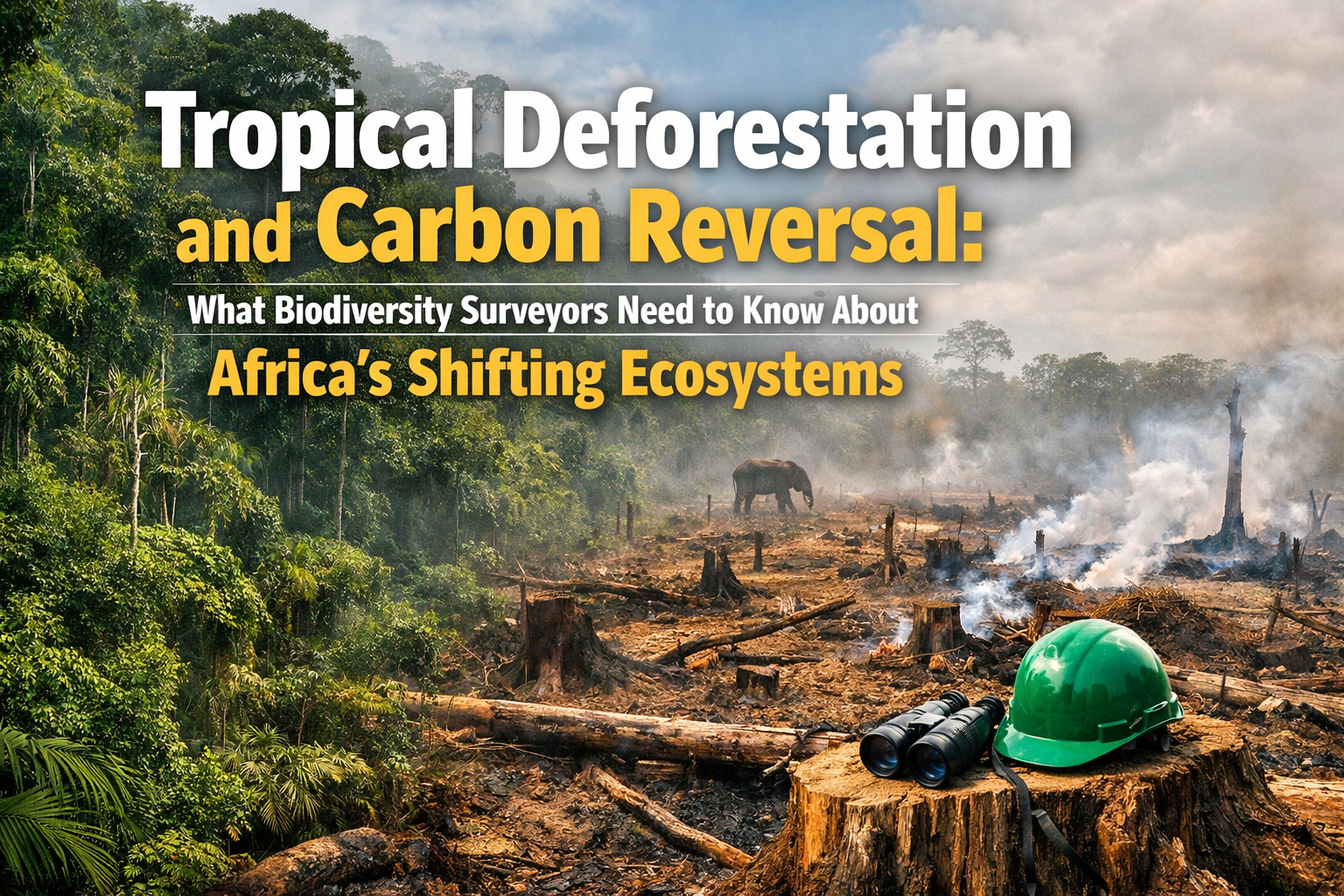
Deforestation claimed 4.1 million hectares of tropical forest in 2023 alone—an area larger than the Netherlands—yet fewer than 15% of protected tropical zones possess reliable baseline biodiversity data. This critical knowledge gap undermines every conservation commitment, restoration project, and biodiversity net gain initiative attempting to reverse ecosystem collapse. As 2026…
Up to half of all tropical insect species could experience dangerous heat stress or complete heat coma within just eight hours of exposure to temperatures scientists now predict for 2100[1]. This stark finding from a landmark Nature study published in March 2026 fundamentally changes how ecologists must approach biodiversity surveys…
A recent analysis revealed that over 40% of corporate rewilding projects report ecosystem recovery metrics that cannot be verified through independent field surveys. As artificial intelligence models promise to predict biodiversity outcomes with unprecedented accuracy, the gap between algorithmic optimism and muddy boots reality has never been wider. This disconnect…
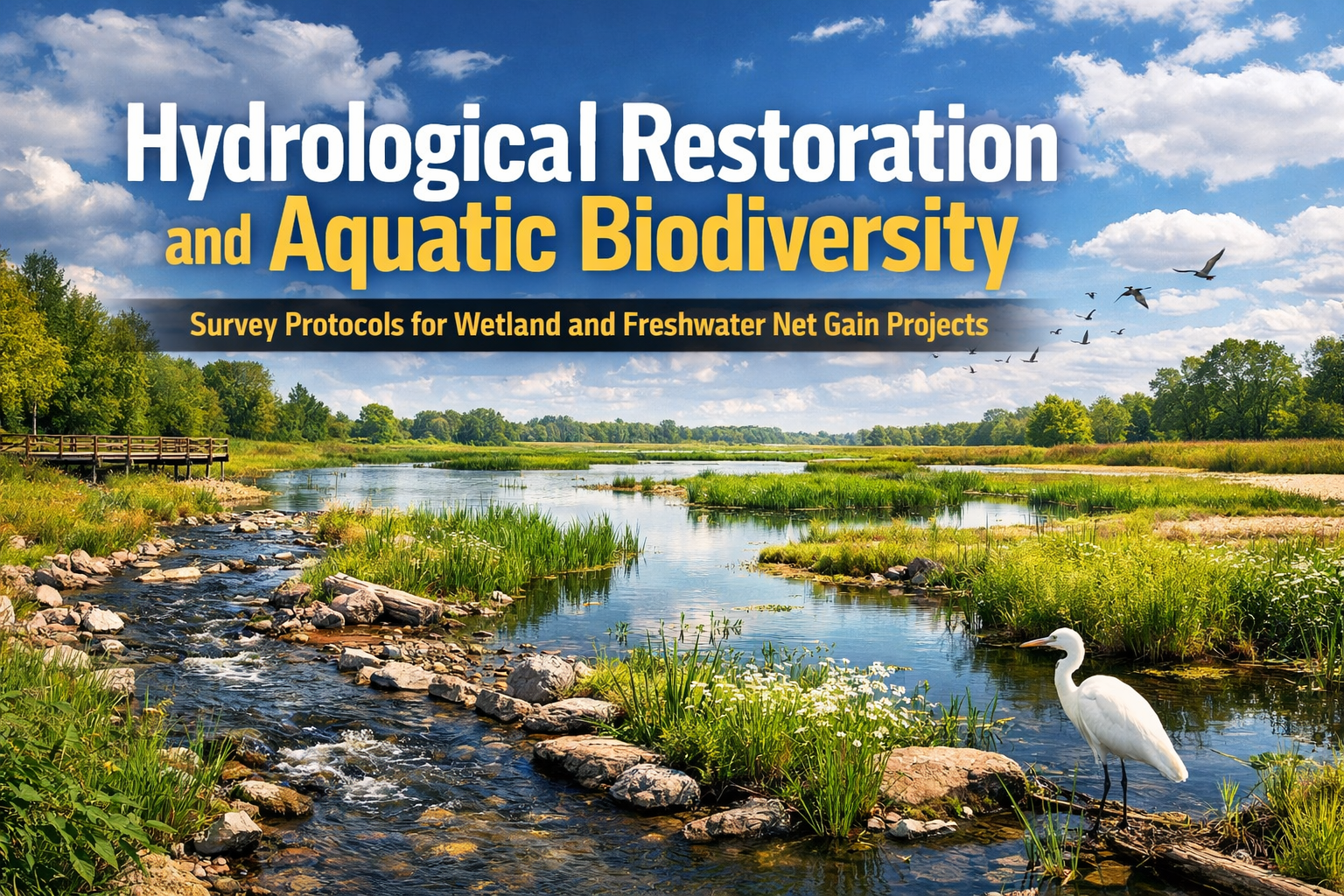
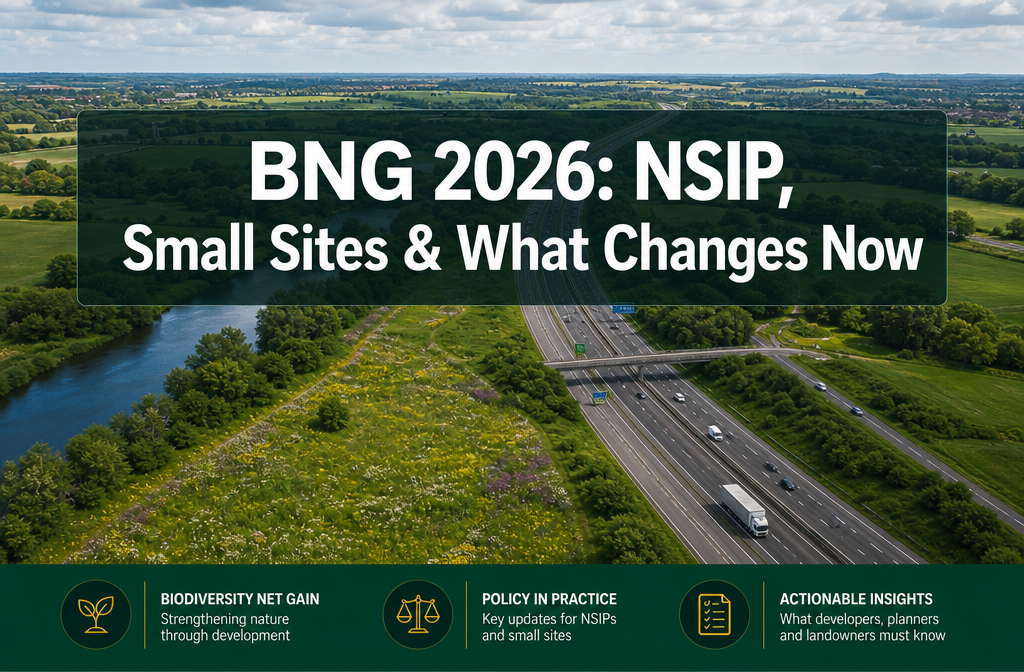
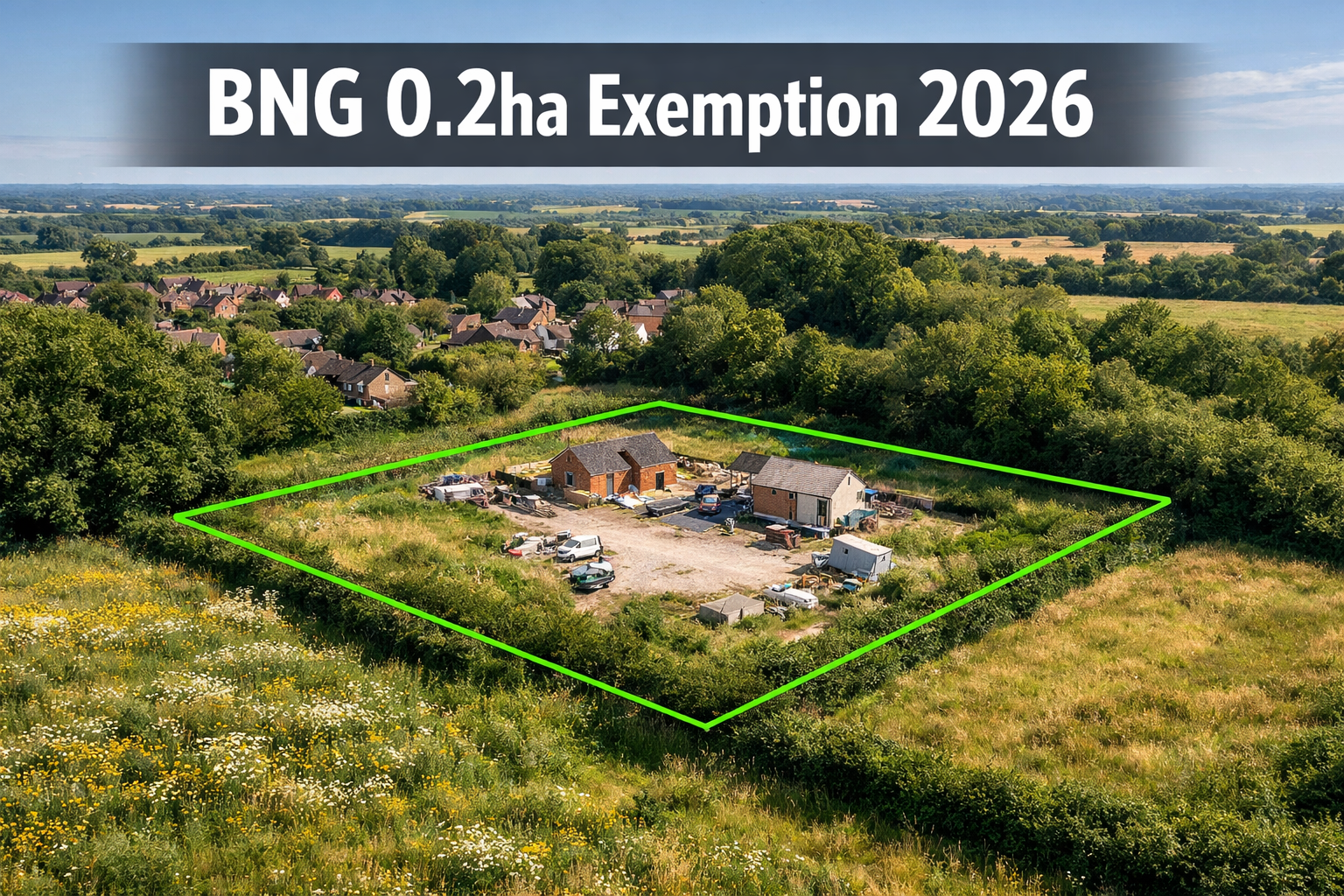
Recent policy shifts in 2026 have introduced a 0.2-hectare exemption for smaller developments under UK Biodiversity Net Gain regulations, fundamentally changing how surveyors must validate nature-based interventions across project scales. As these regulatory adjustments reshape the landscape, ecologists face mounting pressure to demonstrate measurable outcomes that satisfy both environmental objectives…
Traditional biodiversity surveys miss up to 40% of micro-habitat changes that determine species survival—shifts in soil chemistry, magnetic field variations affecting pollinator navigation, and minute temperature gradients that traditional sensors simply cannot detect. As climate pressures accelerate in 2026, the integration of Quantum Sensing Breakthroughs in Biodiversity Surveys: Field Protocols…
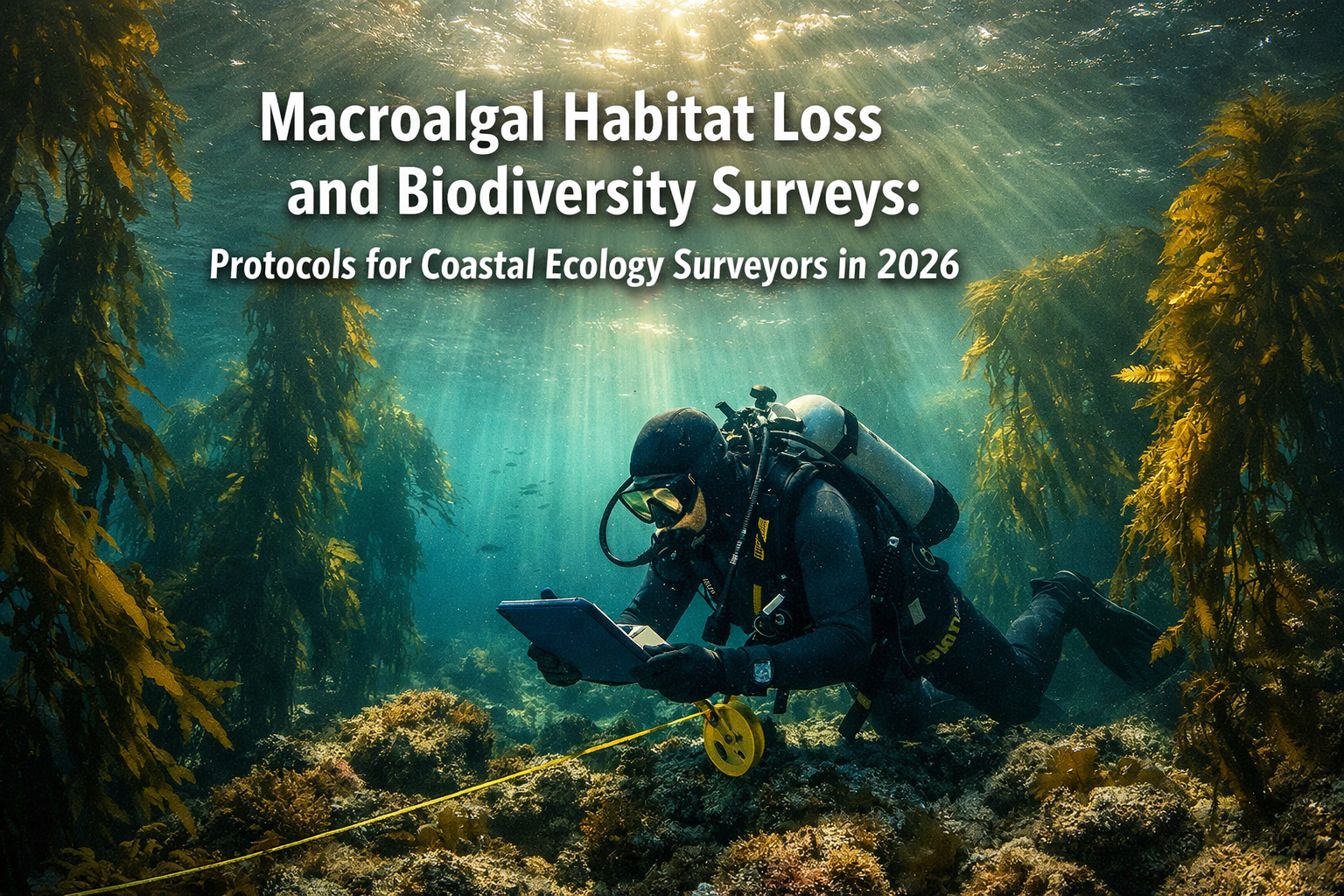
Where land meets sea, biodiversity doesn't stop at arbitrary boundaries—yet most assessment protocols still do. A recent 2026 Global Horizon Scan identified the projected loss of macroalgal habitats, including kelp forests, as a critical vulnerability in coastal ecosystems facing warming and extreme events.[4] This emerging threat underscores why Coastal Ecosystem…
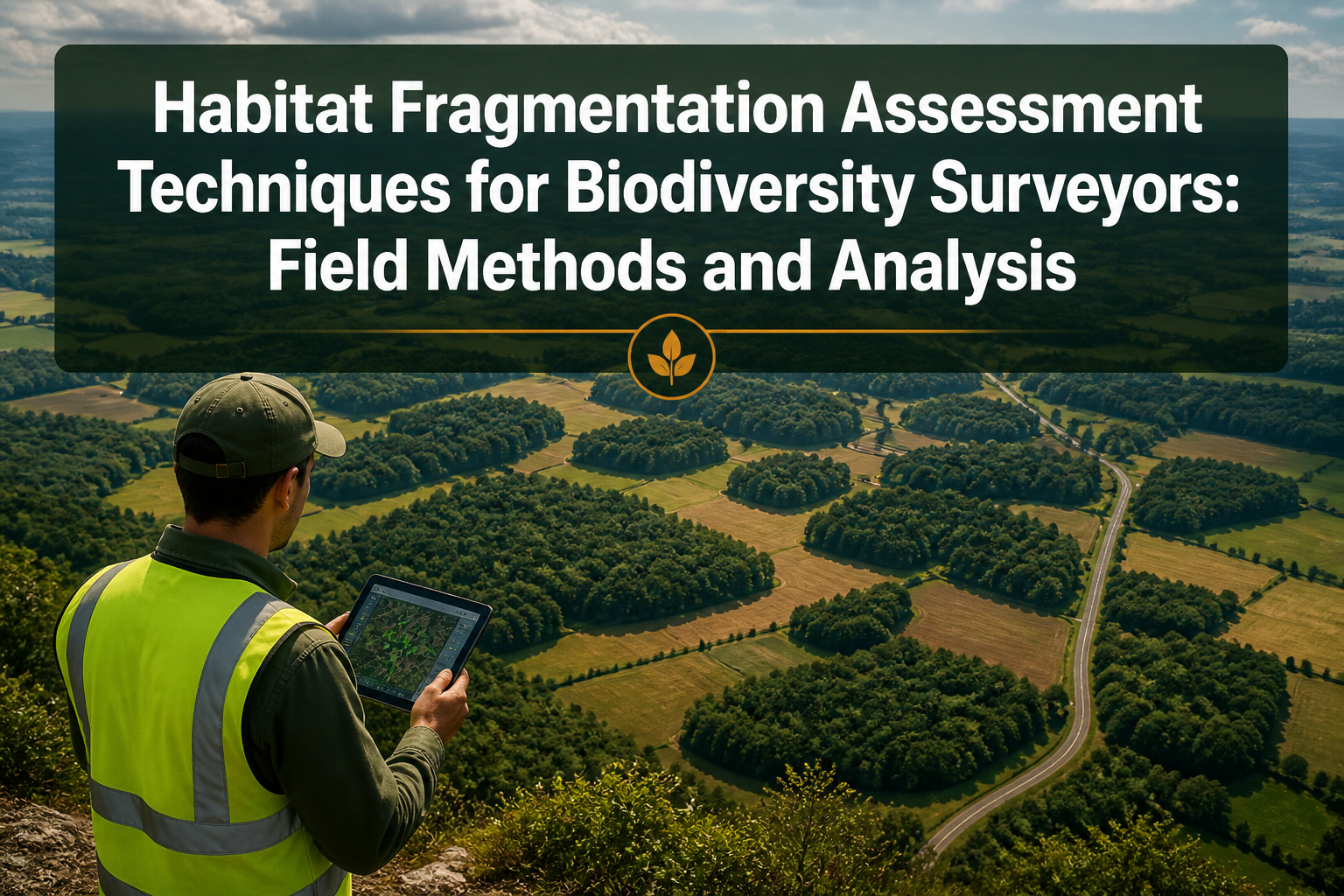
Habitat fragmentation now affects 70% of the world's remaining forests, with the average distance between forest patches decreasing species survival rates by up to 50% in some regions. As development pressures intensify across the UK and globally, biodiversity surveyors face a critical challenge: traditional site-based assessments no longer capture the…
Soil beneath our feet holds memories. When drought strikes an ecosystem, microscopic communities of bacteria and fungi don't simply disappear—they adapt, persist, and retain information about past stress events. This microbial memory, scientists now understand, directly influences which plant and animal species will survive future droughts. In 2026, as soil…