

A single announcement on 2 October 2026 has quietly rewritten the safety net that thousands of planning applications have relied on for years. Natural England will concentrate its bespoke, case-by-case advice on high-risk and strategically significant proposals, with routine matters supported by standing advice and upfront guidance. If your scheme is not flagged as high risk, there may be no tailored response from Natural England at all, just standing advice and a published checklist. For developers, architects, landowners and planning consultants working through biodiversity net gain (BNG) obligations, this is not a minor administrative tweak. It changes who carries the burden of proof.
This article explains what Natural England's refocus on Natural England planning advice high-risk cases October 2026 biodiversity net gain decisions actually involves, what is likely to count as high risk, and how applicants can prepare to avoid delay once the bespoke safety net is gone.
Key Takeaways
- Announced on 2 October 2026, Natural England will concentrate its individual case advice on high-risk and environmentally significant proposals, moving routine matters onto standing advice and upfront guidance, with the change introduced gradually and transition support provided.
- Statutory protections for habitats, species and designated sites remain unchanged, only the way Natural England engages with applications is shifting.
- Change will be phased in gradually with transition support, alongside the government's wider reform of the statutory consultee system.
- Applicants without a robust Preliminary Ecological Appraisal, protected species surveys and a correctly completed biodiversity metric risk delay or refusal, because there is no Natural England comment to fall back on.
- Mandatory 10% BNG, the summer 2026 small-sites exemption, and the November 2026 extension to Nationally Significant Infrastructure Projects all continue to apply regardless of this change.
What Natural England Announced on 2 October 2026
Natural England confirmed it is adopting a new strategic approach to statutory planning advice. Rather than issuing repeated, bespoke comment on routine applications, it will focus its expert resource on high-risk proposals and those carrying significant environmental implications. Chief Executive Neil Hornby said: "This change will help us focus expertise where impact for nature is greatest, while supporting efficient planning decisions."
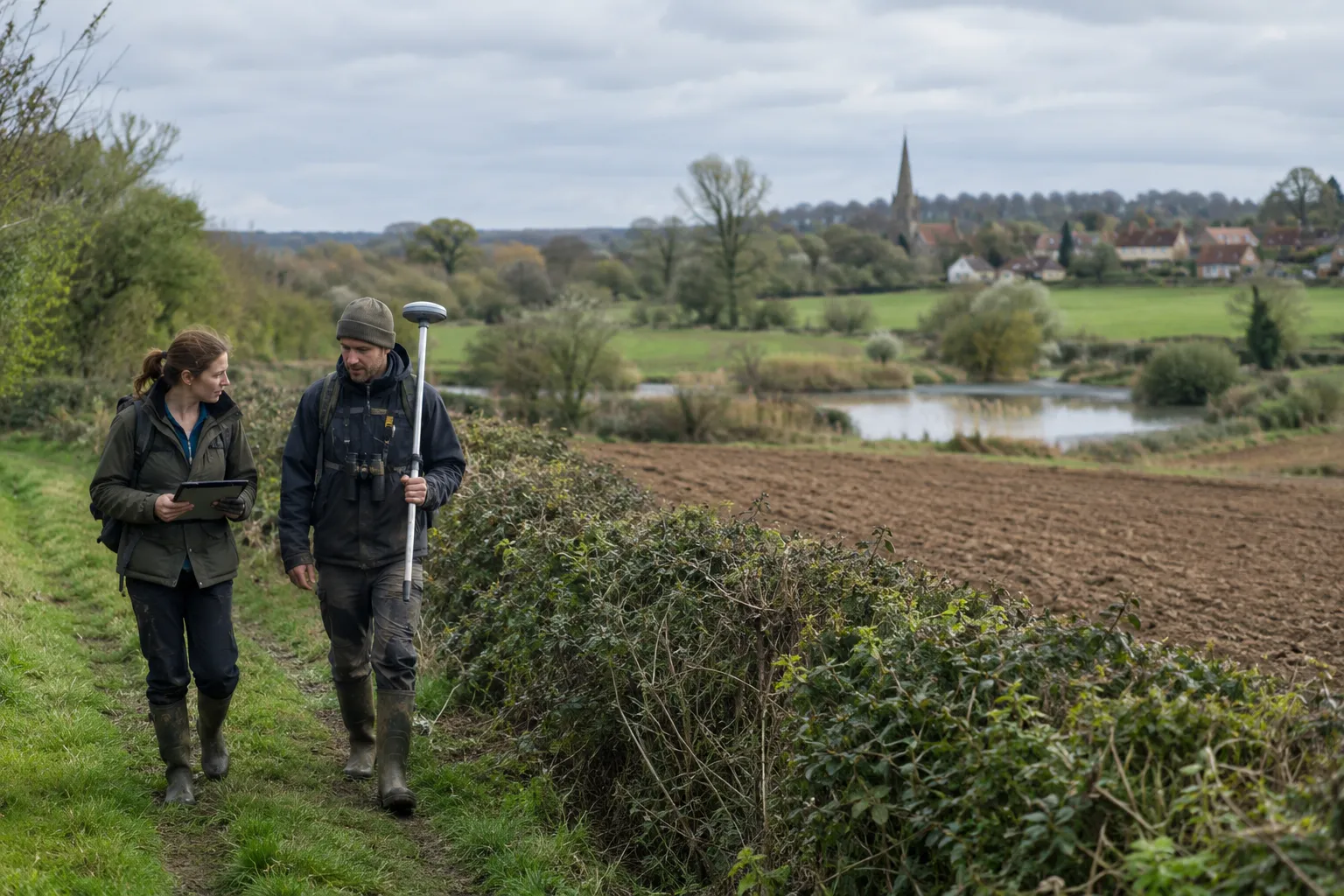
Natural England says it will engage earlier on complex and strategic cases, getting involved before formal consultation rather than after submission, and that the transition will happen gradually, with support for applicants, local planning authorities and consultants as the new model beds in. Crucially, the statutory protections attached to habitats, species and designated sites have not changed. What has changed is Natural England's working method, not the underlying law.
The Strategic Approach Explained: Why It Sits Alongside Wider Reform
This refocus does not exist in isolation. It sits alongside the government's broader reform of the statutory consultee system, which aims to speed up planning decisions across England. By pulling back from routine commentary, Natural England intends to redirect its ecologists toward the sites where the stakes for nature are genuinely highest.
For routine applications, the expectation is that local planning authorities, their own ecologists, and the applicant's ecological consultant will use published standing advice to reach a decision without waiting for bespoke sign-off. This is the central practical shift behind Natural England planning advice high-risk cases October 2026 biodiversity net gain handling: less hand-holding, more reliance on competent, upfront evidence.
Routine vs High-Risk: How Case Handling Will Differ
The table below sets out, based on Natural England's published position, the broad distinction between how routine and high-risk cases are expected to be handled.
| Feature | Routine Cases | High-Risk Cases |
|---|---|---|
| Natural England involvement | Standing advice and published guidance only | Case-by-case, bespoke advice |
| Timing of engagement | Applicants should plan for no individual pre-application input | Applicants should plan for earlier engagement, potentially before formal consultation |
| Evidence relied upon | Applicant's own PEA, surveys and BNG metric | Site-specific dialogue plus applicant evidence |
| Risk if evidence is weak | Delay or refusal, with no Natural England comment to lean on | Applicants should plan for the possibility of iterative feedback, though this is not guaranteed |
| Statutory protections | Unchanged | Unchanged |
What "High-Risk" Is Likely to Capture
Natural England has not published an exhaustive list. In Biodiversity Surveyors' assessment, based on Natural England's stated focus on proposals with significant environmental implications, certain recurring categories are likely to be treated as high risk. These are likely to include sites within or near Sites of Special Scientific Interest (SSSIs), Special Areas of Conservation, Special Protection Areas and Ramsar sites, as well as schemes falling within nutrient-neutrality catchments. Proposals affecting irreplaceable habitats, ancient woodland, veteran trees, blanket bog and similar habitats that cannot be recreated, are also expected to remain firmly within the case-by-case category, given their legal and ecological sensitivity.
Everything else, the ordinary housing extension, the small commercial unit, the agricultural barn conversion, is the territory where standing advice now does the heavy lifting.
Standing Advice Is a Starting Point, Not a Substitute for a Survey
Standing advice already exists for several protected species and habitat risk categories, including great crested newts, bats, badgers and SSSI impact risk zones. It tells applicants what Natural England would typically expect to see and how to assess likely risk without asking for a personal response. That is useful, but it is generic by design. It cannot tell you whether a specific pond on your site holds a breeding population of newts, whether a barn roof has an active bat roost, or whether a hedgerow forms part of a badger's foraging range.
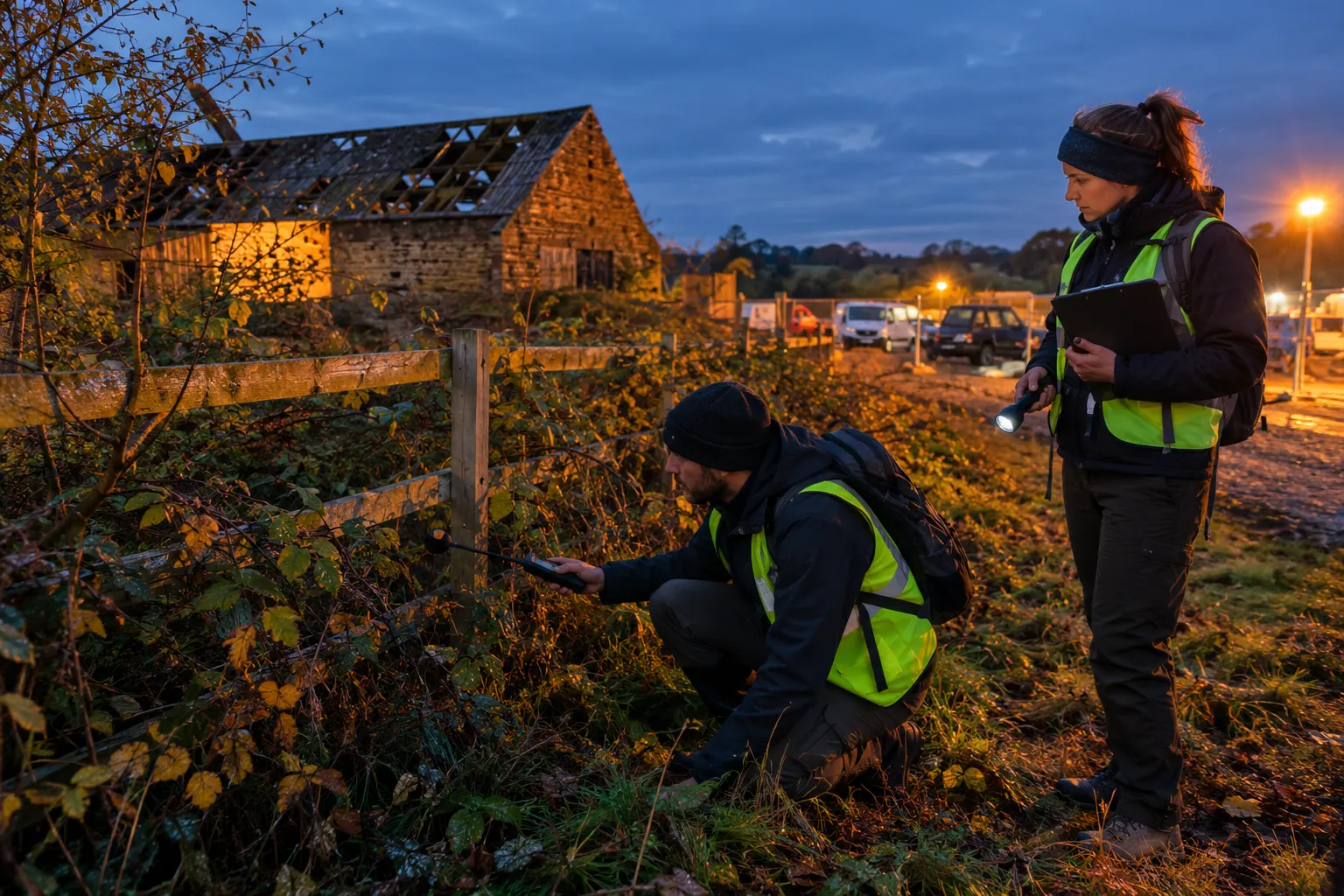
Treating standing advice as a tick-box replacement for a proper survey is one of the most common, and now riskier, mistakes an applicant can make. Our article on achieving biodiversity net gain without the risk covers this distinction in more depth.
What This Means for Developers, Consultants and LPA Ecologists
Responsibility is shifting downward. Local planning authority ecologists and applicants' own consultants must now do more of the risk assessment that Natural England previously helped validate on a case-by-case basis. Planners reviewing applications should expect to rely more heavily on the competence of the submitted ecological evidence rather than an independent Natural England check.
For planning professionals navigating this shift, our guides on 8 things you need to know about biodiversity net gain as a planner and top questions by planners about biodiversity net gain set out the fundamentals that now carry more weight at validation stage.
How to Prepare Your Application to Avoid Delay
Survey Seasons and Timing
Many protected species surveys, great crested newts, bats, breeding birds, are tied to specific seasonal windows. Missing a survey window can push a submission back by months. With less bespoke Natural England input to smooth over gaps, getting survey timing right at the outset matters more than ever.
BNG Metric and Habitats Regulations Assessment Screening
A properly completed statutory biodiversity metric remains central to any application subject to mandatory BNG. Errors or optimistic assumptions in the metric are more likely to be challenged by the local authority directly, without Natural England available to arbitrate informally. Our explainer on what is in a biodiversity net gain assessment covers the core components applicants need to get right first time, and 8 biodiversity net gain points on planning your project is a useful pre-submission checklist. Where a scheme may affect a European site, Habitats Regulations Assessment screening evidence should be prepared early and thoroughly.
District Level Licensing
Where great crested newt impacts are a possibility, district level licensing schemes remain a practical route to compliance without bespoke Natural England casework. Confirming eligibility and payment early avoids last-minute scrambling.
Developers planning ahead more broadly should also review how to create a biodiversity plan for developers building projects in England and the core Biodiversity Net Gain page for current obligations.
BNG Context: Small Sites Exemption and the NSIP Extension
None of this changes the underlying BNG framework. Mandatory 10% biodiversity net gain under the Environment Act 2021 continues to apply to most development in England, although a small-sites exemption introduced in summer 2026 removes sites under 0.2 hectares with fewer than 10 dwellings, and BNG is extended to Nationally Significant Infrastructure Projects from November 2026. Natural England's advice refocus runs alongside these obligations, it does not replace or reduce them.
What We Don't Know Yet
Natural England has been clear that full operational detail will emerge gradually, with transition support for stakeholders as the new approach rolls out. Exact thresholds for what triggers high-risk treatment, the precise content of new standing advice, and timelines for different case types have not all been published yet. Applicants and consultants should check Natural England's published guidance regularly rather than relying on this summary alone.
FAQ
Does this change reduce legal protection for wildlife?
No. Natural England has confirmed statutory protections for habitats, species and designated sites are unchanged. Only its method of engaging with planning applications has shifted.
Will every application now get no Natural England comment?
No. High-risk and environmentally significant proposals will still receive bespoke, case-by-case advice, often earlier in the process than before.
Is standing advice legally binding?
Standing advice is guidance, not a site-specific assessment. Applicants still need their own survey evidence to demonstrate compliance.
Does mandatory BNG still apply to my project?
Yes. The 10% BNG requirement under the Environment Act 2021 continues, alongside the summer 2026 small-sites exemption and the November 2026 extension to NSIPs.
What happens if my ecological evidence is weak?
Without a Natural England comment to rely on for routine cases, weak or incomplete evidence is more likely to result in delay or refusal at local authority level.
Conclusion
Natural England's October 2026 refocus hands more responsibility to applicants, their ecological consultants and local planning authority ecologists. The statutory rules on habitats, species and net gain have not softened, if anything, the margin for error on routine applications has narrowed, because there is less bespoke Natural England commentary to fall back on. The practical answer is the same one that has always underpinned strong applications: a competent Preliminary Ecological Appraisal, properly timed protected species surveys, and an accurately completed biodiversity metric submitted with the application, not added as an afterthought.
Biodiversity Surveyors prepares exactly this evidence base for developers, consultants and landowners across England. Contact Biodiversity Surveyors today to get your Preliminary Ecological Appraisal, protected species surveys and statutory biodiversity metric in order before you submit, and keep your project moving under the new system.