

eDNA Metabarcoding Advances for Arthropod Biodiversity Surveys: 2026 Protocols for Ecologists
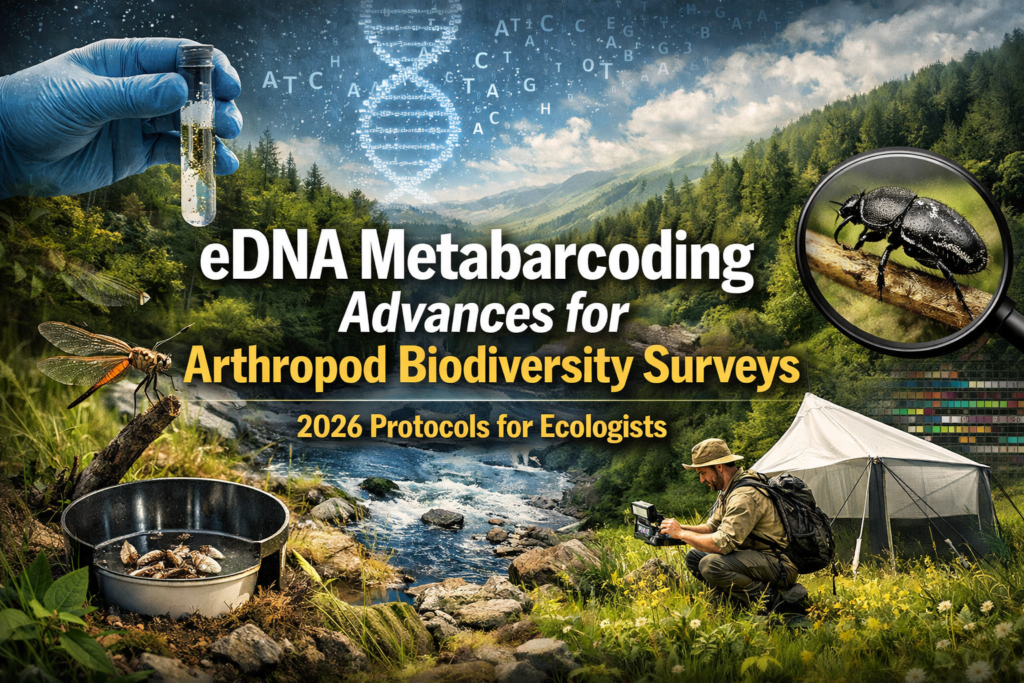
} Arthropod populations have declined by more than 75% in some protected areas over the past three decades, yet traditional survey methods still miss up to 60% of species present in terrestrial habitats. As ecologists face mounting pressure to establish accurate biodiversity baselines for conservation planning and regulatory compliance, environmental DNA (eDNA) metabarcoding has emerged […]
Rewilding Project Evaluations for Biodiversity Net Gain: Field Surveyor Metrics for Ecosystem Recovery in 2026
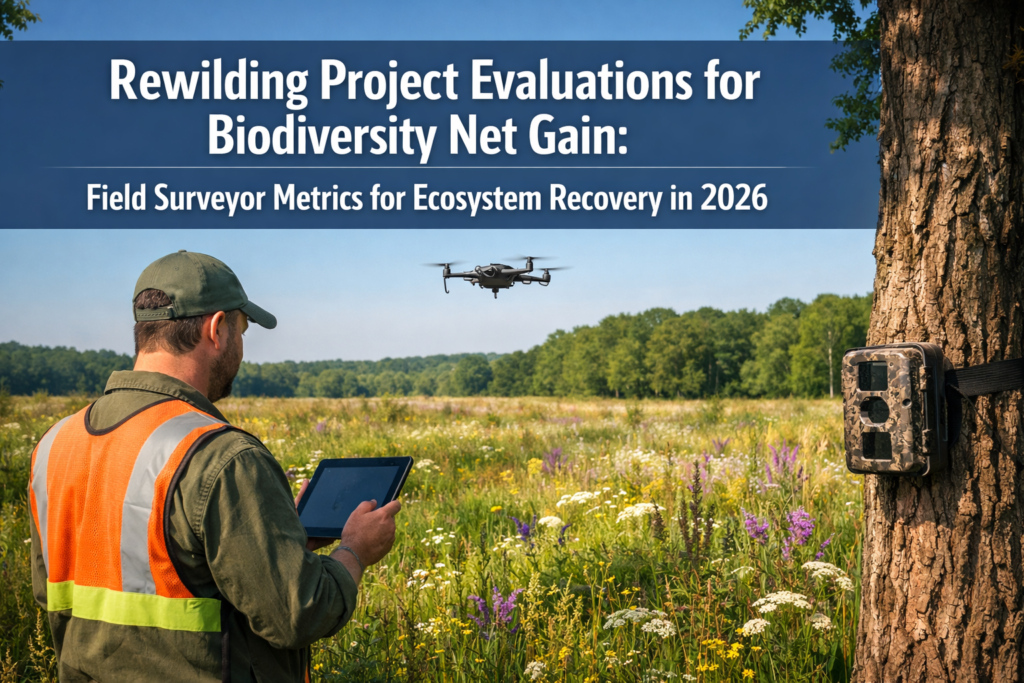
Field surveys at the Knepp Estate revealed a startling truth: rewilded land contains approximately twice the biodiversity richness of conventional arable farmland, with 33% more pollinator species and 25% more beneficial fungus species. As the UK's mandatory 10% Biodiversity Net Gain (BNG) requirement enters its third year of enforcement in 2026, field surveyors face unprecedented […]
Climate Refuge Mapping in Biodiversity Net Gain: Survey Strategies for Heat-Tolerant Habitat Identification
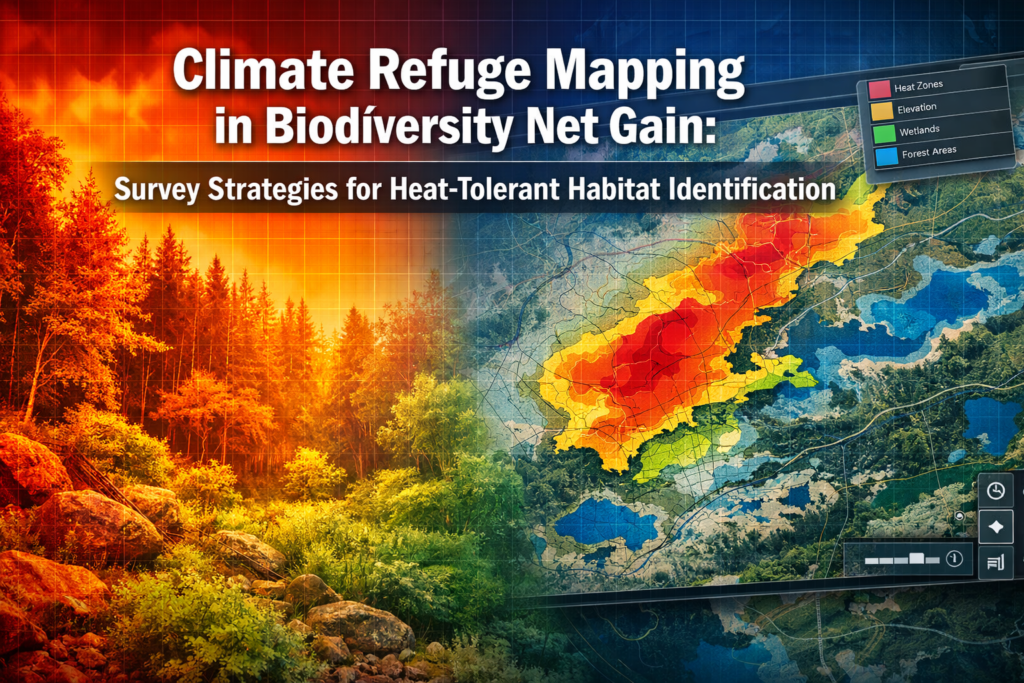
Recent research reveals a stark reality: approximately 13% of globally important biodiversity-rich land overlaps with areas designated for carbon dioxide removal projects, creating unprecedented conflicts between climate mitigation and habitat preservation [1]. As temperatures continue rising in 2026, identifying climate refugia—those critical pockets where species can persist despite warming—has become essential for effective Climate Refuge […]
Genetic Connectivity in Fragmented Landscapes: Survey Protocols for BNG Corridor Assessments
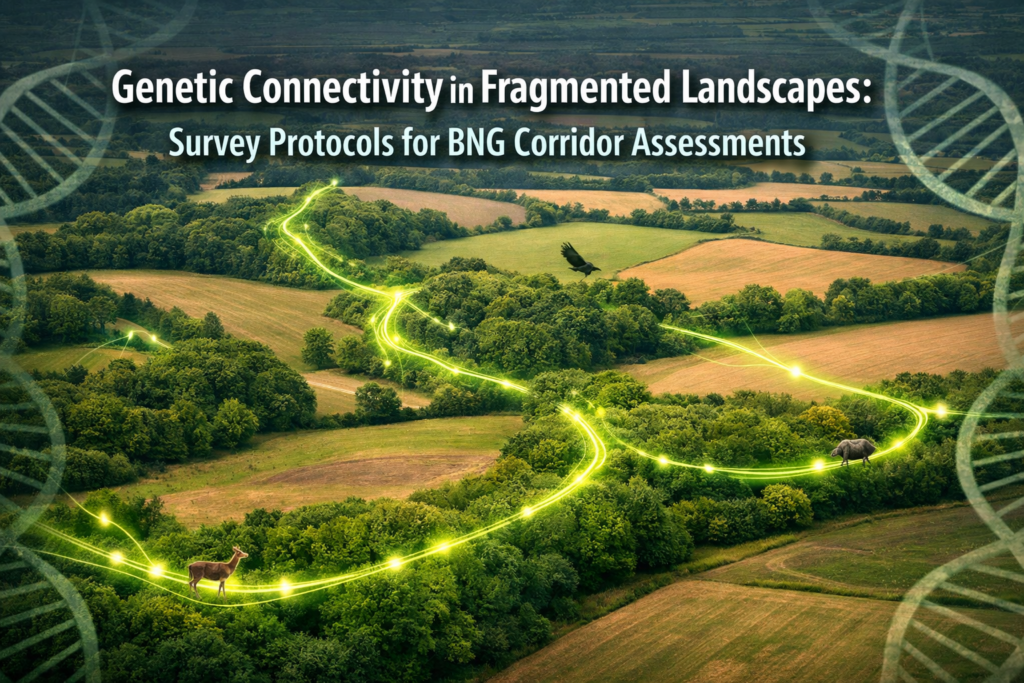
Landscape fragmentation now affects over 70% of remaining forests worldwide, creating isolated habitat patches that threaten long-term population viability for countless species. As urbanization accelerates across England in 2026, Genetic Connectivity in Fragmented Landscapes: Survey Protocols for BNG Corridor Assessments have emerged as essential tools for ecologists designing wildlife corridors that genuinely enhance biodiversity rather […]
Soundscape Ecology for Acoustic Biodiversity Monitoring: Tools and Protocols for 2026 Surveyors
A single bat species can emit over 200 echolocation calls per minute while hunting—yet traditional visual surveys miss 90% of nocturnal wildlife activity. This gap between what exists in nature and what surveyors document has driven the rapid adoption of Soundscape Ecology for Acoustic Biodiversity Monitoring: Tools and Protocols for 2026 Surveyors as an essential […]