

Deep Sea Mining Risks: Biodiversity Survey Techniques for Surveyors in Emerging 2026 Extraction Zones

The ocean floor, once considered too remote and challenging to exploit, has become the next frontier for industrial extraction. As 2026 unfolds, deep sea mining has emerged as one of the most pressing environmental threats facing our planet's least-explored ecosystems. With recent regulatory changes dramatically accelerating access to the seabed, biodiversity surveyors now face an […]
Soil Inoculation for Ecosystem Restoration: Field Protocols for 2026 Biodiversity Net Gain Projects
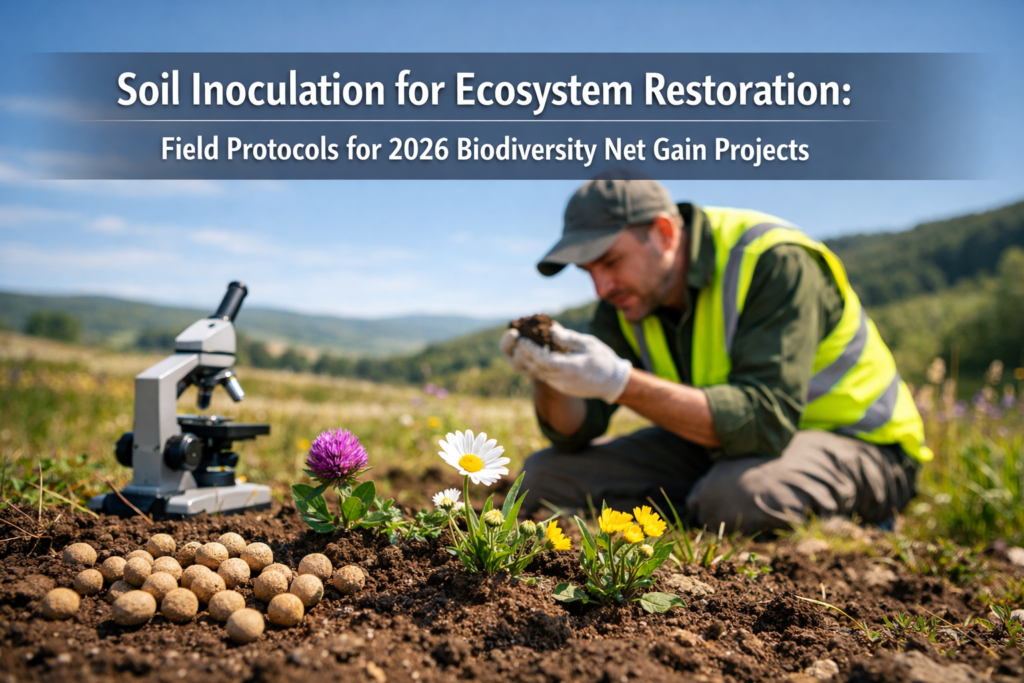
The soil beneath our feet holds an invisible world that determines whether ecosystem restoration succeeds or fails. As 2026 progresses, soil inoculation has emerged as a promising intervention identified in horizon scans, offering ecologists and land managers a powerful tool to accelerate recovery in degraded landscapes. With biodiversity net gain (BNG) requirements now mandatory across […]
Southern Ocean Biophysical Shifts: 2026 Biodiversity Survey Protocols for Ecologists Amid Accelerating Changes
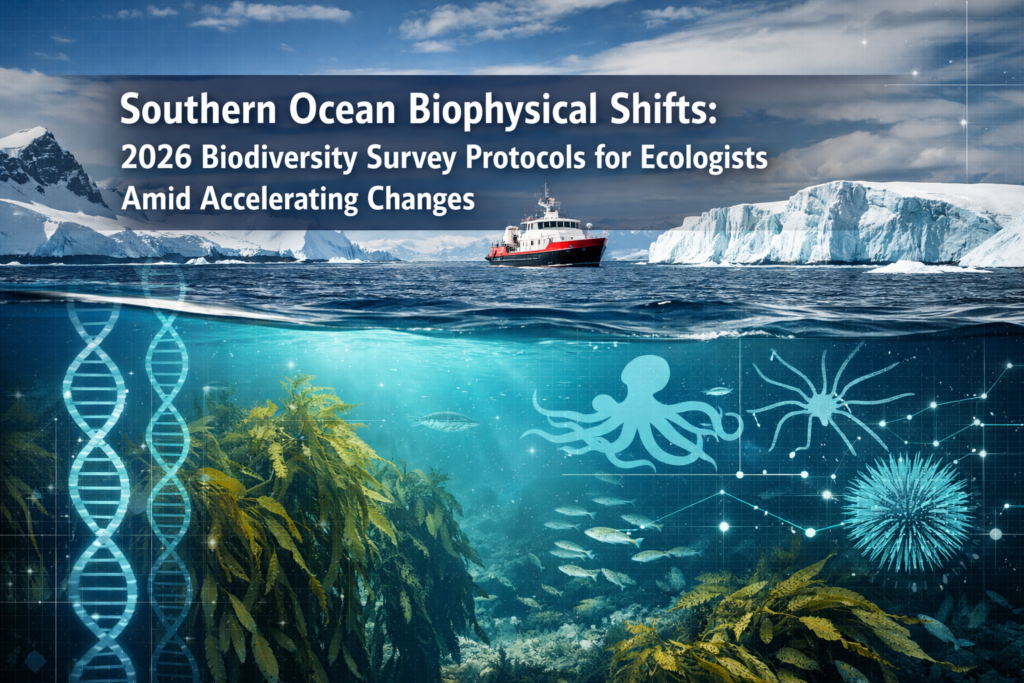
The icy waters surrounding Antarctica are transforming at an unprecedented pace. As 2026 unfolds, the Southern Ocean stands at a critical juncture—recognized as one of the fastest changing regions on Earth, facing high risk of ecosystem failure unless immediate protective action is taken.[1] For ecologists working in these extreme environments, understanding and documenting these Southern […]
Fibre Optic Drone Cables: Assessing Biodiversity Impacts in 2026 Aerial Infrastructure Surveys
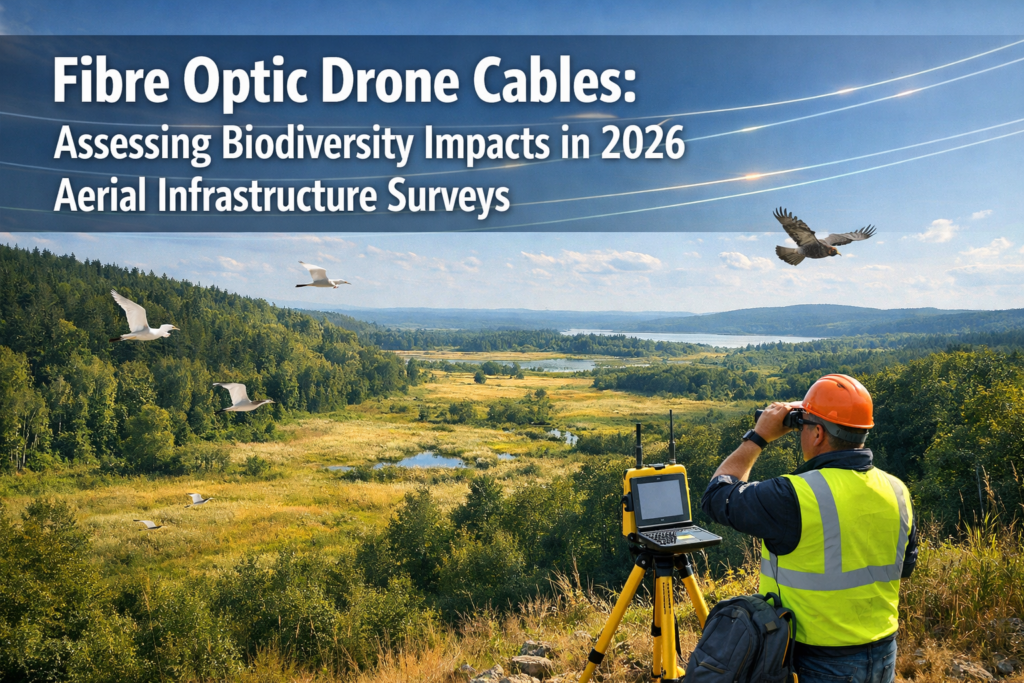
The silent threat hanging over our natural landscapes isn't always visible from the ground. As biodiversity surveyors conduct habitat assessments across development sites in 2026, a new environmental challenge has emerged from an unexpected source: fibre optic drone cables. These durable plastic strands, initially deployed in conflict zones but now raising concerns for wider infrastructure […]
Mirror Cells in Conservation: Emerging Survey Methods for Ecologists in 2026 Genetic Monitoring
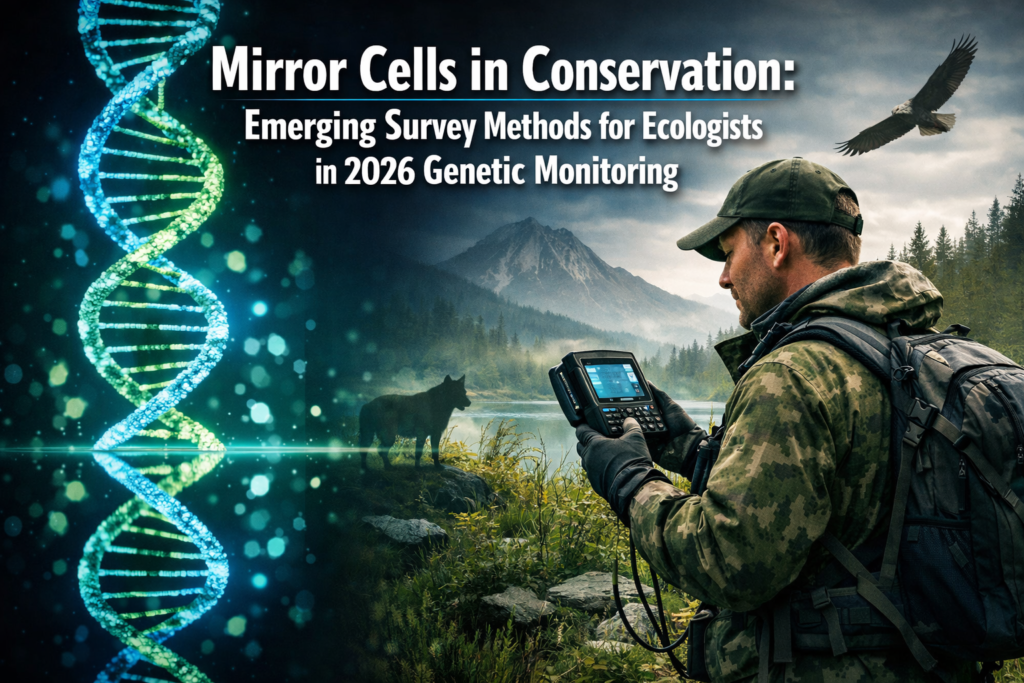
The year 2026 has ushered in a new frontier for conservation biology—one where synthetic organisms with reversed molecular structures could reshape how ecologists monitor and protect endangered species. Mirror Cells in Conservation: Emerging Survey Methods for Ecologists in 2026 Genetic Monitoring represents a critical intersection of cutting-edge biotechnology and environmental stewardship, as researchers grapple with […]