

Roughly half of all residential planning permissions in England could be freed from mandatory biodiversity net gain requirements before the end of July 2026 — a seismic shift that will redraw the surveying workload for ecologists and reshape demand for off-site BNG units almost overnight. Defra's April 2026 response to its earlier consultation confirmed a sweeping package of BNG reform, with the 0.2 hectare area-based exemption at its centre. For biodiversity surveyors and developers navigating UK biodiversity net gain obligations, understanding these changes now — not in August — is essential. [1]
Key Takeaways
- A new 0.2 hectare area-based exemption is expected to remove BNG requirements from approximately 50% of residential planning permissions in England before 31 July 2026.
- The small-scale self-build and custom-build exemption will be removed, bringing those projects back into scope.
- Temporary planning permissions of up to five years will receive a targeted BNG exemption.
- The biodiversity gain hierarchy will be amended so off-site provision carries equal weight to on-site delivery for minor developments.
- An additional brownfield consultation (closing 23:59 on 10 June 2026) proposes a further exemption for sites up to 2.5 hectares — and mandatory BNG will apply to NSIPs from 2 November 2026.
Table of Contents
- What Defra Confirmed in April 2026
- The 0.2 Hectare Exemption: Scope and Implications
- Removal of the Self-Build Exemption
- Temporary Permissions and the Five-Year Rule
- Off-Site BNG Given Equal Weight for Minor Developments
- The Brownfield Consultation Closing 10 June 2026
- NSIPs: Mandatory BNG from 2 November 2026
- Practical Implications for Surveyors and Developers
- FAQ
- Conclusion
What Defra Confirmed in April 2026
On 20 April 2026, Defra published its formal response to the BNG reforms consultation, committing to bring the entire package of changes into force before 31 July 2026. [1] The announcement confirmed six distinct reforms affecting how mandatory BNG applies across different development types in England. The Country Land and Business Association welcomed the clarity, noting that the reforms address several practical concerns raised by both the development industry and the ecological profession. [3]
For surveyors already familiar with the existing BNG framework, these reforms are not a relaxation of environmental ambition — they are a recalibration of where and how the 10% net gain requirement is applied.
The 0.2 Hectare Exemption: Scope and Implications for BNG Reform July 2026
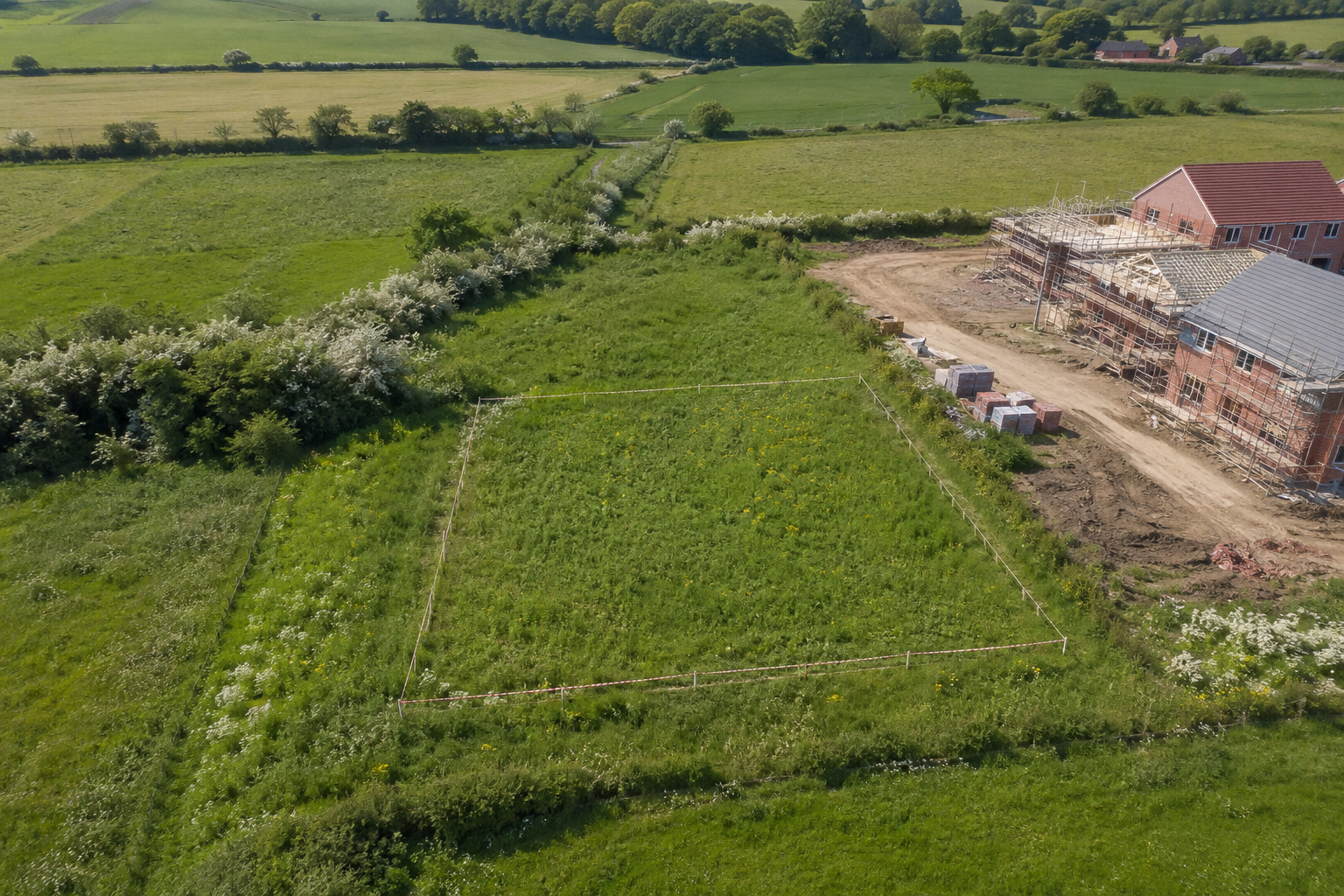
The headline measure is a new area-based exemption for development sites of 0.2 hectares or less. Defra estimates this single change will remove BNG requirements from approximately 50% of all residential planning permissions currently granted in England. [1] Lichfields analysis confirmed the reform targets minor residential development — typically one to nine dwellings — where the administrative burden of BNG compliance has been disproportionate to ecological impact. [7]
What this means in practice:
| Site Size | BNG Status Post-Reform |
|---|---|
| 0.2 ha or less | Exempt (subject to final regulations) |
| 0.2 ha to 2.5 ha (brownfield) | Possible exemption — under consultation |
| Over 0.2 ha (greenfield) | Mandatory 10% BNG applies |
| NSIPs | Mandatory from 2 November 2026 |
Developers with sites at or below the threshold should still commission a habitat baseline survey to confirm exemption eligibility and to satisfy any local planning authority conditions that may still require ecological assessment. The exemption does not override protected species legislation or local plan policies.
For a broader understanding of which projects may qualify, see the guidance on exempt projects.
Removal of the Self-Build Exemption
The current small-scale self-build and custom-build exemption will be removed under the reform package. [1] Projects that previously fell outside BNG requirements on self-build grounds will now be assessed against the 0.2 hectare area threshold instead. In practice, most genuine self-build plots will fall below 0.2 hectares and will therefore remain exempt — but under a different legal basis. Surveyors should update their scoping checklists accordingly to avoid misclassifying these applications.
Temporary Permissions and the Five-Year Rule
A targeted exemption will apply to temporary planning permissions of up to five years duration. [1] This is a pragmatic response to concerns that requiring 30-year habitat management commitments for short-term uses — such as construction compounds, temporary car parks, or event sites — was disproportionate. The exemption removes a genuine compliance barrier without undermining long-term biodiversity outcomes.
Surveyors advising on temporary permissions should document the duration clearly in any ecological appraisal and confirm that the use does not trigger other protected species or habitat obligations.
Off-Site BNG Given Equal Weight for Minor Developments
Perhaps the most commercially significant reform for the BNG unit market is the amendment to the biodiversity gain hierarchy. Under the existing hierarchy, applicants must demonstrate that on-site delivery has been maximised before off-site provision can be used. For minor developments, the reformed hierarchy will give off-site provision equal weight to on-site delivery. [1] [3]
This change has direct implications for the off-site BNG unit market. Developers of minor schemes will no longer need to exhaust on-site options before accessing habitat bank units, reducing the ecological design burden on constrained urban infill sites. For landowners and habitat bank operators, this signals increased demand for verified off-site units — particularly in areas with high concentrations of minor residential development.
"The hierarchy amendment effectively removes a sequencing hurdle that was slowing minor applications without delivering meaningful on-site gains." — Integrated Land Management analysis [2]
Surveyors should be prepared to advise clients on buying biodiversity units as a primary rather than last-resort strategy for minor schemes.
The Brownfield Consultation Closing 10 June 2026
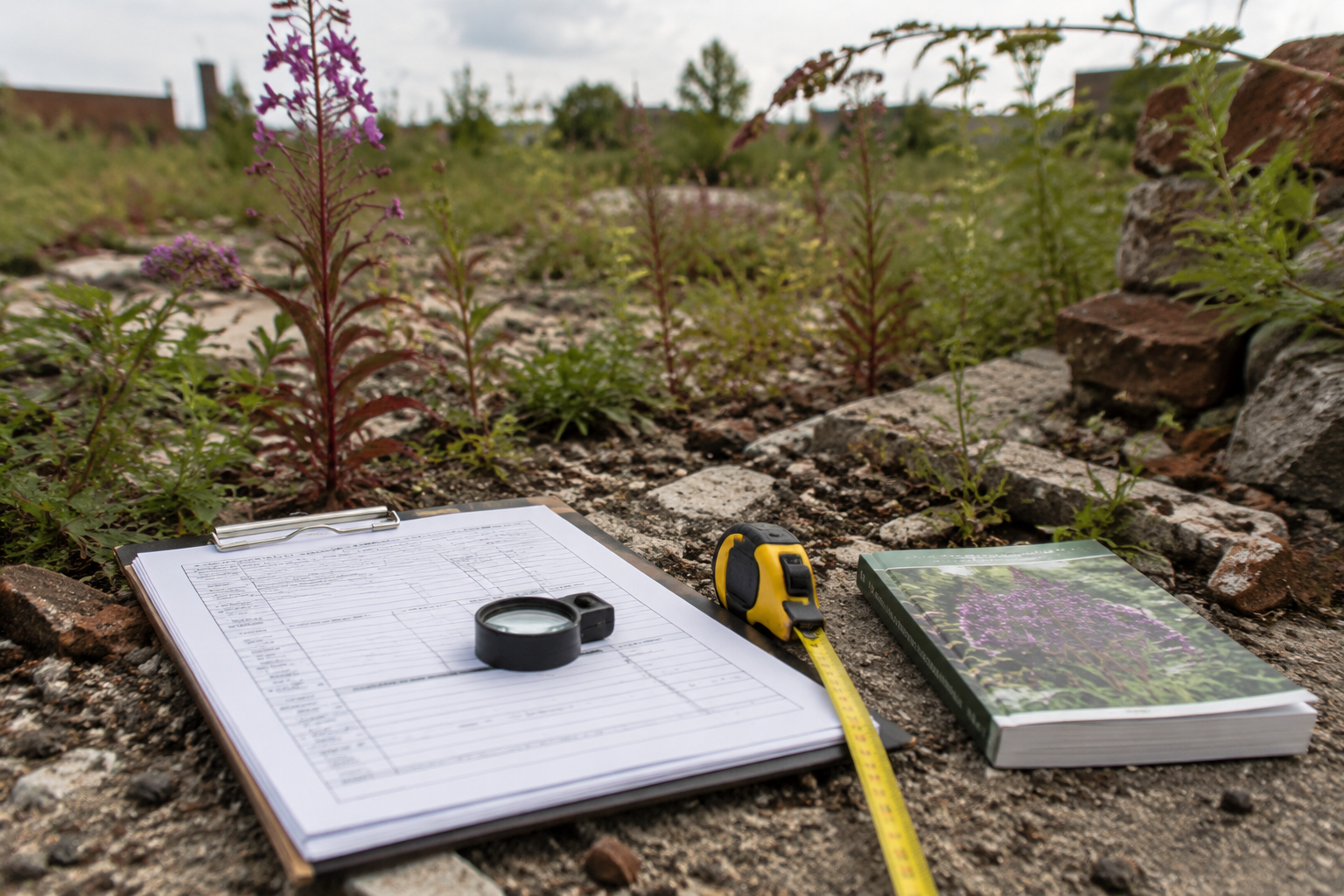
A separate, additional consultation is currently open on a possible further exemption for brownfield sites up to 2.5 hectares. [1] This consultation closes at 23:59 on 10 June 2026 — just three days from today. The proposal responds to evidence that BNG requirements on small brownfield sites can make marginal regeneration projects unviable, particularly where pioneer habitats of low biodiversity value have established on previously developed land.
Surveyors and developers with a view on this proposal should submit responses before the deadline. The outcome will determine whether a significant additional tranche of urban regeneration sites is exempted from mandatory BNG — with obvious consequences for off-site unit demand and habitat banking economics.
NSIPs: Mandatory BNG from 2 November 2026
While the reforms above largely reduce or refine BNG obligations for smaller sites, the direction of travel for large infrastructure is the opposite. Nationally Significant Infrastructure Projects (NSIPs) — including major roads, railways, energy projects, and ports — will become subject to mandatory BNG from 2 November 2026. [1] [9]
This creates a substantial new market for ecological assessment services. NSIP applications involve complex, multi-habitat baseline surveys across large land areas, and the 10% net gain requirement will generate significant demand for both on-site habitat creation and large-scale off-site unit purchases. Surveyors with experience in infrastructure-scale ecological impact assessment should begin positioning for this work now.
Practical Implications for Surveyors and Developers
The BNG reform July 2026 package — centred on the 0.2 hectare exemption — reshapes surveying workload in several ways:
Reduced volume, higher complexity. Fewer minor applications will require full BNG metric calculations, but those that remain in scope (larger greenfield sites, NSIPs) will demand more rigorous biodiversity impact assessments.
Off-site unit demand will rise. The hierarchy amendment for minor developments, combined with NSIP obligations from November, will increase demand for verified off-site units. Landowners should explore selling biodiversity units as a revenue stream.
Scoping letters need updating. Ecological assessment scoping should now explicitly address the 0.2 hectare threshold, temporary permission status, and self-build reclassification.
Brownfield baseline surveys remain important. Even if the 2.5 hectare brownfield exemption is confirmed, sites above that threshold — and all greenfield sites — still require robust habitat baseline data.
For developers building projects in England, a clear biodiversity plan remains best practice regardless of exemption status.
FAQ
Will the 0.2 hectare exemption apply automatically, or do developers need to apply for it?
The exemption will be area-based and self-applying once the regulations come into force, but developers should retain site area documentation and confirm eligibility with their local planning authority. Protected species obligations still apply independently.
Does the hierarchy amendment mean on-site BNG is no longer required for minor developments?
No. Off-site provision is given equal weight — not automatic priority. Applicants can choose the most appropriate route, but local planning authorities may still encourage on-site delivery where it is feasible.
What happens to self-build projects that were relying on the existing exemption?
Most will qualify under the new 0.2 hectare threshold. Those above 0.2 hectares will need to comply with standard BNG requirements. Surveyors should reassess any live applications that previously relied on the self-build exemption.
Is the brownfield consultation outcome binding before 31 July 2026?
The brownfield consultation (closing 10 June 2026) is a separate process. Its outcome may or may not be incorporated into the July 2026 regulations — Defra has not committed to a specific timeline for that element.
How will NSIP BNG assessments differ from standard planning BNG?
NSIPs are consented through the Development Consent Order process rather than standard planning. BNG requirements will be integrated into DCO applications, requiring large-scale habitat surveys, metric calculations, and long-term management plans across complex multi-habitat sites.
Where can surveyors find the most current GOV.UK guidance on BNG exemptions?
The primary reference is the GOV.UK understanding biodiversity net gain guidance, updated alongside the regulatory changes. [9]
Conclusion
The BNG reform July 2026 package — led by the 0.2 hectare exemption for UK biodiversity net gain — is the most significant recalibration of the BNG regime since mandatory requirements came into force in February 2024. For biodiversity surveyors, the immediate priorities are clear: update scoping templates to reflect the new exemption thresholds, prepare clients for the hierarchy change on minor developments, and respond to the brownfield consultation before 23:59 on 10 June 2026 if you have relevant evidence to contribute.
For developers, the reforms reduce compliance burden on the smallest sites while signalling that larger greenfield and infrastructure projects face increasingly robust BNG obligations. The NSIP mandate from 2 November 2026 in particular represents a major new workstream for the ecological profession.
The market for off-site BNG units is set to grow — not shrink — as the hierarchy amendment removes barriers to off-site use and NSIP obligations create large-scale demand. Landowners and habitat bank operators should act now to ensure supply is ready to meet that demand.
Stay current with regulatory developments, maintain rigorous habitat baseline records, and position your practice to serve both the reduced-complexity minor development market and the expanding infrastructure BNG sector.
References
[1] Biodiversity Net Gain Whats Changing And What It Means For You – https://defraenvironment.blog.gov.uk/2026/04/20/biodiversity-net-gain-whats-changing-and-what-it-means-for-you/
[2] Bng Minor Development Changes – https://www.integratedlm.co.uk/articles/bng-minor-development-changes
[3] Key Changes Confirmed To Biodiversity Net Gain – https://www.cla.org.uk/news/key-changes-confirmed-to-biodiversity-net-gain/
[7] Bng Simplified Smaller Sites Fewer Hurdles – https://lichfields.uk/blog/2026/april/17/bng-simplified-smaller-sites-fewer-hurdles
[9] Understanding Biodiversity Net Gain – https://www.gov.uk/guidance/understanding-biodiversity-net-gain