

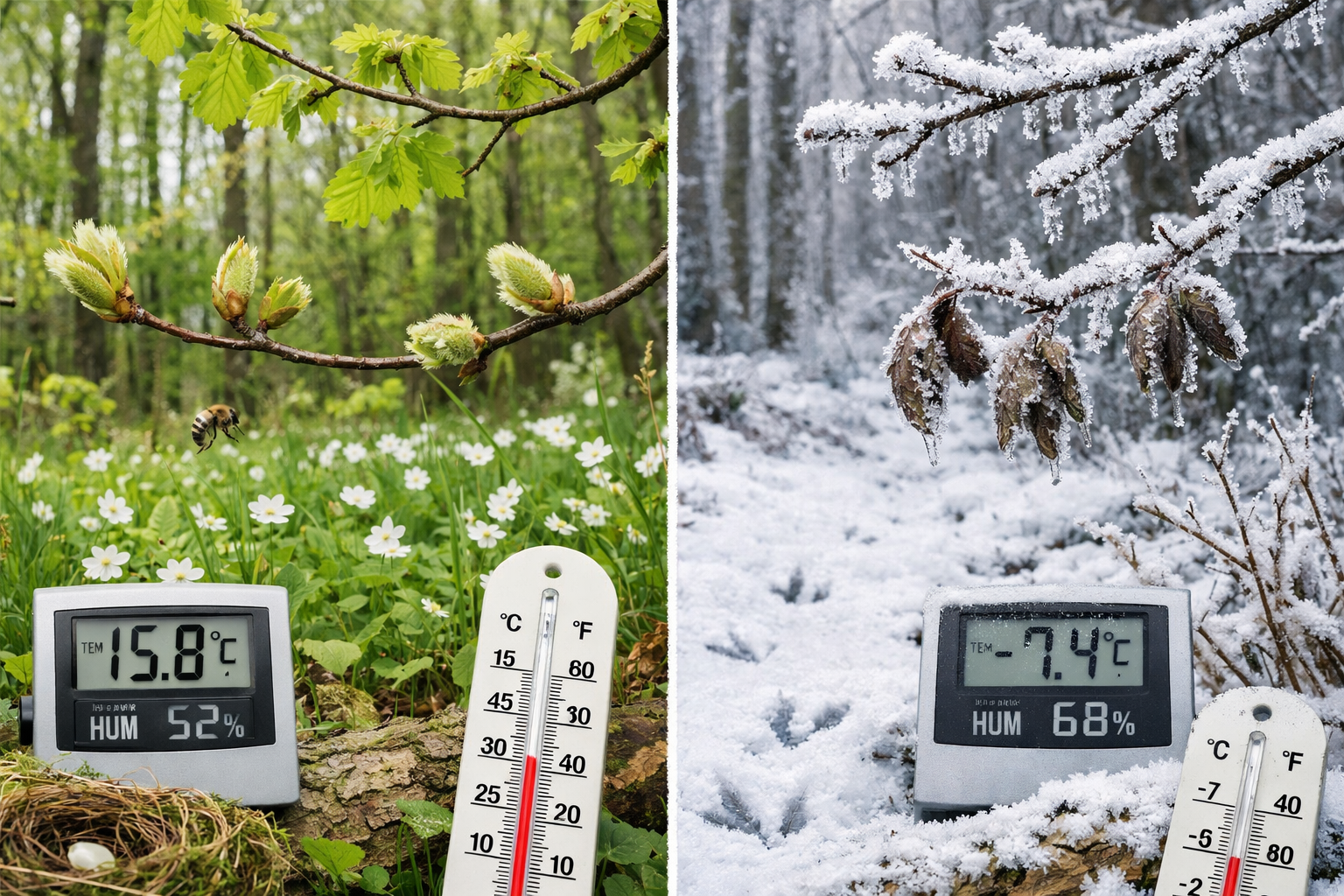
Mid-February 2026 brought an unexpected challenge to ecology professionals across the UK and Ireland: a stratospheric warming event triggered a polar vortex collapse, plunging temperate regions into prolonged Arctic-like conditions that extended well into early spring [2]. For biodiversity surveyors accustomed to predictable seasonal windows, this climatic disruption has fundamentally altered survey timing, species detectability, and baseline data reliability. Understanding Polar Vortex Impacts on Temperate Biodiversity Surveys: 2026 Adaptation Strategies for Surveyors has become essential for maintaining data integrity and meeting regulatory requirements in an era of increasingly volatile weather patterns.
The February 2026 polar vortex split created temperature anomalies exceeding 30°F below normal across affected regions, with a persistent "leftover" vortex core maintaining below-normal temperatures through March and April [4]. This unprecedented weather event has forced ecology professionals to reconsider fundamental assumptions about survey protocols, phenological markers, and species activity patterns that underpin biodiversity impact assessments.
Key Takeaways
⭐ Survey timing disruption: The 2026 polar vortex has delayed traditional spring survey windows by 3-6 weeks across UK and Irish temperate zones, requiring flexible scheduling protocols.
⭐ Species detectability challenges: Extreme cold reduces population density temporarily while occurrence rates may remain stable, necessitating adjusted sampling effort and detection metrics [3].
⭐ Phenological marker failure: Traditional seasonal indicators (flowering plants, breeding bird activity) have become unreliable, demanding alternative baseline references for survey timing.
⭐ Equipment adaptation: Standard field equipment requires cold-weather modifications, backup power solutions, and ruggedized alternatives for sub-zero survey conditions.
⭐ Data interpretation protocols: Baseline comparisons must account for weather-induced population fluctuations versus genuine biodiversity changes to maintain biodiversity net gain assessment accuracy.
Understanding Polar Vortex Impacts on Temperate Biodiversity Surveys: 2026 Adaptation Strategies for Surveyors
What Is the Polar Vortex and Why Does It Matter for UK Biodiversity?
The polar vortex represents a large-scale atmospheric circulation pattern typically confined to Arctic regions during winter months. When stratospheric warming events occur, this circulation weakens or splits, allowing frigid Arctic air masses to surge southward into temperate latitudes [5]. The 2026 event proved particularly severe, with the vortex split occurring in mid-February and effects persisting through early spring.
For biodiversity surveyors, this matters because temperate ecosystems evolved with relatively predictable seasonal transitions. Species life cycles, breeding patterns, and activity periods synchronize with temperature cues and day length. When polar vortex disruptions introduce Arctic conditions into temperate zones, these biological rhythms become desynchronized from calendar dates that typically guide survey scheduling.
Research indicates that global warming has reduced the temperature differential between Arctic and temperate regions, making the boundary between climate zones less distinct [5]. This blurring effect means polar vortex intrusions can penetrate further south and persist longer than historical patterns suggested, creating cascading effects throughout temperate ecosystems.
Documented Ecological Consequences of 2026 Polar Vortex Events
The ecological impacts of prolonged cold intrusions extend far beyond simple temperature drops. Studies examining bird populations during extreme winter weather events reveal that polar vortex conditions temporarily reduce population density in affected species, though overall occurrence rates (whether species are present) may remain relatively stable [3]. This distinction proves critical for surveyors: detecting fewer individuals doesn't necessarily indicate population decline, but rather temporary behavioral or distributional shifts.
Cascading biodiversity effects documented during and after polar vortex events include:
- 🌳 Forest dieback from frost damage to early-emerging vegetation
- 🐝 Pollinator disruption due to delayed emergence and flower availability mismatches
- 🦋 Invasive species advantages when native species experience disproportionate cold stress
- 🌾 Habitat quality degradation from vegetation damage and soil frost penetration
- 🐦 Breeding season delays affecting survey windows for protected species
These impacts create significant challenges for conducting biodiversity impact assessments that rely on baseline data collected under "normal" conditions. When weather patterns deviate substantially from historical norms, comparing current survey results to previous baselines becomes problematic.
Phenological Disruptions and Survey Timing Challenges
Phenology—the study of seasonal biological events—provides the foundation for traditional survey scheduling. Ecologists have long relied on predictable markers: bluebells flowering in April, breeding birds establishing territories in March, amphibians migrating to breeding ponds in February. The 2026 polar vortex has disrupted these temporal anchors across UK and Irish ecosystems.
Documented phenological shifts include:
| Traditional Marker | Expected Timing | 2026 Polar Vortex Impact |
|---|---|---|
| Amphibian breeding migration | Late February – Early March | Delayed 4-6 weeks; reduced activity |
| Woodland bird territory establishment | Mid-March | Delayed 3-5 weeks; compressed season |
| Spring flowering plants (bluebells, wood anemone) | April | Delayed 2-4 weeks; frost damage |
| Invertebrate emergence (butterflies, bees) | Late March – April | Delayed 4-7 weeks; reduced abundance |
| Bat emergence from hibernation | Late March | Extended hibernation through mid-April |
These delays create a domino effect for survey scheduling. Protected species surveys typically require multiple visits during specific activity windows. When those windows shift unpredictably or compress into shorter periods, surveyors face difficult decisions about when to conduct fieldwork and how to interpret results.
Agricultural indicators provide additional evidence of phenological disruption: crop failures and reduced chill hours for fruit trees demonstrate broader ecosystem timing shifts [2]. For biodiversity professionals, this suggests that weather-driven phenological changes affect entire ecosystem networks, not just individual species.
Practical Adaptation Strategies for Field Surveyors in 2026
Modified Survey Scheduling and Flexible Timing Windows
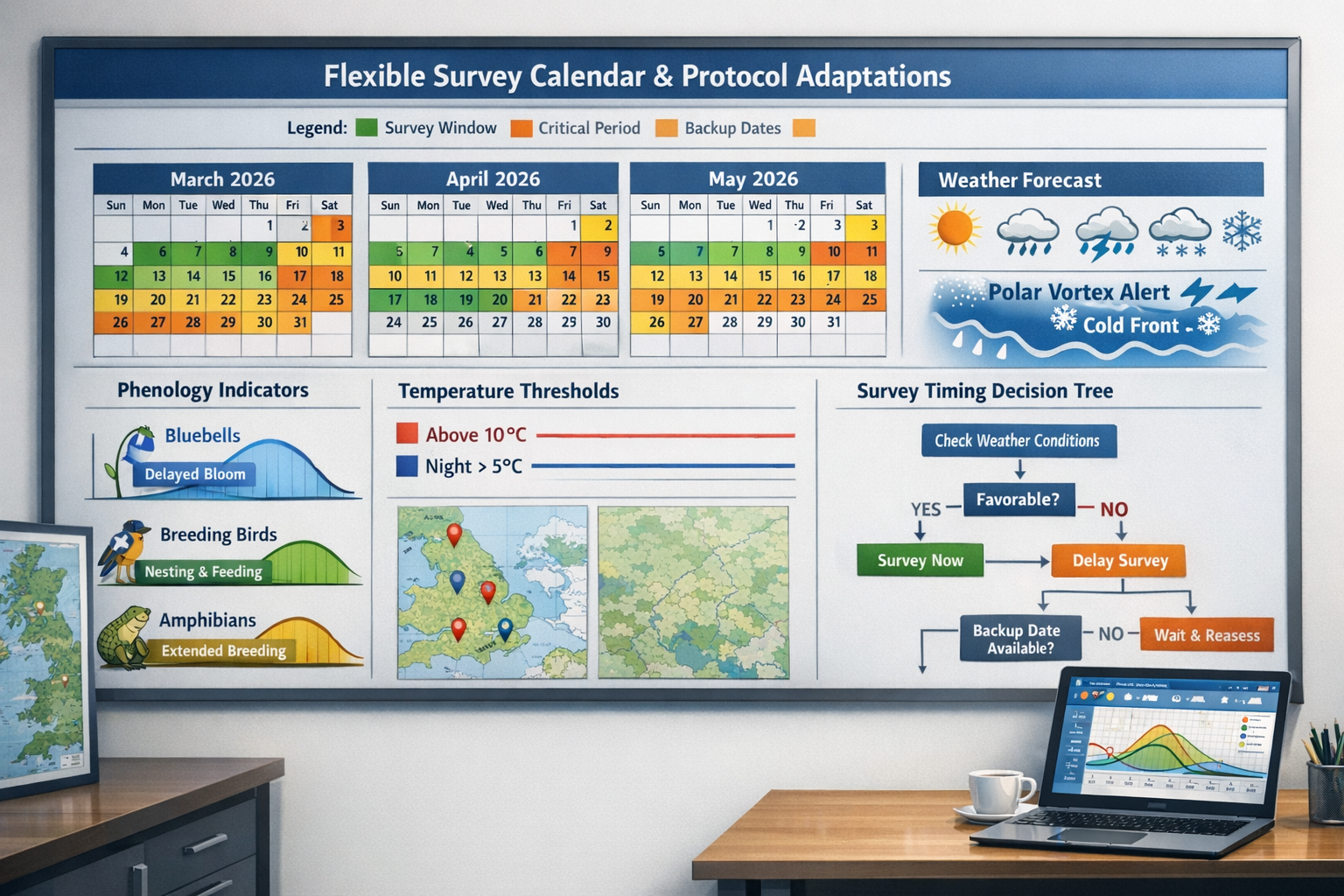
The most fundamental adaptation required for Polar Vortex Impacts on Temperate Biodiversity Surveys: 2026 Adaptation Strategies for Surveyors involves abandoning rigid calendar-based scheduling in favor of condition-based triggers. Rather than automatically scheduling breeding bird surveys for March 15th, surveyors must monitor multiple environmental indicators:
Temperature-based triggers: Establish minimum temperature thresholds for target species activity. For example, many invertebrates require sustained temperatures above 10°C for normal activity levels. Monitor 7-day rolling temperature averages rather than single-day readings.
Phenological indicator species: Identify robust indicator species whose activity reliably predicts broader ecosystem readiness. In UK woodlands, lesser celandine flowering often precedes other spring events by 1-2 weeks and proves more reliable than calendar dates.
Meteorological forecasting integration: Multiple influences beyond stratospheric polar vortex weakening affect weather patterns, including stalled systems and distant midlatitude events [1]. Incorporating extended weather forecasts (2-4 weeks) into survey planning helps identify suitable fieldwork windows.
Expanded survey windows: Build flexibility into project timelines by extending potential survey periods by 4-6 weeks beyond traditional windows. This buffer accommodates delayed phenology while maintaining adequate survey effort.
Backup survey dates: Schedule preliminary survey dates but maintain 2-3 backup options through late spring. This approach requires clear communication with clients about weather-dependent scheduling and potential timeline adjustments.
Equipment Modifications for Extreme Cold Conditions
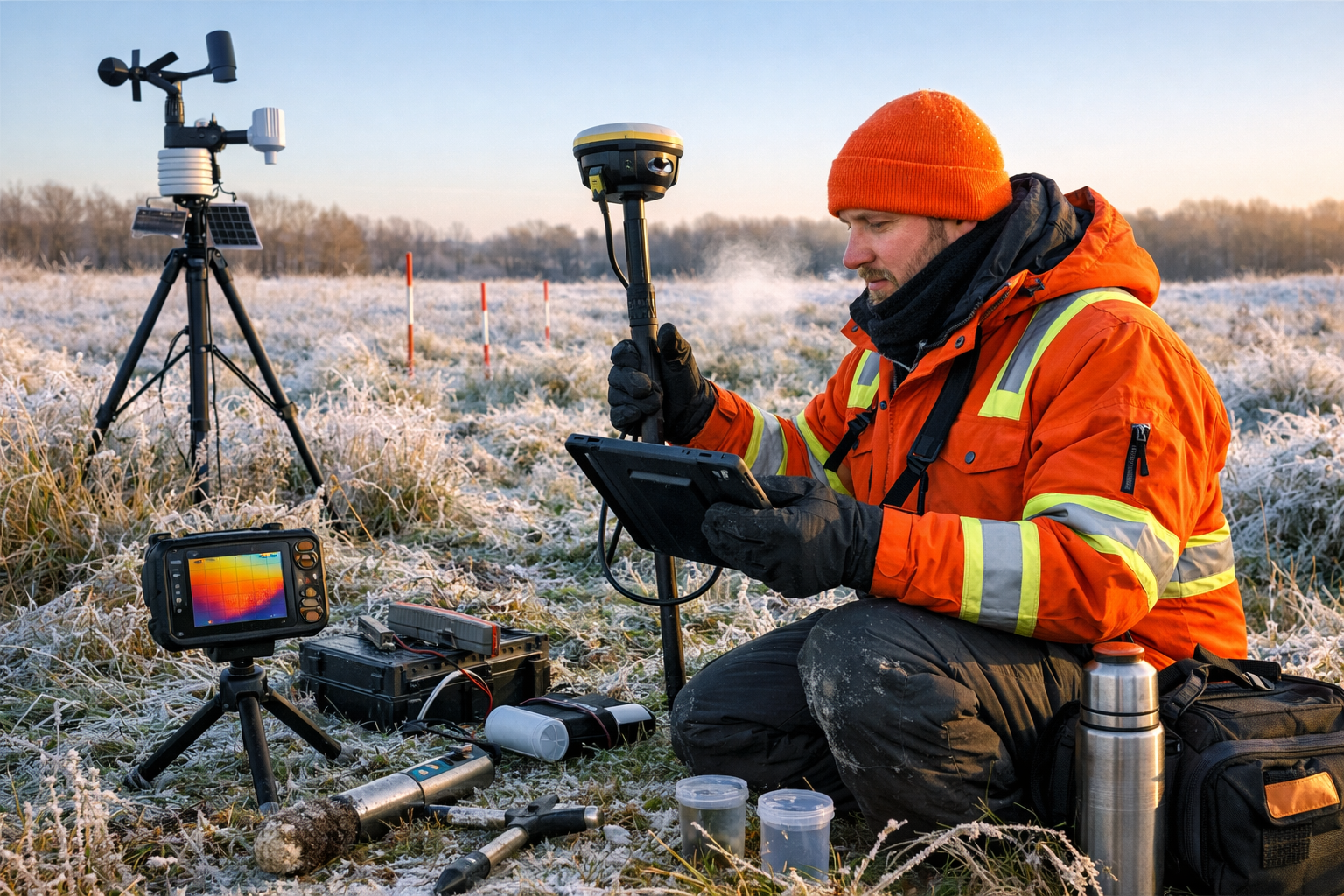
Standard biodiversity survey equipment often fails or performs poorly in prolonged sub-zero conditions. The 2026 polar vortex has highlighted critical equipment vulnerabilities that require proactive solutions:
Electronic equipment protection:
- 🔋 Battery performance: Lithium-ion batteries lose 20-40% capacity in freezing temperatures. Carry backup batteries in insulated pouches close to body heat.
- 📱 Tablet and smartphone reliability: Use ruggedized devices rated for sub-zero operation or insulated cases with chemical heat packs.
- 📷 Camera equipment: Keep cameras inside jackets between uses; use lens warmers to prevent condensation.
Sampling tool adaptations:
- 🔨 Soil sampling: Frozen ground requires modified coring tools or alternative sampling methods.
- 🦇 Bat detectors: Cold weather reduces detector sensitivity; increase survey duration to compensate.
- 🪤 Pitfall traps: Frozen substrates prevent proper trap installation; consider alternative invertebrate sampling methods.
Personal safety equipment:
- 🧥 Layered insulation systems: Maintain core temperature during extended stationary observation periods.
- ☕ Thermoregulation supplies: Hot beverages and chemical heat packs prevent hypothermia during dawn surveys.
- 🚨 Emergency communication: Cold weather drains phone batteries rapidly; carry backup communication devices.
Adjusted Detection Metrics and Survey Effort
Research demonstrates that polar vortex conditions temporarily reduce population density while occurrence rates may remain stable [3]. This finding has profound implications for survey methodology and data interpretation. Surveyors must distinguish between weather-induced temporary reductions and genuine population declines.
Increased survey effort: When target species show reduced detectability due to weather suppression, compensate by:
- Extending individual survey duration by 50-100%
- Adding supplementary survey visits beyond minimum requirements
- Employing multiple detection methods simultaneously (visual, acoustic, trapping)
Occupancy modeling adjustments: Traditional occupancy models assume constant detection probability across survey periods. Polar vortex impacts violate this assumption. Consider:
- Weather covariates in occupancy models (temperature, wind speed, precipitation)
- Detection probability adjustments based on survey conditions
- Bayesian approaches that incorporate prior knowledge of weather effects
Population density vs. occurrence: When conducting biodiversity net gain assessments, distinguish between:
- Occurrence data: Species presence/absence (more robust to weather fluctuations)
- Abundance data: Population counts (highly sensitive to temporary weather effects)
For regulatory compliance, focus on occurrence data during extreme weather periods, supplemented by abundance estimates when conditions normalize.
Species-Specific Protocol Modifications
Different taxonomic groups respond uniquely to polar vortex conditions, requiring tailored survey approaches:
Breeding birds:
- Delay initial surveys until sustained temperatures exceed 8°C
- Extend survey season 3-4 weeks beyond traditional endpoints
- Increase visit frequency to capture compressed breeding activity
- Document weather conditions during each visit for data interpretation
Amphibians:
- Monitor pond temperatures directly rather than relying on air temperature
- Expect delayed migration by 4-6 weeks during polar vortex years
- Conduct additional late-season surveys to capture extended breeding periods
- Use environmental DNA (eDNA) sampling as weather-independent detection method
Invertebrates:
- Postpone transect surveys until consistent temperatures above 13°C
- Employ alternative methods (pitfall traps, sweep netting) less dependent on flight activity
- Extend survey season into late spring and early summer
- Accept reduced abundance as weather artifact rather than population decline
Bats:
- Delay emergence surveys by 3-4 weeks
- Increase detector deployment duration to compensate for reduced activity
- Focus on autumn surveys when weather impacts diminish
- Use roost inspections as weather-independent alternative
Botanical surveys:
- Document frost damage separately from other impact factors
- Photograph phenological stages to establish site-specific baselines
- Conduct follow-up surveys after vegetation recovery
- Use previous-year vegetation data cautiously when polar vortex damage occurred
Data Interpretation and Baseline Adjustments for Polar Vortex Impacts on Temperate Biodiversity Surveys: 2026 Adaptation Strategies for Surveyors
Establishing Weather-Adjusted Baselines
Traditional biodiversity baselines assume relatively stable climatic conditions across survey years. The 2026 polar vortex demonstrates this assumption no longer holds. Surveyors must develop weather-adjusted baseline protocols that account for climatic variability while maintaining data integrity for regulatory purposes.
Multi-year baseline development: Rather than comparing 2026 data to single-year historical baselines, establish rolling 5-year baselines that capture weather variability. This approach reduces the influence of anomalous years while maintaining sufficient data for trend detection.
Weather covariate documentation: Record detailed weather conditions during each survey:
- Temperature (minimum, maximum, mean during survey period)
- Precipitation (7-day and 30-day totals)
- Wind speed and direction
- Cloud cover and solar radiation
- Days since last frost event
These covariates enable statistical adjustments when comparing data across years with different weather patterns.
Phenological stage recording: Document phenological stages of indicator species rather than relying solely on calendar dates. This creates phenologically-adjusted baselines that remain comparable across years despite timing shifts.
Reference site networks: Establish regional reference sites surveyed using identical protocols. This network approach distinguishes site-specific impacts from regional weather effects, improving accuracy for biodiversity impact assessments.
Communicating Uncertainty to Clients and Regulators
The 2026 polar vortex has introduced substantial uncertainty into biodiversity survey results. Professional surveyors must communicate this uncertainty transparently while maintaining confidence in data quality and regulatory compliance.
Explicit weather impact statements: Include dedicated sections in survey reports explaining:
- How polar vortex conditions affected survey timing and species detectability
- Adjustments made to standard protocols
- Confidence levels in different data types (occurrence vs. abundance)
- Recommendations for follow-up surveys or data supplementation
Quantified uncertainty metrics: Where possible, quantify uncertainty using:
- Confidence intervals around population estimates
- Detection probability estimates from occupancy models
- Statistical power analyses showing ability to detect genuine changes
- Sensitivity analyses demonstrating how weather adjustments affect conclusions
Regulatory guidance consultation: Engage proactively with local planning authorities and statutory nature conservation bodies about weather-adjusted protocols. Many regulators recognize 2026's exceptional conditions and may accept modified approaches when properly justified.
Client education: Help developers and planners understand that achieving biodiversity net gain requires flexible approaches during extreme weather years. Rigid adherence to standard protocols may produce less reliable data than thoughtfully adapted methods.
Long-Term Implications and Strategic Planning
Preparing for Increased Polar Vortex Frequency
Climate models suggest polar vortex disruptions may become more frequent as Arctic warming continues to reduce temperature differentials between polar and temperate regions [5]. Biodiversity surveyors should prepare for recurring extreme weather events rather than treating 2026 as a unique anomaly.
Institutional protocol development: Organizations conducting regular biodiversity surveys should develop standing protocols for extreme weather adaptations rather than improvising responses to each event. These protocols should include:
- Predefined trigger points for implementing alternative survey methods
- Pre-approved equipment lists for cold weather fieldwork
- Template report sections explaining weather impacts
- Client communication templates for schedule adjustments
Professional training programs: Surveyor training should incorporate extreme weather scenarios, including:
- Cold weather safety and equipment operation
- Statistical methods for weather-adjusted data analysis
- Client communication during schedule disruptions
- Regulatory compliance under non-standard conditions
Technology investment: Organizations should invest in:
- Ruggedized field equipment rated for extreme conditions
- Remote sensing and automated monitoring technologies less dependent on optimal weather
- Weather forecasting services providing extended outlooks for survey planning
- Data management systems accommodating weather covariate documentation
Integration with Climate Change Adaptation Planning
Polar vortex impacts represent one component of broader climate change effects on temperate biodiversity. Surveyors should integrate extreme weather adaptations into comprehensive climate-responsive survey frameworks.
Climate-informed survey design: Incorporate climate projections into long-term monitoring programs:
- Identify species likely to experience range shifts or phenological changes
- Establish monitoring transects capturing climate gradients
- Document climate-sensitive habitat features
- Track invasive species potentially advantaged by climate disruption
Biodiversity Net Gain considerations: The biodiversity net gain framework requires 30-year habitat management plans. Climate change, including polar vortex frequency increases, introduces substantial uncertainty into long-term habitat projections. Consider:
- Climate-resilient habitat creation prioritizing adaptable species assemblages
- Flexible management prescriptions accommodating weather variability
- Monitoring protocols detecting climate-driven habitat changes
- Contingency plans for extreme weather impacts on created habitats
Collaborative research participation: Surveyors collecting field data during extreme weather events possess valuable information for climate impact research. Consider contributing data to:
- Phenological monitoring networks tracking climate-driven timing shifts
- Species distribution databases documenting range changes
- Weather impact studies examining ecosystem responses
- Method development research testing survey protocol adaptations
Conclusion: Building Resilience into Biodiversity Survey Practice
The 2026 polar vortex has fundamentally challenged traditional approaches to temperate biodiversity surveys, demonstrating that historical weather patterns no longer provide reliable guides for survey scheduling and protocol design. Polar Vortex Impacts on Temperate Biodiversity Surveys: 2026 Adaptation Strategies for Surveyors requires embracing flexibility, incorporating weather monitoring into survey planning, and developing robust methods for distinguishing weather artifacts from genuine ecological changes.
Professional surveyors must now operate with dual awareness: maintaining rigorous standards for regulatory compliance while adapting methods to unprecedented climatic conditions. This balance requires transparent communication with clients and regulators, thorough documentation of weather impacts, and willingness to modify traditional protocols when conditions demand.
Actionable Next Steps for Survey Practitioners
Immediate actions (implement now for 2026 surveys):
- ✅ Review scheduled surveys and build 4-6 week flexibility into timelines
- ✅ Audit field equipment for cold weather suitability; acquire necessary upgrades
- ✅ Establish weather monitoring protocols using reliable forecasting services
- ✅ Develop client communication templates explaining weather-related schedule changes
- ✅ Create standardized weather covariate recording protocols for all surveys
Medium-term developments (implement for 2027 season):
- 📋 Develop organizational extreme weather survey protocols
- 📋 Establish reference site networks for regional weather impact assessment
- 📋 Invest in ruggedized equipment and backup power systems
- 📋 Train staff in weather-adjusted data analysis and interpretation methods
- 📋 Engage with regulators about weather-adjusted protocol acceptance
Long-term strategic planning:
- 🎯 Integrate climate change projections into survey program design
- 🎯 Contribute field data to climate impact research initiatives
- 🎯 Develop climate-resilient approaches to biodiversity net gain delivery
- 🎯 Build organizational capacity for rapid protocol adaptation
- 🎯 Establish professional networks for sharing extreme weather experiences and solutions
The 2026 polar vortex serves as a powerful reminder that biodiversity survey practice must evolve alongside changing climatic conditions. Surveyors who proactively develop resilient, adaptable protocols will maintain data quality and regulatory compliance while those adhering rigidly to historical approaches will struggle with unreliable results and project delays. By embracing weather-responsive survey design, transparent uncertainty communication, and continuous protocol refinement, the biodiversity survey profession can maintain its essential role in conservation and development planning despite increasingly volatile weather patterns.
References
[1] Whats New – https://www.pmel.noaa.gov/arctic/whats-new
[2] Unforced Variations Feb 2026 – https://www.realclimate.org/index.php/archives/2026/02/unforced-variations-feb-2026/
[3] Ecog – https://nsojournals.onlinelibrary.wiley.com/doi/10.1111/ecog.05495
[4] Spring 2026 Forecast Update Polar Vortex Core El Nino Rising United States Canada Europe Fa – https://www.severe-weather.eu/long-range-2/spring-2026-forecast-update-polar-vortex-core-el-nino-rising-united-states-canada-europe-fa/
[5] The Polar Vortex Jan 312026 – https://thecatskillgeologist.com/2026/01/31/the-polar-vortex-jan-312026/