

Over 82 active research topics are currently shaping the future of ecosystem science, yet most biodiversity surveyors remain unaware of how these cutting-edge methodologies can transform their field assessments and Biodiversity Net Gain (BNG) monitoring strategies. The Frontiers in Ecosystem Dynamics: Biodiversity Surveyor Guide to 2026 Research Topics from Frontiers in Ecology and Evolution bridges this critical knowledge gap, equipping practitioners with emerging analytical frameworks that promise to revolutionize ecological surveying in the coming years.
The landscape of biodiversity assessment is undergoing rapid transformation. Traditional survey methods are being enhanced by network analysis, molecular diagnostics, and real-time ecosystem monitoring—all emerging from frontier research published in leading ecological journals. For surveyors working on development projects, understanding these research directions isn't merely academic; it directly impacts the accuracy of biodiversity impact assessments and the effectiveness of habitat restoration strategies.
Key Takeaways
- 🔬 Network analysis methods from population-community research enable dynamic tracking of species interactions and ecosystem stability metrics essential for BNG monitoring
- 🌡️ Arctic ecosystem studies reveal novel approaches to measuring ecosystem resilience under climate stress, applicable to temperate zone assessments
- 🧬 Soil microbiome compatibility research provides advanced tools for evaluating habitat quality and restoration success at microscopic scales
- 📊 Real-time ecosystem dynamics monitoring integrates molecular, species, and landscape-level data for comprehensive biodiversity assessments
- 🌱 Disease spillover research offers critical frameworks for assessing ecosystem restoration risks and benefits in development contexts
Understanding the Frontiers in Ecosystem Dynamics Research Landscape
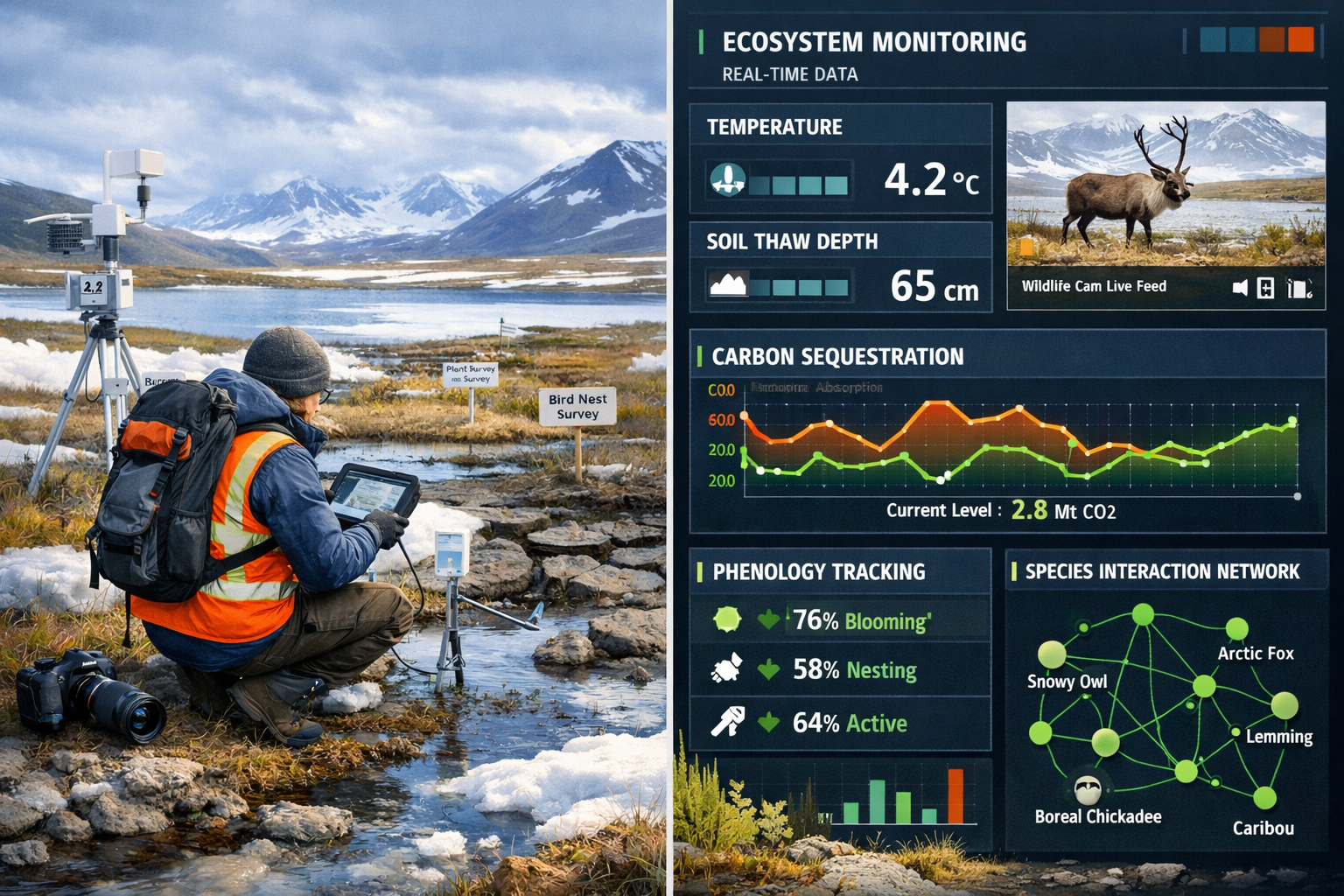
The Frontiers in Ecosystem Dynamics: Biodiversity Surveyor Guide to 2026 Research Topics from Frontiers in Ecology and Evolution encompasses a vast research ecosystem spanning multiple scales—from molecular microbiology to landscape-level transformations. The journal's Population, Community, and Ecosystem Dynamics section alone hosts 82 active research topics exploring species interactions, community structure, ecosystem processes, and population change over time[7].
Core Research Themes Shaping 2026 Surveying Practice
Biodiversity and Ecosystem Resilience stands as a central pillar in contemporary research. Scientists are investigating how plant diversity influences resistance, recovery, and stability of ecosystem functioning under environmental stresses like climate warming and eutrophication[1]. For biodiversity surveyors, this research translates into practical assessment frameworks that evaluate not just species presence, but ecosystem functional capacity.
Arctic Ecosystem Changes provide a window into rapid ecological transformation. Unprecedented temperature changes are generating novel ecosystems along the land-coast-sea continuum, affecting ecosystem structure, phenology, carbon sequestration, wave exposure, light penetration, and nutrient supply[1]. While Arctic contexts may seem distant from typical UK development sites, the methodologies developed for tracking rapid ecosystem change offer valuable tools for monitoring restoration trajectories.
Population-Community Dynamics research explores the intricate web of species interactions that determine ecosystem stability. Recent publications include studies on soil nematode community shifts following estuarine island reclamation, examining taxonomic and functional changes—research directly applicable to biodiversity net gain assessments[4].
Emerging Methodologies for Field Surveyors
The research landscape reveals several methodological innovations particularly relevant to surveying practice:
| Research Area | Practical Application | BNG Relevance |
|---|---|---|
| Network Analysis | Mapping species interaction webs | Assessing ecosystem functionality |
| Molecular Diagnostics | Soil microbiome profiling | Habitat quality indicators |
| Remote Sensing Integration | Landscape-scale monitoring | Temporal change detection |
| Phenology Tracking | Seasonal ecosystem dynamics | Climate adaptation assessment |
| Carbon Flux Measurement | Ecosystem service quantification | Natural capital valuation |
These methodologies aren't confined to academic laboratories. Forward-thinking surveyors are already integrating molecular soil analysis into baseline assessments and using network theory to evaluate habitat connectivity in biodiversity plans for development projects.
The Scale Integration Challenge
One of the most significant insights from the Frontiers in Ecosystem Dynamics: Biodiversity Surveyor Guide to 2026 Research Topics from Frontiers in Ecology and Evolution is the emphasis on scale integration. Research on biodiversity-based crop innovation demonstrates how genetic, species, and ecosystem-level biodiversity can be connected for sustainable outcomes[1].
For surveyors, this means moving beyond single-scale assessments. A comprehensive BNG strategy must consider:
- Genetic diversity within key indicator species
- Species richness across taxonomic groups
- Functional diversity of ecological roles
- Landscape connectivity enabling population flows
- Ecosystem services delivered at multiple scales
This multi-scale perspective aligns perfectly with the requirements of achieving 10% biodiversity net gain, where habitat quality, connectivity, and strategic significance all factor into biodiversity unit calculations.
Applying Cutting-Edge Research to Biodiversity Surveying Practice
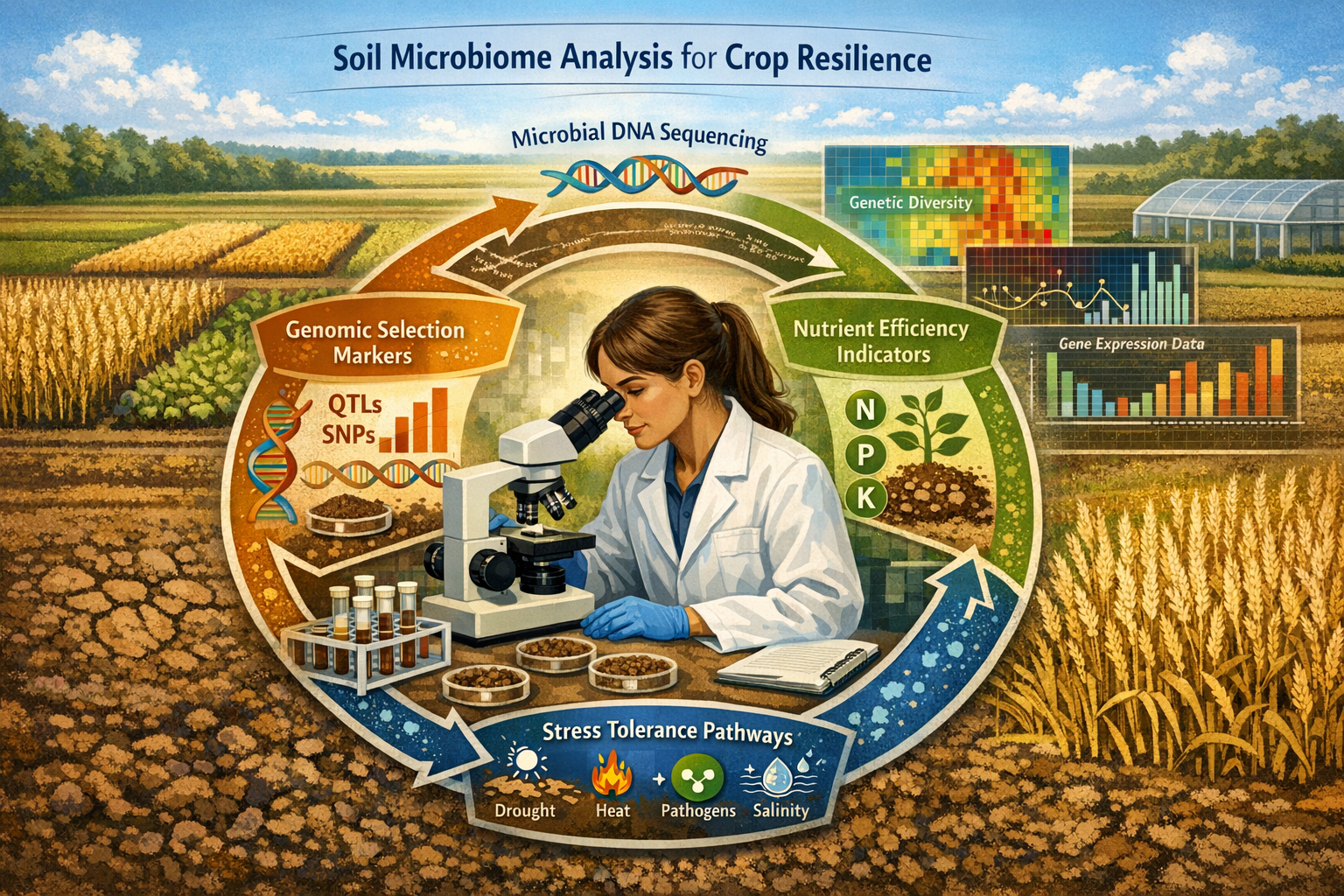
Soil Microbiome Analysis: The Hidden Dimension of Habitat Quality
One of the most transformative research areas for practical surveying involves soil microbiome compatibility and advanced breeding techniques. Research shows that marker-assisted and genomic selection are accelerating development of resilient, nutrient-efficient crop varieties with improved stress tolerance[1]. While this research targets agriculture, the underlying principles revolutionize how surveyors assess habitat quality.
Traditional habitat assessments focus on visible vegetation structure and composition. However, soil microbial communities determine nutrient cycling, plant establishment success, and ecosystem resilience. By incorporating soil microbiome analysis into baseline surveys, practitioners can:
- Predict restoration success based on microbial functional capacity
- Identify degraded soils requiring remediation before habitat creation
- Monitor recovery trajectories through microbial community succession
- Optimize planting strategies by matching species to soil conditions
Several UK ecology consultancies are pioneering soil microbiome sampling as part of comprehensive biodiversity impact assessments, recognizing that invisible biodiversity underpins visible ecosystem health.
Ecosystem Change and Disease Spillover: Risk Assessment for Restoration
Research on ecosystem change and disease spillover connections offers critical insights for surveyors planning habitat creation or restoration. Scientists are assessing when landscape or ecosystem restoration may be protective or risky for disease emergence and spread[1].
This research has direct implications for development projects involving habitat creation. Consider a scenario where a developer proposes creating wetland habitat adjacent to residential areas. Disease spillover research provides frameworks for evaluating:
- Vector habitat creation (mosquitoes, ticks)
- Reservoir host populations (rodents, birds)
- Human-wildlife interface risks
- Mitigation through design (buffer zones, water management)
Incorporating disease risk assessment into biodiversity plans demonstrates professional due diligence and addresses legitimate stakeholder concerns about habitat creation near communities.
Microbial Adaptation to Global Change: Monitoring Ecosystem Resilience
The research topic on microbial adaptation to global change bridges scales from molecules to ecosystems[2], offering surveyors powerful tools for assessing ecosystem resilience—a key consideration in long-term BNG delivery.
Microbial communities respond rapidly to environmental change, serving as early warning indicators of ecosystem stress. By establishing microbial baselines and monitoring shifts over time, surveyors can:
- Detect ecosystem stress before visible vegetation impacts
- Assess climate adaptation capacity of created habitats
- Validate restoration success through functional recovery
- Predict long-term stability of biodiversity units
This approach is particularly valuable for off-site biodiversity delivery, where 30-year habitat management plans require confidence in ecosystem trajectory.
Ecological Processes and Carbon Dynamics: Integrating Climate and Biodiversity Goals
Research on ecological processes and carbon dynamics in subtropical ecosystems explores the interplay between ecological processes, carbon sequestration, and hydrological dynamics under global change[6]. While focused on subtropical systems, the methodological frameworks apply broadly to temperate ecosystems.
For UK surveyors, this research illuminates how to integrate carbon and biodiversity goals—increasingly important as clients seek to address both climate and nature crises simultaneously. Practical applications include:
- Quantifying carbon sequestration in created habitats
- Optimizing habitat design for dual carbon-biodiversity benefits
- Monitoring ecosystem service delivery beyond biodiversity units
- Demonstrating climate adaptation in development proposals
This integrated approach aligns with policy directions discussed in COP27 biodiversity and net zero frameworks, positioning forward-thinking developers as leaders in environmental responsibility.
Implementing Network Analysis for Dynamic BNG Monitoring
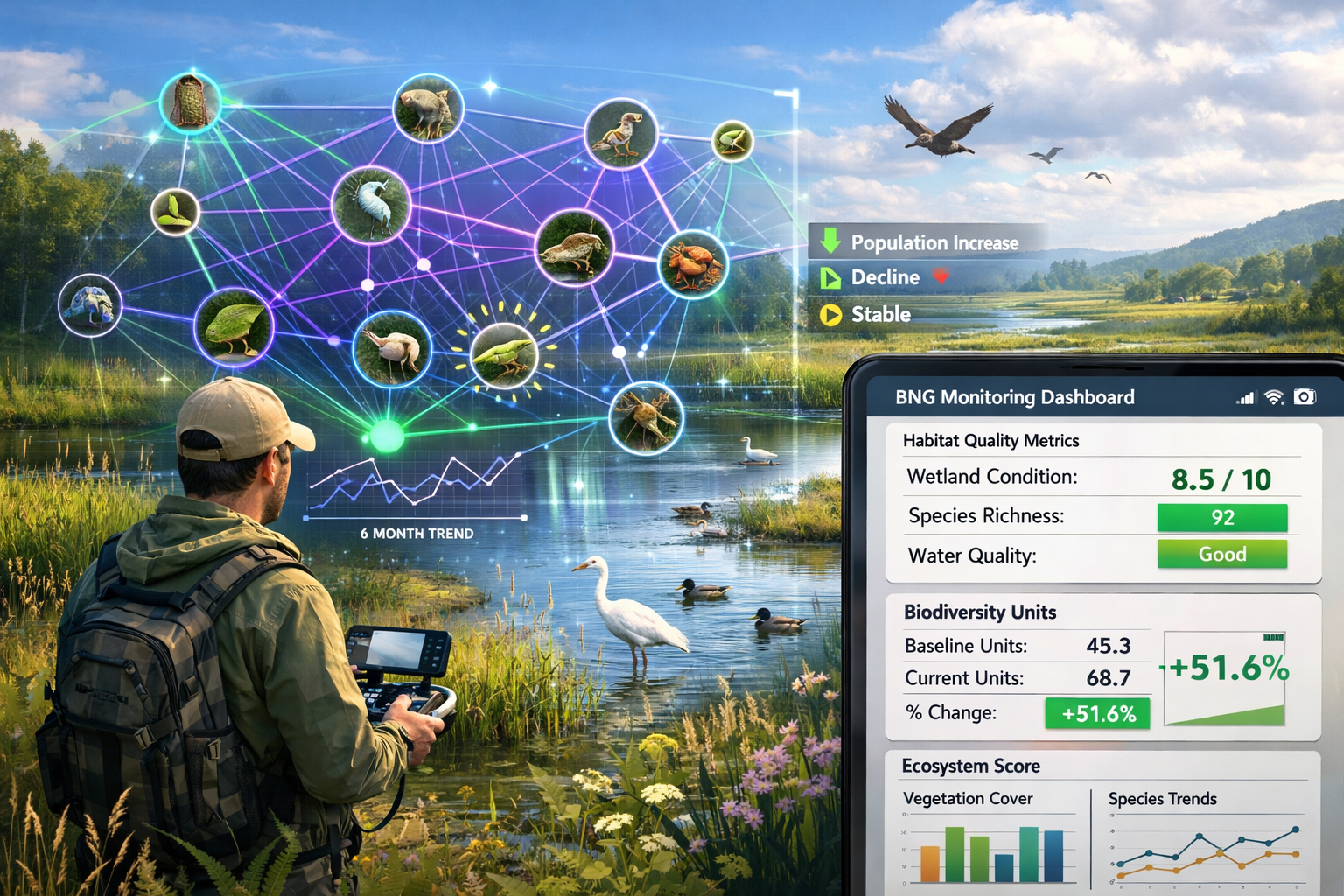
Understanding Ecological Networks in Surveying Context
The Frontiers in Ecosystem Dynamics: Biodiversity Surveyor Guide to 2026 Research Topics from Frontiers in Ecology and Evolution highlights network analysis as a transformative tool for understanding species interactions, community structure, and ecosystem stability[2]. But what does this mean for practical surveying?
Ecological networks map relationships between species—who eats whom, who pollinates whom, who competes with whom. These interaction networks determine ecosystem functioning far more than simple species lists. A habitat might contain 50 plant species, but if key pollinator-plant relationships are missing, the ecosystem lacks functional integrity.
Practical Network Analysis Methods for Surveyors
Implementing network analysis doesn't require advanced mathematics. Practical approaches include:
1. Pollinator-Plant Interaction Networks
- Record plant species flowering phenology
- Survey pollinator visits to each plant species
- Map interaction frequency and specificity
- Identify keystone species and vulnerable relationships
2. Food Web Mapping
- Document predator-prey relationships
- Identify trophic levels and energy flows
- Assess food web complexity and redundancy
- Evaluate ecosystem resilience to species loss
3. Habitat Connectivity Networks
- Map habitat patches across landscapes
- Assess movement corridors for key species
- Quantify connectivity metrics (betweenness, centrality)
- Prioritize corridor enhancement for BNG delivery
4. Mycorrhizal Networks
- Sample soil for mycorrhizal fungi
- Identify plant-fungal associations
- Map underground nutrient exchange networks
- Assess soil ecosystem functionality
These network approaches provide richer information than traditional species inventories, enabling more accurate assessment of ecosystem quality and resilience—critical for biodiversity net gain without risk.
Network Metrics for BNG Monitoring
Several network metrics translate directly into BNG monitoring indicators:
| Network Metric | Ecological Meaning | BNG Application |
|---|---|---|
| Connectance | Proportion of realized interactions | Ecosystem functional integrity |
| Nestedness | Specialist-generalist structure | Resilience to disturbance |
| Modularity | Compartmentalization | Stability and recovery capacity |
| Centrality | Keystone species identification | Priority species for monitoring |
| Robustness | Resistance to species loss | Long-term BNG delivery confidence |
By tracking these metrics over time, surveyors can demonstrate whether created or restored habitats are developing the functional complexity that underpins genuine biodiversity gain—not just species presence, but ecosystem functionality.
Case Study: Network Analysis in Habitat Creation Monitoring
Consider a development project creating 5 hectares of species-rich grassland to deliver biodiversity units. Traditional monitoring tracks plant species establishment and abundance. Network analysis adds:
Year 1: Simple pollinator-plant networks with low connectance (few interactions), dominated by generalist species (high nestedness), indicating early successional state.
Year 5: Increasing network complexity with higher connectance, emerging specialist interactions, and moderate modularity, suggesting functional ecosystem development.
Year 10: Mature network structure with high connectance, balanced generalist-specialist composition, and robust architecture resistant to species loss, confirming successful BNG delivery.
This temporal network analysis provides compelling evidence of ecosystem maturation, addressing client and regulator concerns about long-term habitat quality.
Integrating Network Analysis with Statutory Requirements
Network analysis complements rather than replaces statutory BNG requirements. The Biodiversity Metric 4.0 assesses habitat distinctiveness, condition, and strategic significance. Network analysis enhances condition assessment by providing objective measures of ecosystem functionality.
For example, "good" condition grassland in the metric requires diverse plant communities and structural complexity. Network analysis quantifies whether these communities support functional pollinator networks, adding rigor to condition assessments and justifying higher biodiversity unit values.
This approach is particularly valuable when working with planners who need confidence that BNG proposals deliver genuine ecological value, not just metric compliance.
Molecular and Genetic Tools: The Future of Habitat Assessment
DNA Metabarcoding for Rapid Biodiversity Assessment
Research on molecular and genetic insights into crop and tree species stress resilience represents an actively open research topic[5], with methodologies increasingly accessible to ecological consultancies. DNA metabarcoding—identifying species from environmental DNA samples—offers revolutionary surveying capabilities.
Traditional invertebrate surveys require taxonomic expertise and extensive field time. DNA metabarcoding of soil, water, or vegetation samples can identify hundreds of species simultaneously, including:
- Soil invertebrates (nematodes, microarthropods, earthworms)
- Aquatic organisms (macroinvertebrates, fish, amphibians)
- Fungi and bacteria (decomposers, pathogens, symbionts)
- Cryptic species (difficult to identify morphologically)
For biodiversity credit developers, metabarcoding enables comprehensive baseline assessments that capture biodiversity dimensions invisible to traditional surveys, strengthening the evidence base for habitat quality claims.
eDNA Monitoring for Long-Term BNG Delivery
Environmental DNA (eDNA) monitoring provides cost-effective long-term surveillance of created or restored habitats. By collecting periodic water or soil samples and analyzing species presence through DNA, surveyors can:
- Track colonization of created habitats by target species
- Detect invasive species early in establishment
- Monitor rare or elusive species without disturbance
- Assess seasonal dynamics through temporal sampling
This approach is particularly valuable for aquatic habitats and small development projects where traditional survey costs are prohibitive.
Genetic Diversity Assessment: Beyond Species Presence
Frontier research emphasizes genetic diversity within species as critical for population resilience and adaptation capacity. For surveyors, this means considering not just whether a species is present, but whether populations are genetically diverse enough to persist long-term.
Practical applications include:
- Source population selection for habitat restoration (choosing genetically diverse seed sources)
- Population connectivity assessment (evaluating gene flow between habitat patches)
- Local adaptation evaluation (matching plant ecotypes to site conditions)
- Inbreeding risk assessment (identifying isolated populations requiring connectivity enhancement)
While genetic analysis adds cost, it provides confidence in long-term BNG delivery—particularly important for high-value developments where BNG failure would be costly.
Ecosystem Restoration Research: Grand Challenges and Practical Solutions
Spatial Planning Principles for Restoration Success
Research on ecosystem restoration encompasses grand challenges including spatial planning principles for marine restoration and integration of molecular plant taxonomy[8]. These principles apply equally to terrestrial restoration in development contexts.
Effective restoration requires strategic spatial planning considering:
Landscape Context
- Proximity to source populations for natural colonization
- Connectivity to existing high-quality habitats
- Position within ecological networks
- Exposure to edge effects and disturbance
Site Characteristics
- Soil conditions and hydrological regime
- Microclimate and exposure
- Legacy effects from previous land use
- Natural regeneration potential
Design Principles
- Habitat patch size and shape optimization
- Internal heterogeneity and structural complexity
- Buffer zones and transition habitats
- Long-term management feasibility
These considerations determine whether on-site or off-site BNG delivery will succeed, informing strategic decisions about biodiversity unit allocation.
Addressing the 30-Year Management Challenge
BNG legislation requires 30-year habitat management and monitoring. Research on ecosystem dynamics provides frameworks for predicting long-term trajectories and identifying intervention points.
Key insights include:
Successional Pathways: Understanding natural succession enables design of self-sustaining habitats requiring minimal intervention.
Alternative Stable States: Some ecosystems can persist in degraded states without active management to shift trajectories.
Threshold Effects: Identifying tipping points where ecosystems shift between states informs adaptive management strategies.
Resilience Engineering: Designing habitats with functional redundancy and response diversity enhances stability under environmental change.
These principles inform realistic management plans that balance ecological ambition with practical feasibility—critical for landowners considering biodiversity unit sales.
Climate Adaptation in Habitat Creation
Research on Arctic ecosystem changes and ecological processes under global change emphasizes climate adaptation as central to restoration success[1][6]. For UK surveyors, this means designing habitats resilient to projected climate scenarios.
Practical strategies include:
- Species selection prioritizing climate-adapted genotypes
- Microclimate engineering creating thermal refugia
- Hydrological resilience designing for altered precipitation patterns
- Functional redundancy including multiple species performing critical roles
- Assisted migration introducing species from warmer regions where appropriate
Climate-adapted habitat creation demonstrates professional foresight and reduces risk of BNG delivery failure due to environmental change—a concern addressed in BNG risk management guidance.
Translating Research into Surveying Standards and Protocols
Developing Evidence-Based Survey Protocols
The Frontiers in Ecosystem Dynamics: Biodiversity Surveyor Guide to 2026 Research Topics from Frontiers in Ecology and Evolution provides an evidence base for updating surveying standards. Professional bodies and consultancies should integrate frontier research into:
Survey Design
- Incorporating network analysis into community assessments
- Adding soil microbiome sampling to habitat quality evaluation
- Using eDNA for comprehensive biodiversity inventories
- Implementing genetic diversity assessment for key species
Data Collection
- Standardizing interaction observation protocols
- Recording phenological data for climate adaptation assessment
- Collecting environmental DNA samples for molecular analysis
- Documenting functional traits alongside taxonomic identity
Data Analysis
- Applying network metrics to assess ecosystem functionality
- Using multivariate statistics to detect community shifts
- Integrating molecular and morphological identification
- Modeling ecosystem trajectories under climate scenarios
Reporting
- Communicating ecosystem functionality alongside species lists
- Presenting network visualizations to non-specialist audiences
- Quantifying uncertainty in long-term predictions
- Linking findings to BNG metric condition criteria
These enhanced protocols elevate surveying practice from species inventory to ecosystem functionality assessment—the true measure of biodiversity value.
Training and Professional Development
Implementing frontier research methods requires investment in professional development. Surveyors should pursue training in:
- Network analysis software (R packages like igraph, bipartite)
- Molecular methods (eDNA sampling, metabarcoding interpretation)
- Statistical modeling (multivariate analysis, time series forecasting)
- Ecosystem service quantification (carbon accounting, natural capital)
- Climate adaptation planning (scenario analysis, vulnerability assessment)
Professional ecology organizations should develop continuing professional development (CPD) programs integrating these skills, ensuring the surveying profession keeps pace with scientific advancement.
Quality Assurance and Peer Review
As surveying methods become more sophisticated, quality assurance becomes critical. Consultancies should implement:
- Internal peer review of network analyses and molecular data interpretation
- External validation of novel methods through academic collaboration
- Method documentation ensuring reproducibility and transparency
- Uncertainty quantification acknowledging limitations in predictions
This rigor builds confidence among clients, regulators, and stakeholders that BNG assessments rest on solid scientific foundations.
Strategic Implications for Developers, Planners, and Landowners
For Developers: Competitive Advantage Through Scientific Excellence
Developers who embrace frontier research methods gain competitive advantages:
Stronger Planning Applications: Comprehensive assessments addressing ecosystem functionality, climate adaptation, and long-term resilience strengthen planning cases.
Risk Reduction: Network analysis and genetic diversity assessment reduce risk of BNG delivery failure, protecting against financial and reputational damage.
Market Differentiation: Demonstrating scientific leadership positions developments as environmentally exemplary, appealing to sustainability-conscious buyers.
Efficient Resource Allocation: Understanding ecosystem dynamics enables targeted investment in high-impact interventions rather than blanket approaches.
Developers should seek consultancies offering advanced assessment methods, recognizing that initial cost premiums deliver value through reduced risk and enhanced outcomes.
For Planners: Evidence-Based Decision Making
Planning authorities evaluating BNG proposals benefit from understanding frontier research:
Assessing Proposal Quality: Network analysis and functional assessments distinguish genuine ecosystem creation from simple species planting.
Evaluating Long-Term Viability: Climate adaptation and resilience assessments indicate whether 30-year management commitments are realistic.
Prioritizing Strategic Sites: Landscape connectivity analysis identifies high-value locations for off-site BNG delivery.
Setting Conditions: Understanding ecosystem dynamics informs appropriate monitoring and adaptive management conditions.
Planners should expect applicants to demonstrate ecosystem functionality, not merely species presence, when claiming biodiversity net gain.
For Landowners: Maximizing Biodiversity Unit Value
Landowners creating or restoring habitats for biodiversity unit sales can maximize value through:
Baseline Enhancement: Comprehensive baseline assessments including soil microbiome and genetic diversity establish higher starting values.
Design Optimization: Network analysis and spatial planning principles ensure created habitats achieve "good" or "moderate" condition rapidly.
Monitoring Efficiency: eDNA and molecular methods reduce long-term monitoring costs while providing comprehensive data.
Risk Management: Climate adaptation and resilience engineering reduce risk of habitat failure and unit value loss.
Landowners should engage consultancies offering advanced assessment methods to maximize return on habitat creation investments.
Conclusion
The Frontiers in Ecosystem Dynamics: Biodiversity Surveyor Guide to 2026 Research Topics from Frontiers in Ecology and Evolution reveals a scientific landscape rich with methodological innovations ready for practical application. Network analysis, molecular diagnostics, soil microbiome assessment, and climate adaptation frameworks are transforming biodiversity surveying from species inventory to comprehensive ecosystem functionality evaluation.
For biodiversity surveyors, the message is clear: professional practice must evolve alongside scientific understanding. Traditional survey methods remain foundational, but frontier research offers tools to assess what truly matters—ecosystem functionality, resilience, and long-term viability. These capabilities are essential for delivering genuine biodiversity net gain that persists for decades, not just achieving metric compliance on paper.
Actionable Next Steps
For Surveyors:
- Pursue CPD training in network analysis and molecular methods
- Pilot advanced assessment techniques on upcoming projects
- Collaborate with academic researchers to validate novel approaches
- Document case studies demonstrating enhanced assessment value
For Developers:
5. Engage consultancies offering comprehensive ecosystem functionality assessment
6. Request network analysis and resilience evaluation in BNG proposals
7. Invest in baseline enhancements using soil microbiome and genetic diversity analysis
8. Develop climate-adapted habitat designs informed by frontier research
For Planners:
9. Update BNG evaluation criteria to include ecosystem functionality metrics
10. Request evidence of climate adaptation in long-term management plans
11. Prioritize proposals demonstrating scientific rigor and innovation
12. Support pilot projects testing advanced monitoring methods
For Landowners:
13. Commission comprehensive baseline assessments before habitat creation
14. Implement spatial planning principles to optimize biodiversity unit values
15. Adopt eDNA monitoring for cost-effective long-term surveillance
16. Design habitats for climate resilience to protect investment value
The integration of frontier research into biodiversity surveying practice represents not just scientific progress, but a fundamental shift toward genuine ecological restoration. By embracing these methodologies, the surveying profession can ensure that biodiversity net gain delivers lasting ecological value—transforming development from a threat to nature into a catalyst for ecosystem recovery.
The research is available. The methods are proven. The time for implementation is now. The future of biodiversity surveying lies in the frontiers of ecosystem dynamics, and practitioners who embrace this evolution will lead the profession into a new era of scientific rigor and ecological impact.
References
[1] Oral And Poster Sessions Wbf2026 – https://worldbiodiversityforum.org/oral-and-poster-sessions-wbf2026/
[2] Population Community And Ecosystem Dynamics – https://www.frontiersin.org/journals/ecology-and-evolution/sections/population-community-and-ecosystem-dynamics
[4] Articles – https://www.frontiersin.org/journals/ecology-and-evolution/sections/population-community-and-ecosystem-dynamics/articles
[5] Research Topics – https://www.frontiersin.org/journals/ecology-and-evolution/research-topics
[7] Research Topics – https://www.frontiersin.org/journals/ecology-and-evolution/sections/population-community-and-ecosystem-dynamics/research-topics
[8] Ecosystem Restoration – https://www.frontiersin.org/subjects/ecosystem-restoration