

Trophic Cascade Restoration Metrics: Surveyor Guides to Quantifying Predator Reintroductions in 2026 BNG Sites
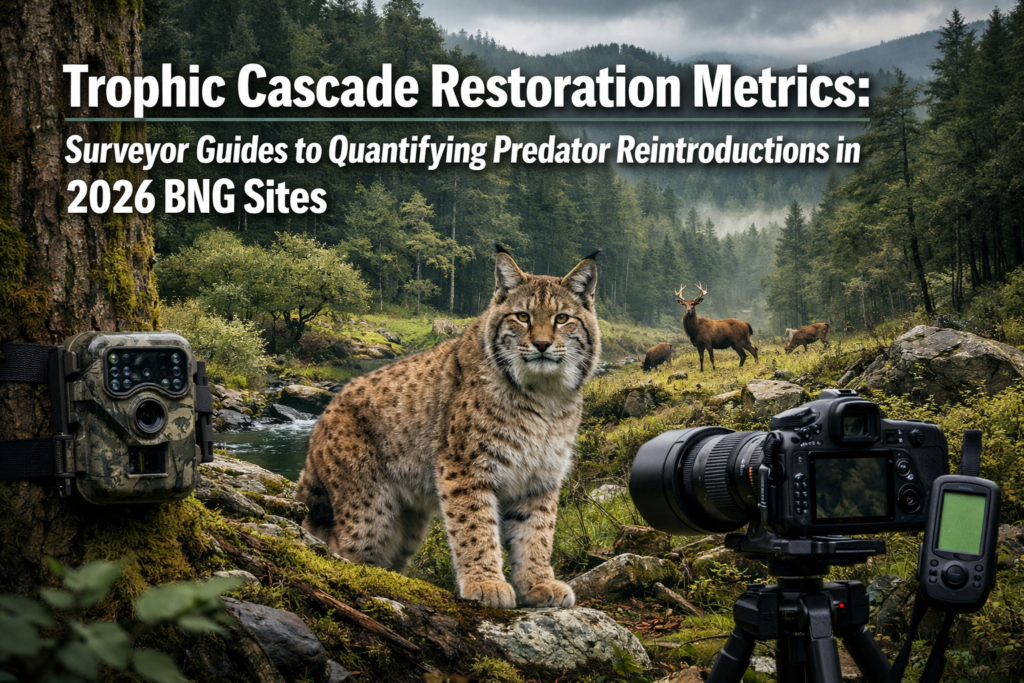
Recent data reveals that 85% of UK ecosystems suffer from disrupted food webs due to historical apex predator losses—a statistic that underscores why Trophic Cascade Restoration Metrics: Surveyor Guides to Quantifying Predator Reintroductions in 2026 BNG Sites has become essential reading for biodiversity professionals. As Biodiversity Net Gain (BNG) legislation drives unprecedented habitat restoration across […]
Phenological Shifts in Pollinator Surveys: Adapting 2026 Protocols for Climate-Altered Flowering Windows
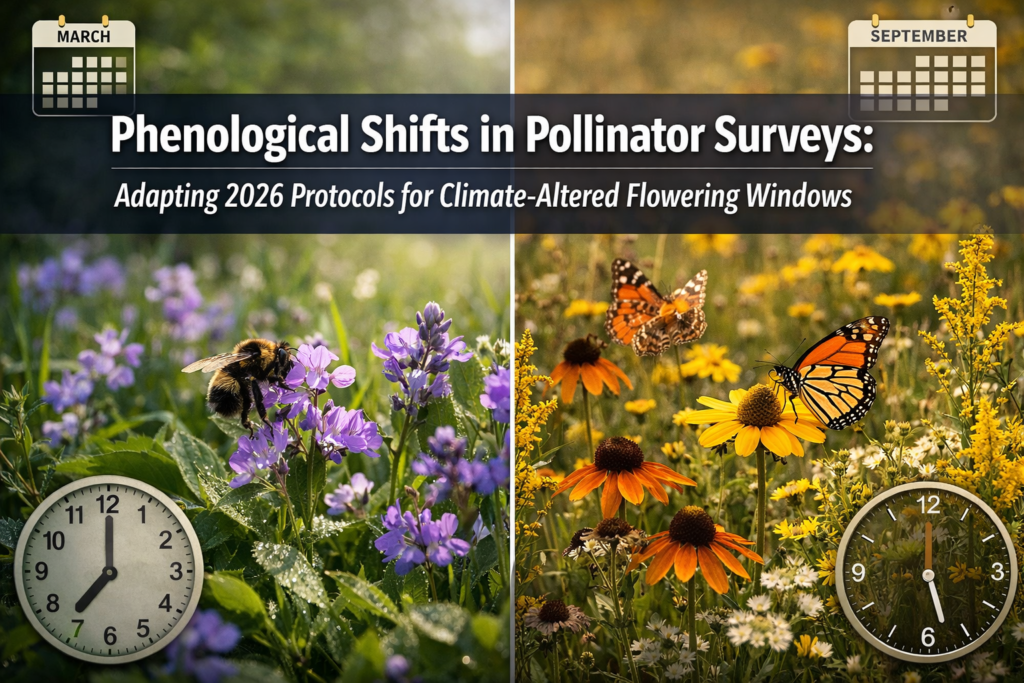
Tropical flowering plants are now blooming an average of 2.04 days later per decade—a shift documented across 230 years of herbarium specimens that reveals how climate change is quietly rewriting the seasonal calendars that govern plant-pollinator relationships [2]. This temporal disruption presents a critical challenge for biodiversity surveyors, ecologists, and land managers conducting pollinator assessments […]
Edge Effect Mitigation in Fragmented Habitats: Advanced Survey Designs for 2026 Biodiversity Net Gain
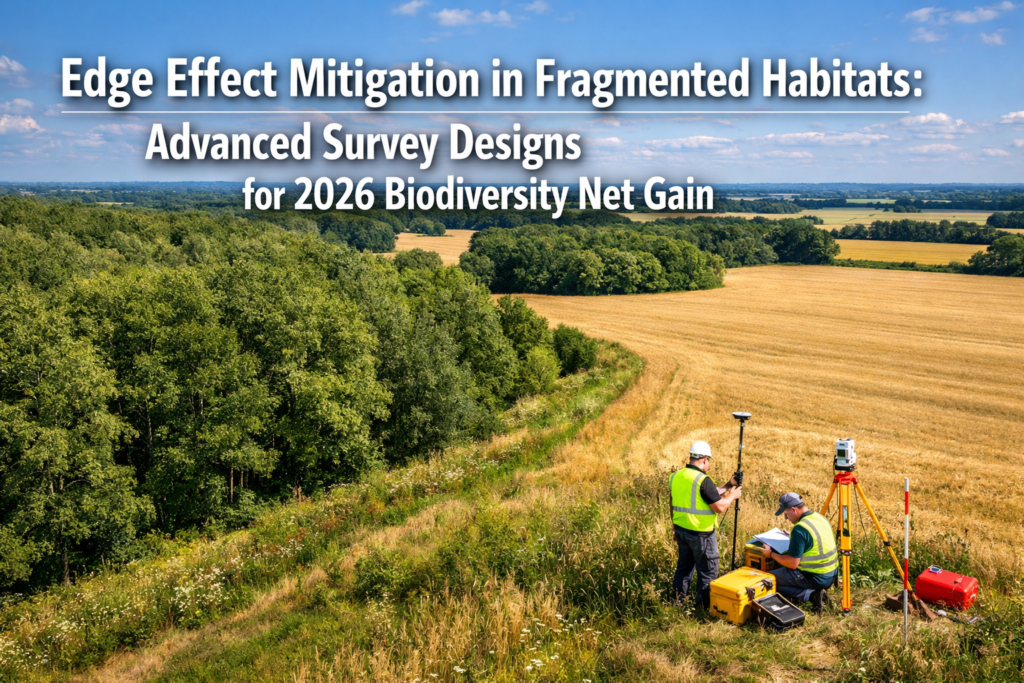
Research reveals that edge effects penetrate up to one kilometer into forest fragments, with approximately 90% of beetle species responding significantly to habitat boundaries[1]. As development pressure intensifies across the UK, understanding and mitigating these edge effects has become critical for achieving meaningful biodiversity net gain outcomes. The challenge for ecology surveyors in 2026 lies […]
Holobiont Surveys in BNG Projects: Protocols for Assessing Host-Microbe Symbioses in Restored Ecosystems
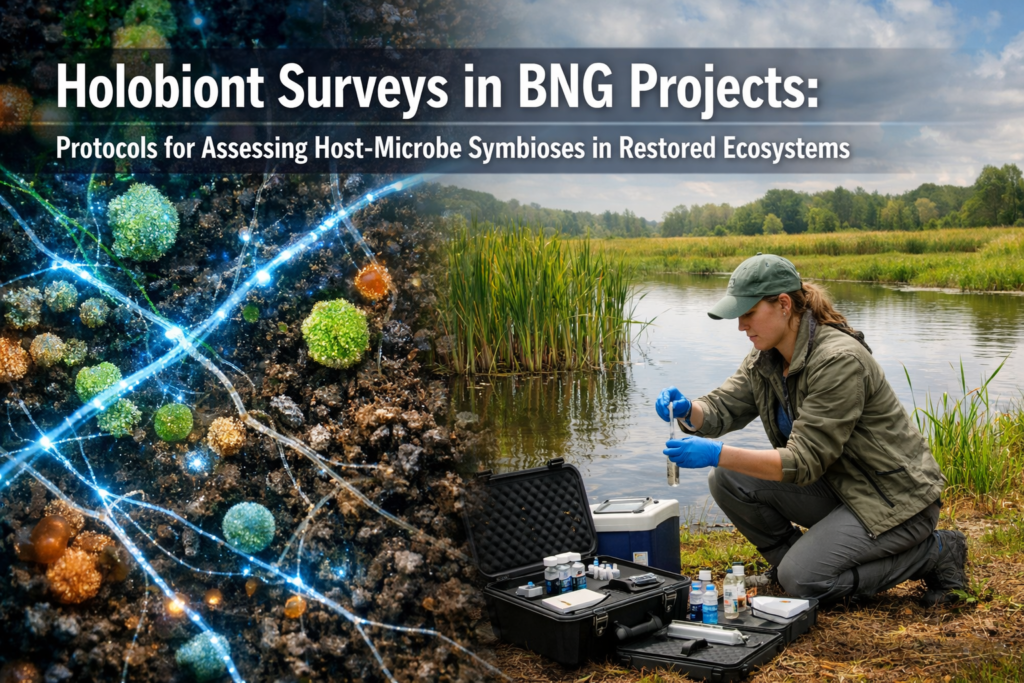
Biodiversity Net Gain (BNG) assessments in 2026 measure visible species—birds, plants, insects—but overlook the invisible architects of ecosystem health: microbial communities. Recent research demonstrates that holobiont approaches, which examine organisms alongside their symbiotic microbiomes, provide "holistic insight into the range of ecological interactions between microbes and other organisms" and can transform environmental management and conservation […]
Satellite Lidar for Canopy Biodiversity Mapping: Validation Protocols for 2026 Net Gain Assessments
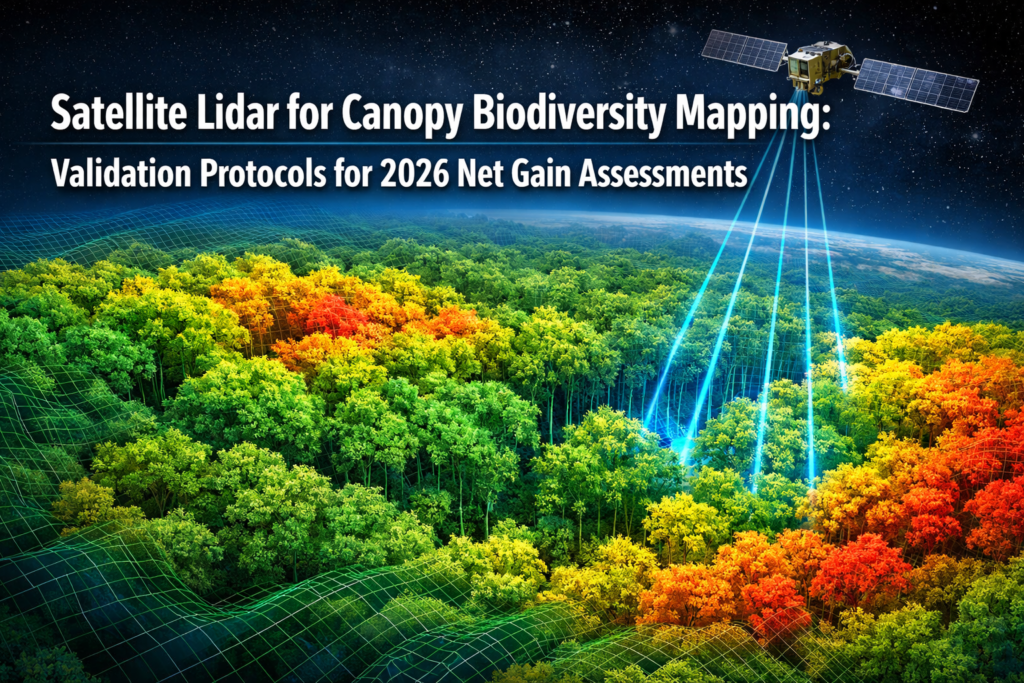
Recent advances in satellite-based lidar technology have achieved canopy height mapping accuracy within 4.54 meters mean absolute error across African dense forests, marking a breakthrough moment for biodiversity assessments at unprecedented scales.[1] This level of precision transforms how environmental professionals approach Biodiversity Net Gain (BNG) requirements in 2026, particularly as deforestation pressures intensify and regulatory […]